AI Data Centers Drive up Console Costs

A global shortage of memory chips, driven by AI infrastructure, is raising hardware prices and squeezing profit margins for major gaming publishers.
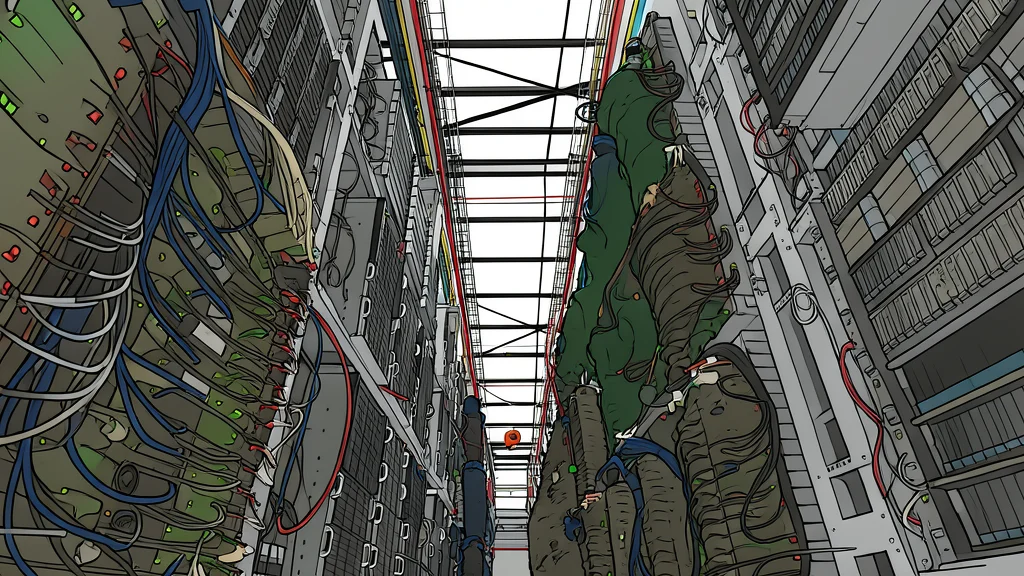
The rapid expansion of artificial intelligence data centers is creating an unexpected bottleneck for the video game industry. As tech firms rush to build out server capacity, they are absorbing a significant portion of the global supply of random access memory, a critical component for modern gaming consoles. This shift is not merely a supply chain hiccup; it is fundamentally altering the economics of hardware production for major players like Sony and Microsoft.
According to industry analysts, the cost of producing a standard console has risen sharply, with estimates suggesting an increase from roughly 500 to 800 US dollars per unit. This inflation in manufacturing costs limits the ability of companies to lower retail prices or invest heavily in user acquisition. The result is a market where the barrier to entry for new console gamers is higher than it has been in years, complicating the launch strategies for highly anticipated titles.
Memory Shortages Hit Hardware Margins
The core issue lies in the shared demand for high-speed memory modules. Data centers require vast amounts of RAM to process AI models, and manufacturers are prioritizing these high-volume, high-margin contracts over consumer electronics. Neil Barbour, an analyst at S&P Global Market Intelligence, notes that this competition is monopolizing components that would otherwise be allocated to PlayStation 5 and Xbox units. For publishers, this means the sticker shock for consumers is rising just as they hope to drive sales through new content.
This dynamic creates a difficult trade-off for hardware makers. They must either absorb the higher component costs, which erodes their operating profits, or pass those costs on to consumers, which risks reducing the total number of units sold. In a market where hardware sales often subsidize software margins, a drop in unit volume can have cascading effects on the entire ecosystem, including the revenue potential for third-party game developers.
GTA VI Launch Faces Economic Headwinds
The timing of this cost crisis is particularly problematic as the industry approaches the release of Grand Theft Auto VI, one of the most anticipated games in history. Historically, major exclusives drive a surge in console sales as players upgrade their hardware to run the latest titles. However, analysts warn that the increased cost of the hardware itself may dampen this effect. If the price to enter the console ecosystem is too high, some potential buyers may hesitate, reducing the immediate hardware sales spike that publishers typically rely on.
Consequently, companies may need to shift their focus from acquiring new users to monetizing existing ones. This could lead to a greater emphasis on in-game purchases, season passes, and other recurring revenue streams rather than relying solely on the initial hardware and software sale. While this model can be profitable, it requires a large, active user base to sustain, making the initial hardware adoption rate a critical metric for long-term success.
Industry Growth Relies on Alternative Platforms
Despite these challenges, the gaming sector has recorded eight consecutive quarters of year-over-year growth, according to data cited by GN auto tech/gaming. This resilience suggests that consumers are still spending heavily on games, even if the hardware landscape is becoming more expensive. Nintendo, for instance, reported a significant jump in operating profit, driven by strong sales of titles like Tomodachi Life, which shipped seven million copies. This indicates that strong content can still drive results, even in a constrained hardware market.
Furthermore, the industry is increasingly diversifying its revenue streams. PC gaming is experiencing a resurgence, with major Chinese developers like Tencent and NetEase expanding their catalogs to include high-end PC titles. This shift allows developers to reach audiences who may not purchase consoles, bypassing the hardware cost issue entirely. As the Chinese gaming market surpasses the 50 billion US dollar mark, the global industry is moving toward a more fragmented model where PC and mobile platforms play a larger role in sustaining overall growth.