Smart Thermostat Wiring Error Causes Heating and Cooling Conflict
A homeowner's attempt to upgrade to a smart thermostat resulted in a system that fought against itself, driven by a subtle wiring mistake.
A homeowner expecting improved energy efficiency and comfort after installing an ecobee Premium thermostat instead found their system struggling to reach target temperatures. Despite the device indicating that cooling was active, the air remained warm, leading to a frustrating experience that highlighted the hidden risks of DIY smart home upgrades.
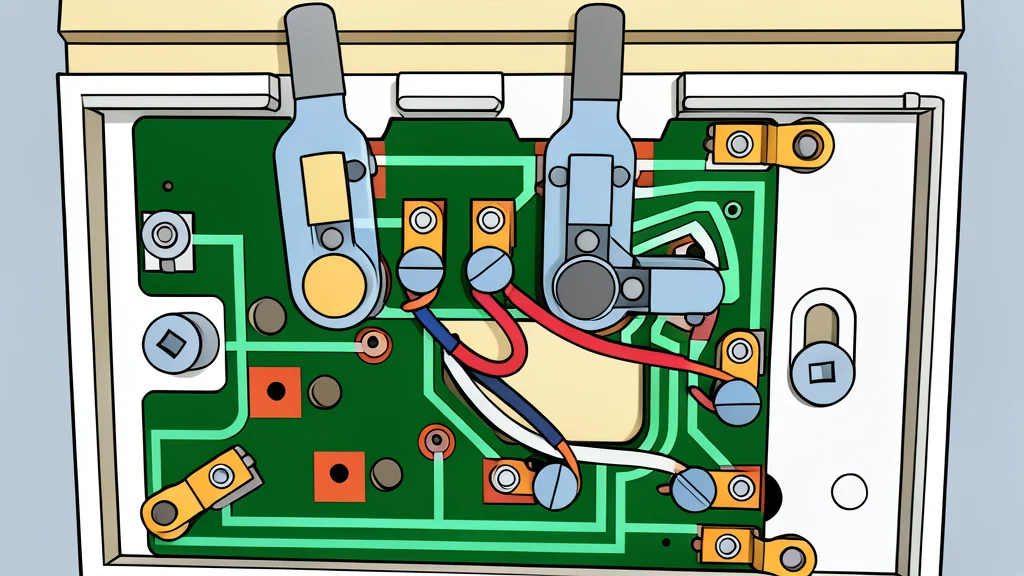
The issue was traced to a specific wiring configuration where the red and white wires were too close together. This proximity created an unintended electrical path that triggered the heating system, causing the furnace and air conditioner to operate simultaneously. This conflict not only prevented the home from cooling down but also increased energy consumption significantly.
Accidental shorts trigger unwanted heat
Online troubleshooting sessions revealed that the exposed copper at the terminals allowed the red power wire to touch the white heat control wire. As noted in the discussion reported by GN technics/smarthome, this contact effectively short-circuited the system into calling for heat regardless of the thermostat's setting. The homeowner confirmed that separating the wires immediately resolved the issue, allowing the cooling system to function as intended.
The trade-off for installing such devices is the requirement for precise electrical knowledge. A small physical error in wire placement can override digital controls, leading to equipment that works against itself. This results in higher utility bills and reduced comfort, demonstrating that smart hardware is only as effective as its physical installation.
Proper installation prevents energy waste
Experts emphasize that smart thermostats rely on correct wiring to manage energy usage effectively. Leaving minimal exposed copper and ensuring wires do not touch are critical steps to prevent accidental shorts. Homeowners are advised to verify that each lead is securely placed in the correct terminal to avoid conflicting signals between heating and cooling units.
Additionally, turning off the appropriate circuit breakers before working on the wiring is a essential safety measure. Relying solely on the thermostat's display is insufficient; users should test the actual air output at the vents to confirm the system is operating correctly. This practical check ensures that the equipment is responding to the intended commands rather than electrical faults.
Verification is key to system health
The incident underscores that digital interfaces can mask physical problems. A display showing 'cooling' does not guarantee that the air conditioning unit is actually running or that the heating system is off. By taking the time to verify physical outputs and inspect wiring connections, homeowners can avoid the inefficiencies of conflicting mechanical operations.
Correcting these wiring errors stops unnecessary system runtime, saving money and preserving equipment longevity. The experience serves as a reminder that while smart home technology offers convenience, it requires a solid understanding of basic electrical principles to function safely and effectively.