AI Tools Transform Game Asset Creation at Tokyo Show
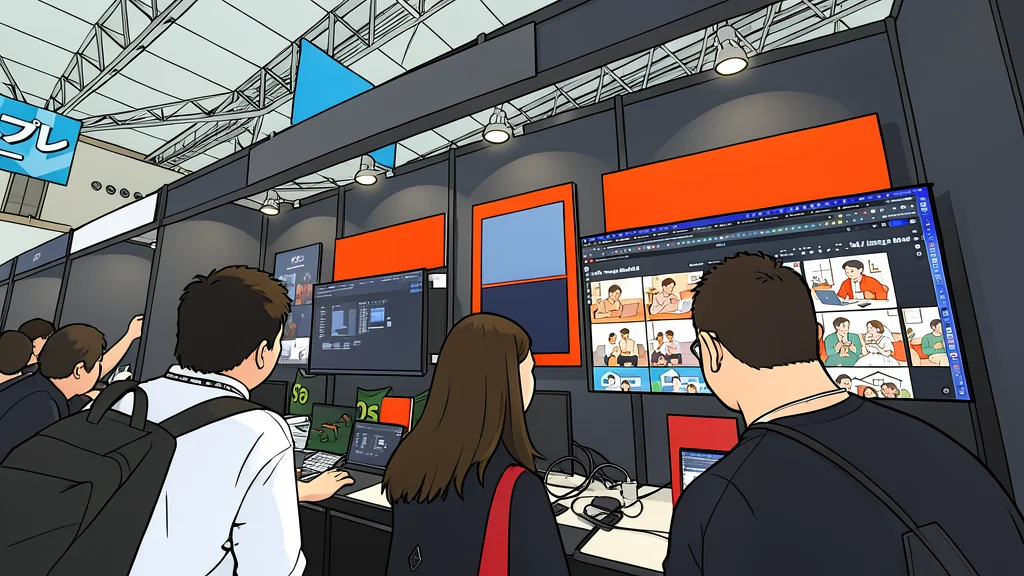
At the recent Tokyo Game Show, a shift in booth space signaled a new priority. AI companies displaced indie developers in the main hall, highlighting a major pivot toward automated 3D asset generation and data analytics.
The Tokyo Game Show 2026 opened with a noticeable change in its business sector layout. The space previously occupied by independent game developers has been largely taken over by artificial intelligence firms. This shift indicates that the event is expanding its focus beyond traditional gaming to include broader technology solutions. According to reporting from GN auto tech/gaming, the AI Technology Pavilion became the most crowded area of the exhibition, drawing significant attention from industry professionals.
The primary driver of this interest is the efficiency gained in 3D modeling. Companies are moving away from manual creation toward AI-assisted workflows. This transition promises to reduce development time significantly, though it raises questions about the role of human creativity in the final product. The industry is rapidly adopting these tools to meet tight deadlines and reduce production costs.
Accelerating 3D Model Generation
Meshy.AI emerged as a key player by showcasing its ability to generate high-quality 3D assets from text or 2D images. The platform claims to produce 70 to 80 percent of a model in minutes, a task that traditionally takes weeks. Users then refine the output using standard design tools. This approach is already being used by major studios in South Korea, the United States, and China, as well as research institutions like MIT and Harvard.
The adoption of such tools is not without trade-offs. While speed increases, the initial output requires human intervention to reach a professional standard. Additionally, the ease with which 3D assets can be generated makes it harder for players to distinguish between AI-created and hand-crafted content. This invisibility is driving its popularity in the Japanese subculture gaming market, where resistance to obvious AI artifacts was previously high.
Analyzing Player Behavior Data
Beyond creation, AI is being applied to understanding player retention. ThinkingAI, a Singapore-based company, demonstrated tools that analyze behavioral data to identify why players leave a game. Their systems help developers pinpoint specific issues in gameplay loops that lead to churn. With over 1,800 clients globally, the platform is now attracting interest from financial institutions that require secure, private data storage solutions.
Expanding Beyond Gaming Boundaries
The integration of AI into the Tokyo Game Show reflects a broader industry trend. Technology is no longer just a component of games but a central business pillar. As companies establish dedicated departments to evaluate AI tools, the line between gaming development and general tech innovation continues to blur. This evolution suggests that future gaming events will prioritize data and automation alongside creative content.