Desktop GPU Sales Hit Four-Year High Despite Rising Prices
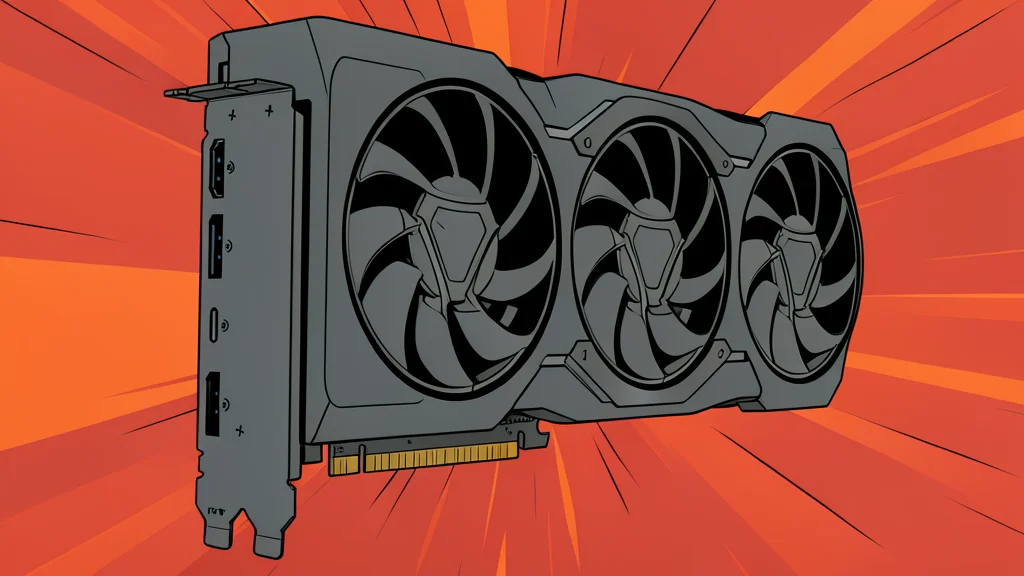
Gamers are buying graphics cards in record numbers, seemingly to beat anticipated price hikes driven by geopolitical instability.
Desktop graphics card shipments have reached their highest level in four years, defying the usual economic trend where rising prices suppress demand. According to data from Jon Peddie Research, the industry shipped 12.5 million standalone graphics cards in the second quarter of 2026. This figure represents a 5.9% increase from the previous quarter and a 7.8% year-over-year growth, marking the strongest sales period since early 2022.
The surge in sales is notable because it occurred alongside a significant increase in unit prices and a decline in overall desktop CPU shipments. Analysts suggest that consumers are rushing to purchase hardware before prices climb further, creating a paradoxical spike in high-end sales. This behavior indicates that the gaming market remains resilient and highly responsive to future price forecasts rather than current costs.
Geopolitical factors drive urgent purchasing
Jon Peddie, president of Jon Peddie Research, attributes the unexpected spike in high-end sales to consumer anxiety over rising costs. He notes that the ongoing conflict in Iran is driving up prices across all market segments, prompting buyers to act immediately. This rush to secure hardware before further inflation hits is a key factor behind the quarter's strong performance, as shoppers prioritize availability and price stability over other considerations.
The data reveals an unusually high attach rate of 89%, meaning that nearly nine out of every ten desktop PCs sold included a discrete graphics card. Since only about 14 million desktop PCs were sold in total, the majority of these 12.5 million graphics cards were bought by individual gamers in retail stores rather than by PC manufacturers. This shift highlights a direct-to-consumer trend that is less common in previous quarters.
Nvidia dominates with ninety percent share
Nvidia maintained its position as the undisputed leader in the desktop graphics market, capturing approximately 90% of the total shipments. The company shipped around 11.25 million discrete GPUs for desktops in the second quarter, its highest single-quarter volume since 2017. This dominance allows Nvidia to set the pace for the industry, with its pricing strategies directly influencing the behavior of competitors and consumers alike.
AMD held a much smaller share of the market, accounting for roughly 8% of shipments with about one million units. Intel’s presence remains minimal, with its market share rising slightly to 2%. While AMD’s sales have hovered around the one-million-unit mark for nearly four years, its performance in this quarter was slightly better than the same period last year. However, the gap between Nvidia and its competitors remains vast, limiting the competitive pressure on pricing.
Market resilience amid economic headwinds
The first half of 2026 has already seen 24.3 million desktop graphics cards shipped, a significant increase from the 20.8 million units sold in the same period of 2025. This growth occurs despite a broader slowdown in the desktop PC market, where CPU shipments have declined. The resilience of the graphics card segment suggests that it operates under different economic pressures than the rest of the PC industry, driven largely by enthusiast demand and speculative buying.
As reported by GN technics/hardware (en-US), this trend underscores a complex market dynamic where supply chain issues and geopolitical risks are reshaping consumer behavior. While the immediate benefit is strong sales for manufacturers, the long-term implication is a potential oversaturation or a sudden drop in demand if prices stabilize. For now, the market is driven by fear of missing out on more affordable pricing, a sentiment that may continue to influence purchases in the coming quarters.