Former Dragon Age Director Admits the Fade in Origins Was Filler
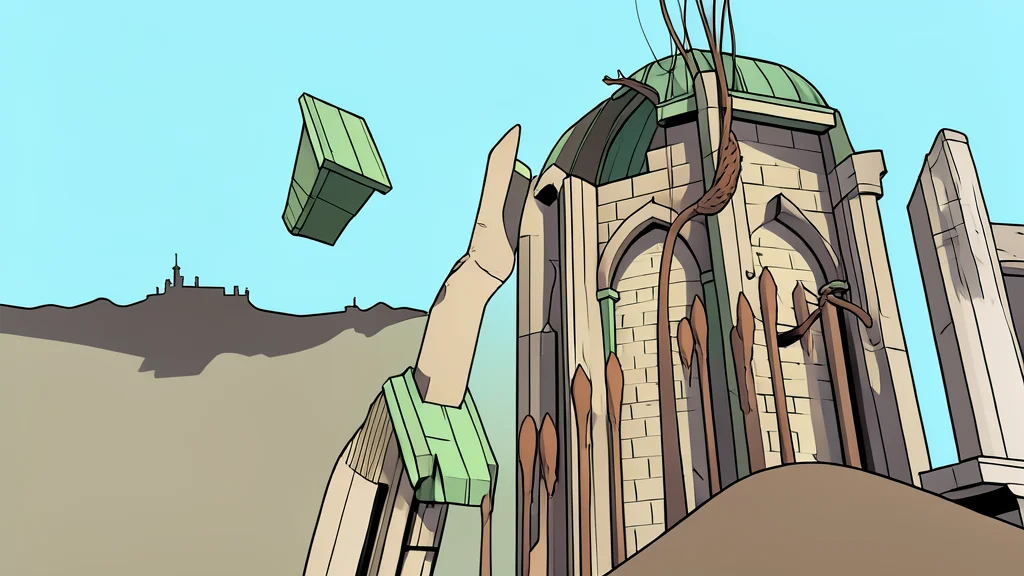
Mark Darrah, a former BioWare lead, argues that the dreamworld sequence in the first game should be removed to improve pacing.
Key points
- Mark Darrah, a former BioWare director, stated that the Fade sequence in Dragon Age: Origins is filler and should be cut.
- He criticized the Dragon Age II ending for ignoring player choices and suggested a fix to respect the chosen faction.
- Darrah recommended lowering power thresholds in Dragon Age: Inquisition to improve pacing and allow earlier access to story missions.
Mark Darrah, a former producer and director at BioWare, has publicly agreed with a long-standing critique among Dragon Age fans. In a recent video posted to his TikTok channel, he identified the Fade, a prominent dreamworld sequence in Dragon Age: Origins, as unnecessary content that detracts from the overall experience.
Darrah stated that he would either cut this section entirely or significantly reduce its length. He described the gameplay as filler, noting that it disrupts the flow of the adventure by isolating the player from their party and forcing them through a difficult, linear gauntlet that offers little narrative payoff.
The Fade creates a divisive gameplay loop
The Fade is a specific quest segment where the protagonist and their companions are captured by a demon and cast into a dream realm. Players are separated from their team and must solve puzzles alone to unlock doors using shapeshifting abilities. According to reports from kotaku.com, the sequence is notoriously difficult and time-consuming, with no option to exit once entered.
This section has become one of the most debated elements in the franchise's history. While some players appreciate the challenge, many others view it as a punitive design choice that breaks immersion. Darrah's critique aligns with the sentiment that such isolated, high-difficulty segments often feel disconnected from the rest of the game's narrative and mechanics.
Proposed changes address narrative inconsistencies
Beyond the Fade, Darrah outlined other adjustments he would make across the series. For Dragon Age II, he criticized the ending for failing to respect player agency. He noted that regardless of which faction the player supports, the outcome remains flawed, specifically because the mage leader succumbs to the very blood magic the game warns against.
He suggested a simple fix: if the player sides with the mages, the final conflict with the mage leader should not occur. This change would ensure that the story respects the player's choice rather than forcing a predetermined, contradictory conclusion that undermines the thematic weight of the decision.
Pacing issues in later entries
Darrah also addressed pacing problems in Dragon Age: Inquisition. He pointed to the game's power mechanic, which restricts access to main story missions until the player reaches a specific power threshold. He argued that this restriction exists for poor design reasons and hinders the narrative flow.
He proposed lowering these power requirements to allow players to engage with the story sooner. By removing artificial barriers to progression, the game would feel more responsive and less like a grind, addressing a common complaint about the slow start to the main plot in the fourth installment.