Open-Source Projects Revive Seven Abandoned Smart Home Gadgets
Community developers use code to fix broken smart devices, turning old thermostats and vacuums into local tools.
Key points
- Open-source firmware revives Nest thermostats and Neato vacuums after manufacturer support ended.
- The ratgdo project bypasses MyQ to control Chamberlain garage doors locally.
- Meta Portal displays can be repurposed as dashboards after a 2026 firmware update.
Open-source developers have found ways to rescue seven types of abandoned smart home devices. These projects restore basic functions for users whose manufacturers stopped support. The solutions rely on local control rather than cloud services.
Many smart gadgets depend on internet connections that can vanish. When companies shut down their servers, hardware often becomes useless. This community effort prevents that waste by creating alternative software.
Thermostats and vacuums regain local control
Google ended support for first and second-generation Nest thermostats in 2025. This removed remote features and cloud connectivity. A project called No Longer Evil offers open-source firmware to fix this.
Users can flash this new code onto their devices. It allows self-hosted control through systems like Home Assistant. Features such as remote temperature settings return without needing Google.
Neato robot vacuums also lost their cloud services. The OpenNeato project uses a small computer chip called an ESP32. It connects to the vacuum's debug port to provide a local web interface.
Sensors and garage doors stay connected
SmartDry sensors for dryers became obsolete when the company closed. Developers reverse-engineered the Bluetooth data these units broadcast. This allows them to work with smart home systems like Home Assistant.
Chamberlain garage openers lost third-party access in 2023. The ratgdo project creates a small control board for these units. It connects directly to the opener's terminals for remote control.
Old displays become smart home dashboards
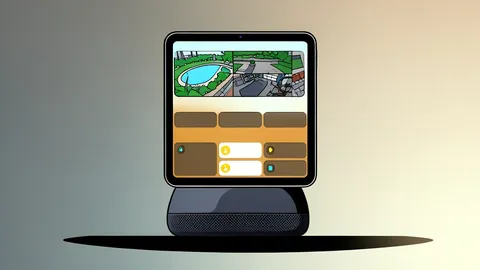
Meta discontinued its Portal smart displays after winding down related services. In 2026, a firmware update allowed access via Android Debug Bridge. This enables developers to create new software for the devices.
According to howtogeek.com, these projects turn expensive paperweights into useful tools. The main trade-off is that users must install the software themselves. This requires some technical knowledge and local network setup.