N Plus Infinity Times Two Turns Local Multiplayer into Physical Comedy
A new indie title brings back the chaotic joy of Flash-era platformers, focusing on physics-based movement and high-stakes local competition.
N Plus Infinity Times Two is a frantic, physics-based platformer that evokes the spirit of early internet browser games. It is designed primarily for local multiplayer, where up to five players compete in tight, time-sensitive races. The core appeal lies in the tactile feel of the movement, which requires players to manage momentum carefully rather than relying on precise button timing.
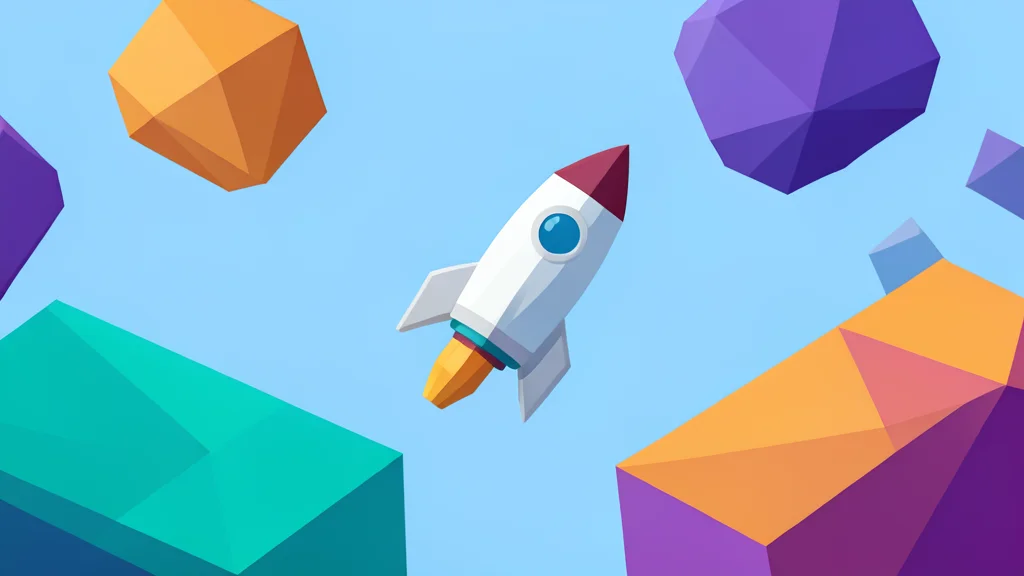
While a single-player mode exists with time trials, the game truly shines in its competitive formats. Players navigate levels filled with traps and coins, with the goal of reaching the finish line before opponents. The first player to finish transforms into a rocket, creating a high-pressure scenario where the remaining players must race against a ticking clock while avoiding destruction.
Physics drive the competitive tension
The movement system relies on momentum rather than rigid grid-based controls. This means that speed is a double-edged sword; accelerating too quickly can make it difficult to stop or turn, leading to accidental deaths. This mechanic forces players to make constant micro-decisions, balancing the urge to go fast with the need to remain in control.
According to coverage from GN technics/gaming (en-US), this physicality creates a unique type of chaos. The game does not just punish failure; it encourages a style of play where mistakes are often the result of physics interactions rather than simple reflex errors. This adds a layer of skill expression that is distinct from traditional platformers.
Two distinct modes define the experience
The primary mode, labeled as competitive, is a direct race where players can trigger traps to hinder rivals. The tension escalates significantly when the first player finishes, as they become a mobile hazard. The remaining players must navigate the level quickly, knowing that their score decreases the moment the race ends for the leader.
For those who prefer collaboration over competition, a team-based co-op mode offers an alternative structure. In this format, two teams take turns collecting coins before being chased by the opposing pair. This mode is more balanced and fair, but it lacks the immediate, personal rivalry that defines the competitive experience.
The catch is local-only access
The major trade-off for this high-energy gameplay is the requirement for all players to be in the same physical location. The game is designed for local multiplayer on a single device, meaning it cannot be played online. This limits the potential audience to friends or family members who are physically present, which may restrict its reach compared to online-enabled titles.