RedMagic Astra 2: Liquid Cooling Arrives in Gaming Tablets
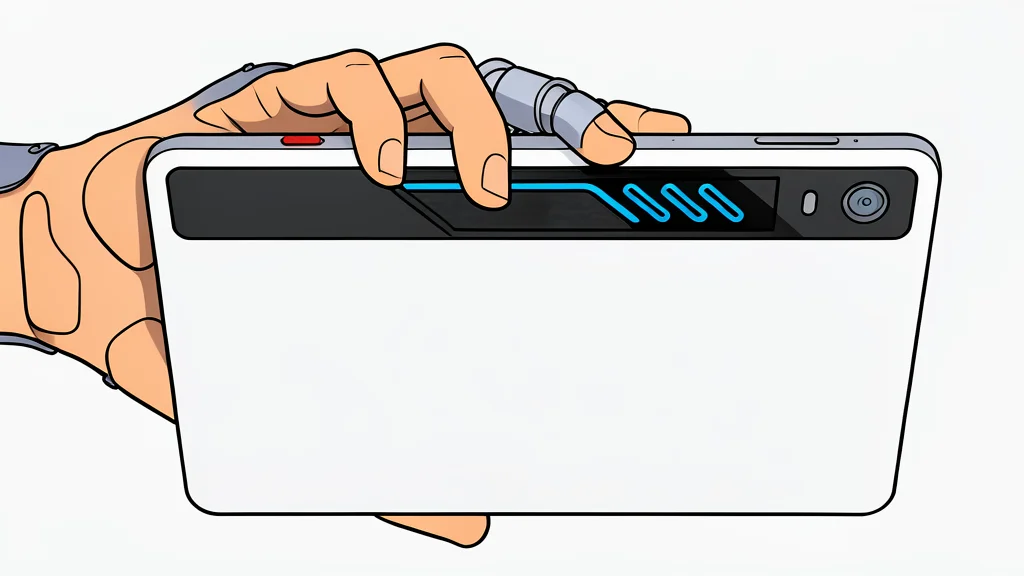
RedMagic has introduced the Astra 2, a tablet featuring internal liquid cooling to manage heat during intense gaming sessions. While the technology offers a potential performance boost, the device carries a premium price tag that rivals dedicated consoles.
Tablets have historically struggled to compete with dedicated gaming hardware due to thermal limitations. As processors work harder, heat buildup often leads to reduced performance and shorter battery life. RedMagic claims its new Astra 2 device solves this issue by integrating a liquid cooling system, a first for the tablet category. The device aims to maintain high speeds during extended use without the typical slowdowns associated with mobile gaming.
The Astra 2 features a 9.06-inch OLED display, 12GB of RAM, and a processor running at 4.6GHz. These specifications position the tablet as a serious contender for mobile gamers who demand high refresh rates and visual fidelity. However, the starting price of $699 places it in the same economic bracket as mid-range laptops and standard home consoles. For many consumers, this price point raises significant questions about value, especially when considering the broader market for portable gaming devices.
Competition from established handhelds
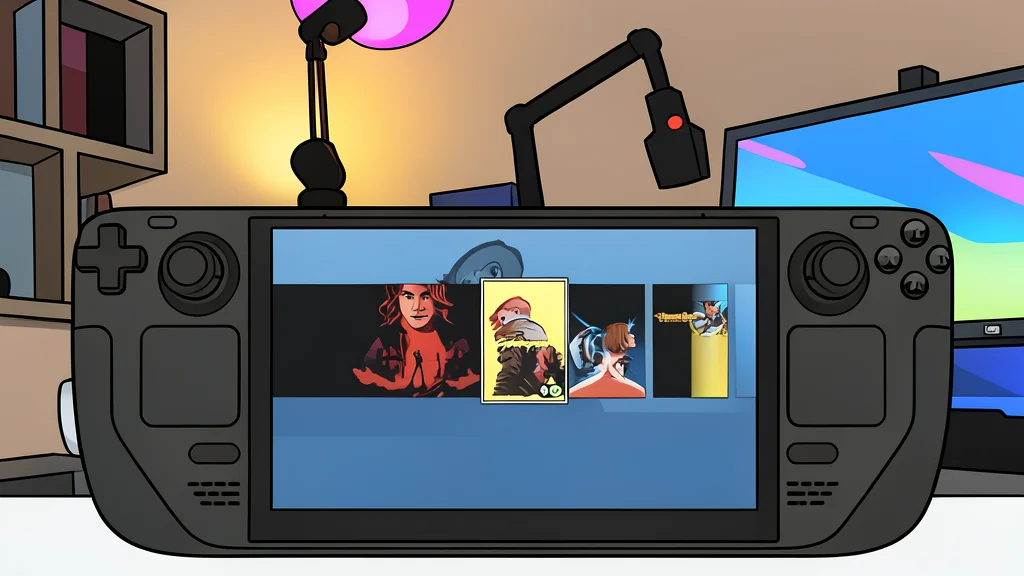
The market for portable gaming is crowded, with established options offering different value propositions. Handheld consoles like the Valve Steam Deck cost less than the Astra 2 and provide access to a massive library of over 30,000 PC titles. In contrast, the RedMagic device runs a customized version of Android, limiting its software compatibility to mobile apps. This creates a distinct trade-off: the tablet offers a larger screen and touch controls, but it lacks the extensive game library available on Windows-based handhelds.
Furthermore, many popular mobile titles are also available on home consoles, where they often run more smoothly due to superior hardware. Players who simply want to play these games on a bigger screen could achieve a similar experience by connecting a standard smartphone or tablet to a TV via a simple USB-C cable. This alternative solution eliminates the need to purchase a specialized, high-priced device entirely.
Maintenance costs and repair risks
Beyond the initial purchase, long-term ownership costs present a notable downside. The Astra 2 comes with a one-year warranty, after which repairs become the owner’s responsibility. Because the device is less common than iPads or standard laptops, finding technicians who understand its specific liquid cooling architecture may be difficult. Reports indicate that replacement parts, such as the mainboard, can cost nearly as much as the tablet itself. This means a single repair could wipe out the savings or even exceed the device's value.
According to reporting by GN technics/gaming (en-US), the device represents a technological step forward, but its mass appeal remains uncertain. The specialized nature of the hardware means that unless a user is deeply invested in mobile-exclusive gaming, the financial risk of hardware failure is a significant consideration. The high cost of entry and maintenance creates a barrier that may deter casual gamers from making the switch.
A niche solution for enthusiasts
The Astra 2 is best suited for users who prioritize uninterrupted mobile gaming performance above all else. For these enthusiasts, the ability to play for longer periods without thermal throttling may justify the premium cost. However, for the average consumer, the combination of high pricing, limited software library, and expensive repair options makes the device a difficult recommendation. Liquid cooling is an impressive engineering feat, but it currently serves a very specific and limited audience.