Valve Pauses Steam Deck 2 Plans to Find the Right Chip
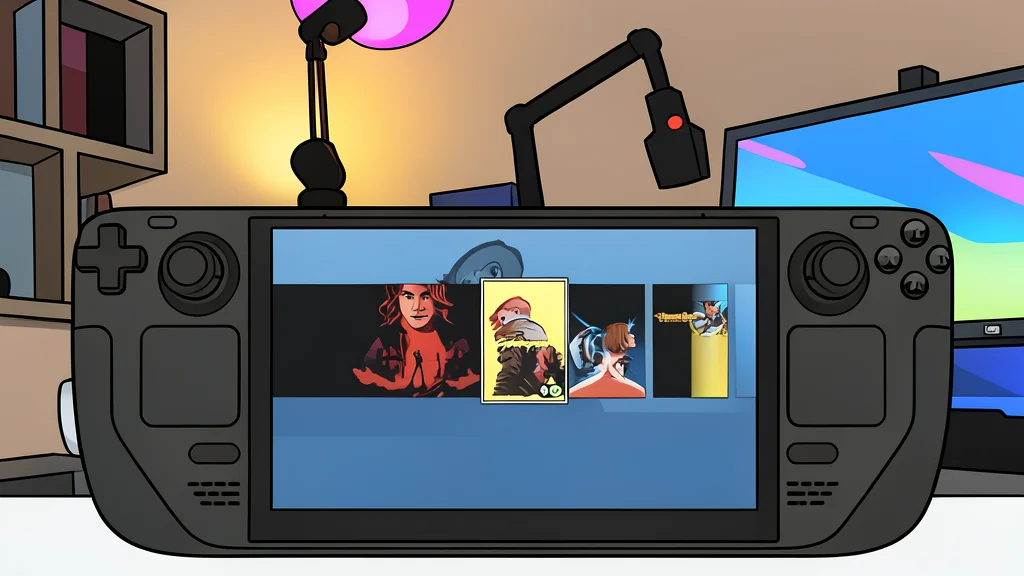
Valve has confirmed that the next Steam Deck is not imminent, as the company waits for a processor that balances performance with battery life.
Valve has no immediate plans to release a successor to the Steam Deck, despite launching a full suite of new hardware this year. The company is currently holding off on the next-generation handheld until it can identify a processor that meets its strict efficiency standards.
Designer Pierre-Loup Griffais told IGN that the team is still determining how and when to deliver the device. This delay comes even as Valve recently released the Steam Controller, Steam Machine, and Steam Frame, suggesting that the handheld remains a distinct priority that cannot be rushed.
Efficiency remains the primary design constraint
The original Steam Deck succeeded by offering a specific balance of price, performance, and battery life. Valve has consistently stated that it will not sacrifice power efficiency in the sequel. Griffais has previously explained that the company wants a generational leap rather than a minor upgrade, but such a jump may not be physically possible with current technology.
The catch is that higher performance often comes at a significant cost to battery life. Valve is unwilling to accept a trade-off where the device drains its battery quickly or becomes too expensive to produce. This rigid requirement for efficiency means the next model will only appear when a chip can deliver substantial power gains without compromising the user experience.
Hardware shortages complicate the production timeline
Recent global shortages of memory components have impacted the gaming hardware market. While Griffais stated that the current shortage has not significantly altered Valve’s development approach for the Steam Deck, it may influence when the company is willing to enter the supply chain again.
Valve already faced pressure to raise prices for its new Steam Machine and Steam Frame due to these market conditions. The original goal for the headset was to be more affordable, but brutal negotiations over component costs resulted in a much higher final price. A similar dynamic could affect the cost of the next handheld.
The search for a suitable processor
The real bottleneck is the availability of a chip that meets Valve’s criteria. The company works backwards from the silicon to design the hardware around it. Current options from Intel, AMD, and Qualcomm do not yet offer the required balance of power and efficiency, meaning the next Steam Deck will remain in development until a suitable component emerges.
As reported by The Verge, the wait is a strategic choice rather than a lack of effort. Gamers hoping for a new handheld should expect a longer wait, as Valve prioritizes a meaningful leap in capability over a quick release. This approach ensures the device remains competitive but leaves a gap in the market for now.