Silent Hill: Townfall Brings First-Person Horror to Scottish Coast
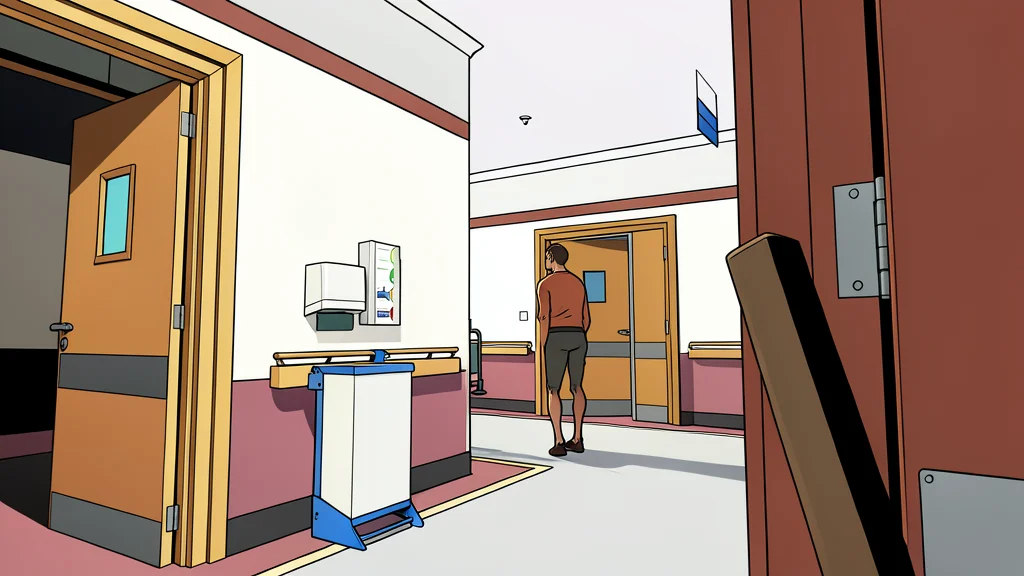
The latest entry in the franchise shifts to a 1996 Scottish village, featuring the series' first Black protagonist and a distinct first-person perspective.
Key points
- Silent Hill: Townfall is the first full installment to use a first-person perspective, shifting from the traditional over-the-shoulder view.
- The game is set in 1996 Scotland and features Simon Ordell, the franchise's first Black protagonist, though his design has faced criticism.
- Konami continues its anthology strategy, treating each game as a standalone story set in a different global location rather than a continuous timeline.
Silent Hill: Townfall marks a significant pivot for the long-running psychological horror franchise by moving its core perspective to first-person. Developed by Screen Burn Interactive and published by Konami, the game sets its narrative in a fog-drenched Scottish fishing village in 1996, distinguishing itself from previous entries that relied on over-the-shoulder camera angles.
The release continues Konami’s strategy of treating the brand as an anthology series, where each installment explores different global settings and standalone stories rather than continuing a single continuous timeline. While the shift aims to refresh the formula, it introduces specific design choices that divide players, particularly regarding character portrayal and narrative pacing.
First-person perspective changes gameplay flow
Moving to a first-person view is the most noticeable structural change in this entry. This perspective intensifies the sense of vulnerability and immersion, as players see the environment through the eyes of the protagonist. However, the trade-off is a reduction in the traditional third-person combat dynamics that defined earlier games, forcing a more cautious and exploration-heavy playstyle.
The setting is a fictional town called St. Amelia, modeled after coastal villages in Fife, Scotland. The atmosphere relies heavily on visual cues of a declining community, with empty shops and abandoned homes suggesting a town suffering from economic collapse. This backdrop serves as the primary source of dread, shifting focus from supernatural entities alone to the existential crisis of the local population.
Character design divides the audience
The game features Simon Ordell, the series' first Black protagonist, a detail that has sparked discussion within the gaming community. While the inclusion is noted as a positive step for representation, critics have raised concerns about his specific stylistic choices. Simon’s wardrobe, which includes a beanie and a sleeveless puffer jacket, has been described by some reviewers as anachronistic for the 1996 setting and lacking in cultural nuance.
This critique highlights a broader tension in horror media regarding how diverse characters are depicted. The argument is not merely about clothing, but about the depth of characterization. Simon is often portrayed as a passive observer rather than an active agent, which can feel limiting for players who expect a more robust narrative voice from their main character.
Narrative structure favors mystery over action
The story unfolds through a mix of environmental storytelling and limited dialogue, encouraging players to piece together the town’s history themselves. This approach avoids heavy-handed exposition but can result in a slower pace. The narrative also introduces Zoe Ellis, a local nurse, who provides a secondary perspective on the trauma affecting the community.
According to reporting from Mashable, the game balances these atmospheric elements with a few predictable plot twists. While the mystery remains engaging, the lack of enemy variety and some perceived padding in the later stages of the game may test the patience of players seeking a relentless pace. The overall experience remains a solid, if uneven, addition to the franchise's evolving identity.