Trails in the Sky Second Chapter Redefines JRPG Continuity
The PS5 remake of Trails in the Sky 2nd Chapter delivers a polished narrative and combat system, though it relies on the visual foundation laid by its predecessor.
Nihon Falcom has released the PlayStation 5 remake of Trails in the Sky 2nd Chapter, a title that continues the story immediately after the first chapter’s dramatic conclusion. According to GN technics/gaming (en-US), the game succeeds by transforming the slow-paced setup of its predecessor into a dense narrative of political intrigue. It does not waste time, picking up the momentum from the cliffhanger and delivering the core conflict that fans have been waiting for.
The core experience is defined by a hybrid combat system that blends turn-based strategy with real-time positioning. While the mechanics are familiar to those who played the first remake, the tuning feels more confident. Encounters are designed to be meaningful rather than filler, ensuring that players remain engaged with the tactical depth of the Orbment system without being bogged down by repetitive battles.
Narrative Logic Drives Gameplay Mechanics
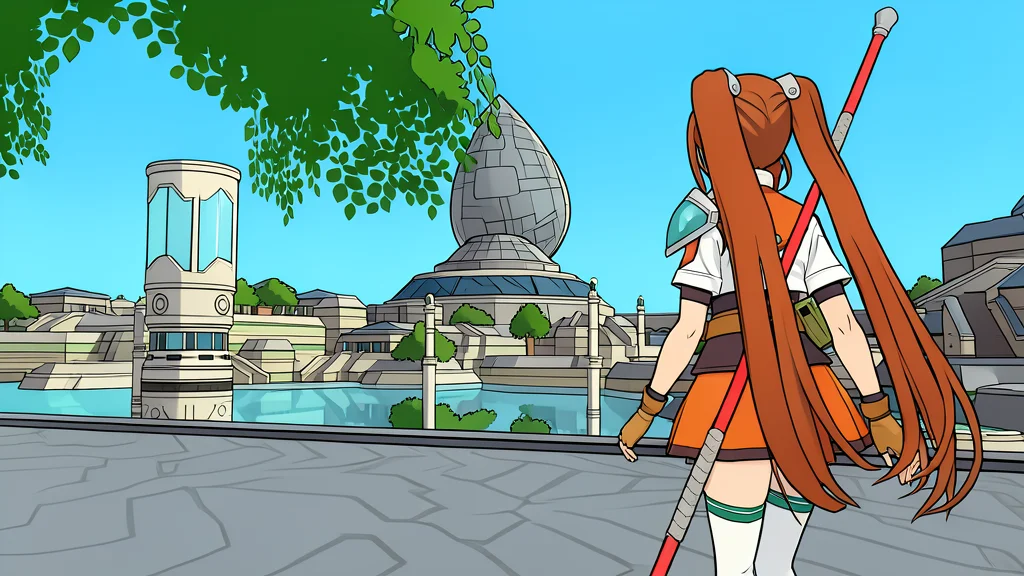
A standout feature of this sequel is how it integrates game mechanics directly into the story. When the protagonist, Estelle, receives a new orbment that resets her abilities, the game explains this change through plot events rather than treating it as a simple mechanical reset. This approach reinforces the internal logic of the world, where even gameplay shifts have narrative justifications. It is a detail that adds depth to the worldbuilding, making the setting feel more cohesive and intentional.
Visuals Carry Over From First Chapter
Visually, the second chapter is essentially identical to the first. The art direction, character models, and user interface are carried over without significant changes. This means players should not expect a graphical leap from the previous title. However, for those who played the original 2015 version on PS Vita, this is a substantial upgrade. The environments, from the cathedral districts to the coastal regions, retain their charm, supported by strong direction and voice acting that handles the emotional weight of the story effectively.
Performance And Emotional Depth
The English voice cast is a critical component of the game’s success. They navigate a story that shifts between political conspiracy, grief, and coming-of-age themes without falling into melodrama. The performance by the lead actors, particularly in handling complex character arcs, adds a layer of emotional resonance that elevates the material. The game demonstrates that strong writing and direction can compensate for a lack of visual novelty, providing a satisfying conclusion to this particular arc of the series.