MediaTek's Googlebook Chip Relies on 2023 Arm Cores
The Dimensity CX C10 Max targets premium laptops but uses older Arm architectures rather than the latest releases.
Key points
- MediaTek's Dimensity CX C10 Max uses 2023 Arm Cortex cores instead of the latest Lumex architecture.
- The chip offers 55 TOPS of AI performance and supports Wi-Fi 7 for premium laptop use.
- It is designed for fanless devices, prioritizing all-day battery life over peak raw speed.
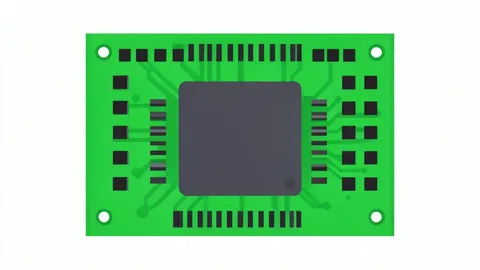
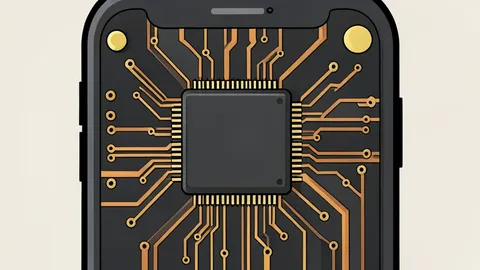
MediaTek has introduced the Dimensity CX C10 Max, a processor designed for upcoming premium Googlebook laptops. The chip aims to compete with Intel and Qualcomm in the high-end portable market by leveraging a proven design philosophy known for efficiency. It is built on a second-generation 3-nanometer process, which helps manage power usage in thin devices.
The core of the announcement is the CPU configuration, which notably bypasses Arm's most recent architectural updates. Instead of adopting the newest Lumex or C2 cores, MediaTek has chosen to reuse components from its previous generation smartphone chips. This decision prioritizes stability and cost-effectiveness over bleeding-edge performance metrics.
Reuse of older core architectures
The chip features one Cortex-X925 core and seven others from the 2023 generation. This specific mix was already present in the Dimensity 9400 smartphone chip from last year. By sticking to these familiar components, MediaTek avoids the potential inefficiencies or software compatibility issues often associated with brand-new silicon.
According to Notebookcheck, this approach mirrors the company's earlier Kompanio Ultra platform. The new Googlebook chip is essentially a refined version of that laptop silicon, with modest increases in clock speed and memory bandwidth. This strategy suggests MediaTek is betting on reliability rather than chasing the highest possible single-core scores.
AI performance and connectivity specs
Despite the older CPU cores, the chip includes a dedicated Neural Processing Unit rated for 55 TOPS of AI performance. This is sufficient to run local AI features continuously without draining the battery quickly. It also supports Wi-Fi 7 and high-speed LPDDR5X memory, ensuring data transfers remain fast for daily tasks.
Trade-offs for battery life
The primary benefit of this design is extended battery life and lower heat output. MediaTek targets fanless, ultra-portable laptops that can run all day without a charger. The trade-off is that peak computing power may lag slightly behind competitors using the absolute latest Arm architectures.
For most users, the difference in raw speed will be negligible compared to the gains in efficiency. The chip supports high-resolution displays and advanced video conferencing features, making it suitable for professional use. It represents a pragmatic choice for manufacturers seeking a dependable platform for the next wave of lightweight laptops.