Volvo Group Targets Net Zero Transport by 2040
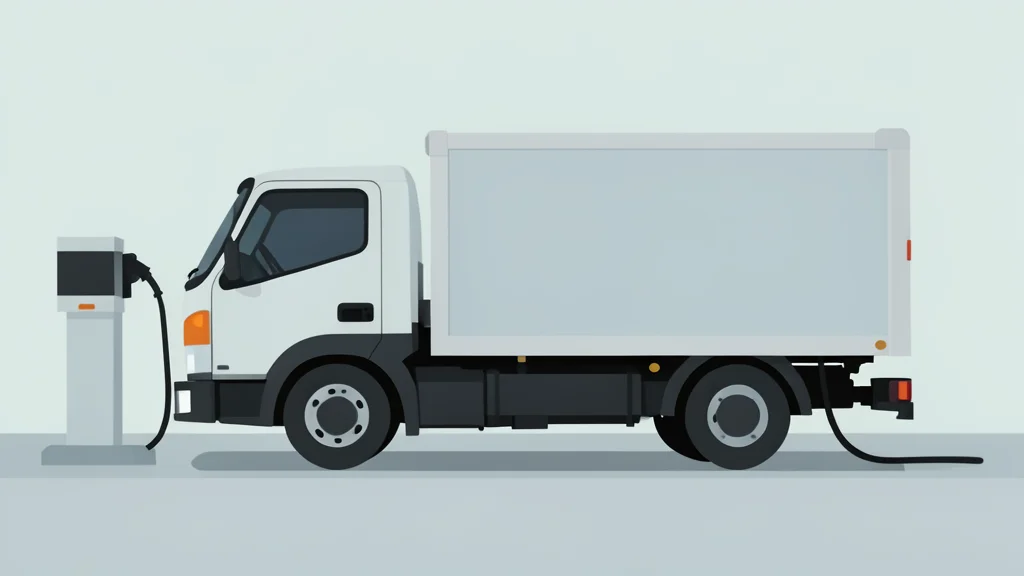
Volvo Group says electric trucks need more than just hardware. Charging infrastructure and policy must catch up to meet its 2040 goal.
Key points
- Volvo Group aims for net zero emissions by 2040 through a mix of battery-electric, fuel-cell, and alternative-fuel technologies.
- Chief Sustainability Officer Karin Svensson states that charging infrastructure and policy are more critical barriers than vehicle technology itself.
- The company is addressing upstream emissions by collaborating with suppliers on green steel and other low-carbon materials.
Volvo Group has set a target to reach net zero emissions across its value chain by 2040. The company’s Chief Sustainability Officer, Karin Svensson, explains that this goal requires more than simply swapping combustion engines for batteries. It demands a complete overhaul of energy systems, supply chains, and public infrastructure.
According to Svensson, the majority of the group's carbon footprint occurs when its vehicles are in use. This makes the transition away from fossil fuels the central challenge. The company is pursuing three technical paths: battery-electric vehicles, fuel-cell systems, and internal combustion engines running on alternative fuels like hydrogen or biofuels.
Infrastructure limits electric adoption
While the technology for electric trucks exists, Svensson argues that the vehicles are not the primary barrier to widespread use. Instead, the lack of supporting ecosystems slows progress. In many European markets, electric trucks remain a small fraction of the fleet, despite the hardware being available.
Countries like Norway and the Netherlands show that adoption can accelerate when conditions are favorable. These regions benefit from strong policy incentives and developed charging networks. The catch is that other markets lack this foundation, meaning the transition will move at vastly different speeds depending on local infrastructure and government support.
Beyond batteries and engines
Electrification alone will not solve all transport emissions. Svensson highlights the need to address upstream impacts, particularly in the production of materials. The company is working with suppliers to reduce the carbon footprint of steel and other components, a process that requires significant industrial collaboration.
The approach also includes exploring green steel and alternative fuels to complement electric power. This multi-pronged strategy acknowledges that no single technology can handle every transport segment. The trade-off is a more complex supply chain that demands close coordination with policymakers and energy providers to remain viable.
Sustainability as commercial value
Svensson emphasizes that sustainability must create tangible value for customers and businesses to be successful. It cannot be treated as a standalone cost center. By integrating environmental goals with commercial strategy, Volvo Group aims to make sustainable transport a competitive advantage rather than a burden.
This perspective is detailed in a recent episode of the Sustainability Uncut podcast, reported on by Sustainability Magazine. The discussion underscores that ambitious targets must remain adaptable to real-world market conditions. The ultimate goal is a transport system that is both environmentally sound and economically resilient for all stakeholders.