Modern PC Audio Lacks 20-Year-Old EAX Support for Legacy Games
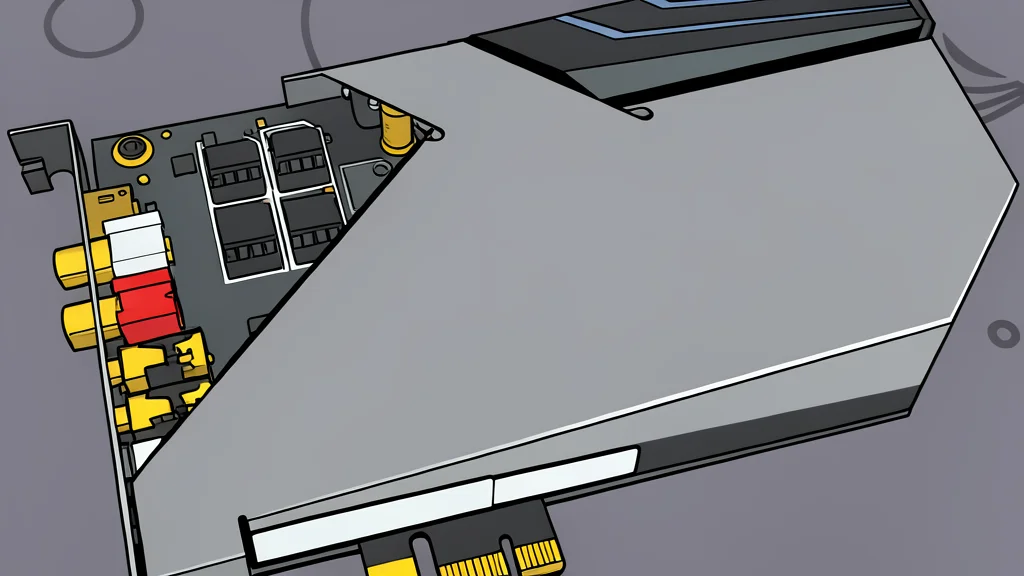
BioShock’s environmental audio setting remains disabled on modern motherboards because Windows dropped the hardware acceleration path these games require.
Key points
- Modern motherboard audio has a higher signal-to-noise ratio than 2005-era dedicated sound cards, debunking the noise quality myth.
- BioShock’s environmental audio is disabled on modern systems because the game requires EAX hardware support that is no longer standard.
- Windows Vista removed the DirectSound3D hardware acceleration path, breaking compatibility for games that rely on legacy audio processing.
If you installed the original BioShock on a modern gaming PC, you likely noticed that the environmental audio option is grayed out. This feature, which makes sounds react realistically to the geometry of Rapture’s underwater city, is unavailable because the game expects a type of hardware acceleration that standard motherboard audio does not provide.
The issue is not that modern audio hardware is inferior in quality. In fact, the signal-to-noise ratio of current onboard audio chips significantly exceeds that of the dedicated sound cards from the mid-2000s. The problem lies in a software compatibility gap left behind by a major operating system update that removed the specific interface these older games rely on.
Modern audio chips outperform legacy hardware
XDA Developers notes that the debate over noise floors is largely settled. A 2005 Creative Sound Blaster X-Fi card boasted a 109 dB signal-to-noise ratio, while current ASUS gaming motherboards list a 120 dB figure for their Realtek chips. Since a 10 dB difference represents a tenfold drop in noise power, modern onboard audio is objectively cleaner and quieter than the dedicated cards it replaced.
Manufacturers have also improved physical design, adding audio shielding and separate headphone amplifiers to prevent electrical interference. The raw output quality of a modern PC is now superior to that of a high-end sound card from two decades ago, making the lack of feature support all the more puzzling for gamers who miss specific audio effects.
Windows removed the required software bridge
The missing functionality is Environmental Audio Extensions, or EAX, which allowed sound cards to calculate how echoes and muffled sounds should behave in different virtual spaces. Games like BioShock used this to determine how a gunshot would ring off tile versus fade behind a door. The game checks for this specific hardware capability before enabling the setting, and without it, the option remains disabled.
The root cause is a change in Microsoft’s Windows Vista, which removed hardware acceleration from the DirectSound3D path used by many older titles. While some games adapted to software-only solutions, others like BioShock still look for the specific EAX implementation that modern operating systems and drivers no longer natively support, leaving a permanent gap in the audio experience.
Trade-off between modern convenience and legacy features
This situation highlights a trade-off in modern PC building: while we gain cleaner audio and fewer physical components, we lose access to specific legacy audio features that were once standard. Gamers seeking the full audio experience of older titles may find that no amount of upgrading their motherboard’s audio chip will restore the missing EAX support without significant software workarounds.