Nvidia GPU Power Cables Still Fail Despite Old Fixes
High-end graphics cards continue to suffer from melting power connectors, a problem Nvidia could have prevented with existing technology but chose not to implement on recent models.
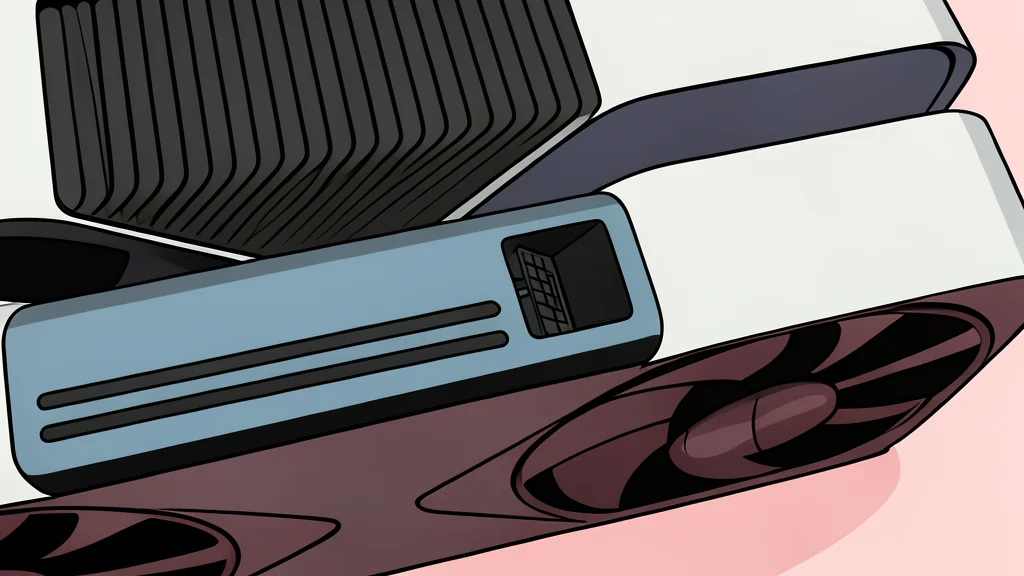
Owners of the latest Nvidia RTX 5090 graphics cards are still experiencing dangerous overheating and melting at the power connector, despite warnings and aftermarket solutions. The issue stems from the 12V-2x6 power standard, which has proven unreliable under high load. While third-party tools can detect heat, they cannot stop the failure, leaving users with a risk that only the manufacturer can fully eliminate.
The core problem is mechanical and electrical imbalance within the connector. When pins do not share the electrical load evenly, some carry far more current than their rating allows. This causes localized heating that can melt the plastic housing and damage the board. Nvidia removed a self-correcting design feature that previously mitigated this exact issue, opting for a simpler but less robust configuration on newer cards.
Older cards had better protection
The RTX 3090 Ti featured a design that split power lines into separate groups, each monitored by its own resistor. This allowed the card to detect if one group was carrying too much load and shift the burden to others automatically. This self-balancing mechanism made melting events rare, even though the card consumed high power. Nvidia discontinued this approach with the RTX 4090 and carried the simpler, less protective design into the RTX 5090 Founders Edition.
By removing the per-group monitoring, the card can no longer correct for uneven pin contact. It can verify that the cable is plugged in, but it cannot see if individual pins are overheating. This is a significant trade-off, as mass-produced connectors naturally have slight variations in resistance between pins. Without active balancing, these small differences lead to dangerous hot spots.
Aftermarket tools are limited
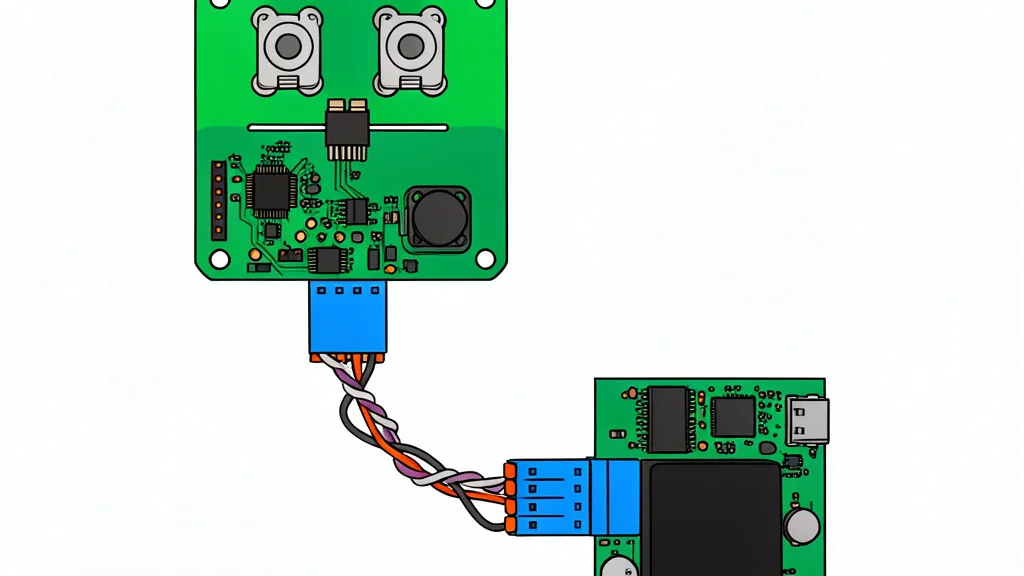
The market has responded with diagnostic tools and specialized cables, but none offer a complete solution. Devices like the Thermal Grizzly WireGuard Pro II can alert users to high temperatures, but they do not cut power when a failure occurs. Other cables, such as the ASUS ROG Equalizer, appear to look robust but do not significantly reduce risk according to independent testing.
Corsair offers a different approach with a cable that includes a physical thermal switch. This component interrupts the current if the connector reaches 65 degrees Celsius, providing a hardware-based safety cutoff. While effective, it remains a patch rather than a fix for the underlying design flaw in the card itself. Users must still rely on external hardware to prevent damage that the card’s internal design should have handled.
The responsibility lies with Nvidia
As reported by XDA Developers, the 12V-2x6 standard is not unique to Nvidia, but the company has chosen to continue using it without the protective balancing found in previous generations. For a card priced at thousands of dollars, the risk of catastrophic failure due to a known and solvable design issue is a significant concern. Nvidia has demonstrated the capability to build safer systems, but has opted for a design that relies on passive components and user vigilance.
Until Nvidia reintroduces active load balancing or moves to a more robust connector standard, users of high-power GPUs remain exposed to potential hardware damage. The availability of monitoring tools helps, but they do not replace the need for a safer base design. The current situation highlights a gap between engineering capability and product implementation in the high-end GPU market.