New Sensor Tech Aims to Stop Electrical Fires in EV Chargers
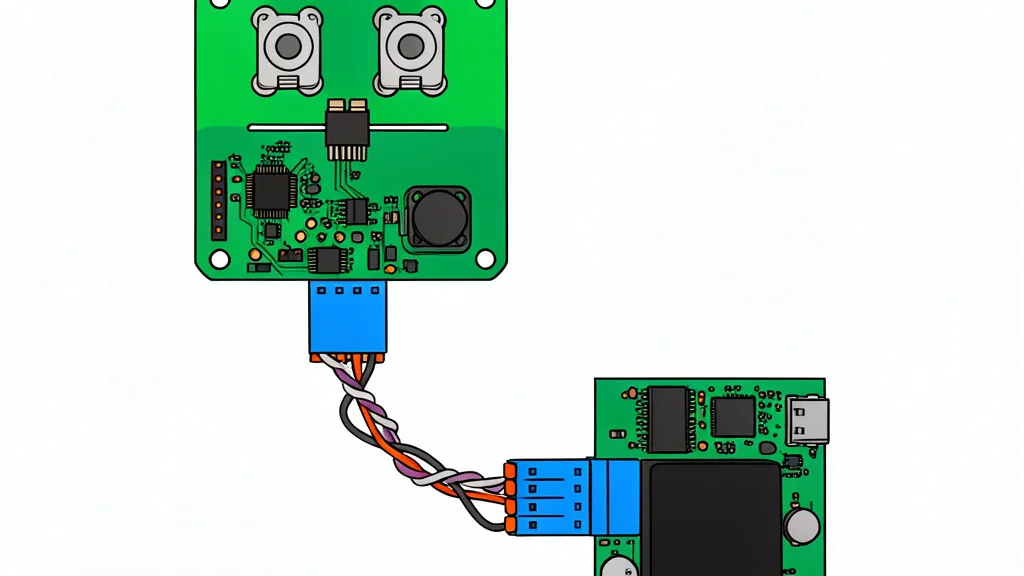
A new reference design combines precise current sensing with on-chip machine learning to distinguish dangerous electrical arcs from normal system noise, reducing false alarms in solar and EV charging infrastructure.
Microchip Technology has integrated Asahi Kasei Microdevices’ coreless current sensors into a new reference design focused on arc fault detection. The system uses machine learning to identify dangerous electrical arcs that can lead to fires, addressing a common problem where standard detectors struggle to differentiate between hazardous faults and harmless electrical activity from everyday devices.
The design relies on Microchip’s dsPIC33A digital signal controller, which processes data and runs inference algorithms locally. This local processing allows the system to make rapid detection decisions without needing external servers or additional processing units. By handling the analysis on the chip itself, the design aims to improve response times and reduce the complexity of the overall hardware setup.
Distinguishing real faults from normal noise
Arc faults are a significant safety risk in both residential and commercial power systems. In AC circuits, common appliances like vacuum cleaners or power drills create small arcs at switch contacts that can mimic a dangerous fault. In DC systems used for solar power and electric vehicle charging, components like relays and inverters generate broadband noise during operation. Traditional threshold-based detectors often fail here, either triggering unnecessary shutdowns or missing actual hazards because the noise masks the fault signature.
To solve this, the new design employs an edge machine learning model. This model analyzes the electrical signals to identify the specific patterns of a dangerous arc, filtering out the background noise from normal system operations. Asahi Kasei Microdevices notes that this approach significantly reduces false positives compared to older methods, making the system more reliable for critical applications where unplanned downtime is costly.
Sensor precision supports reliable data
The design utilizes the CZ39 and CZ3K series sensors, which are coreless and feature a response time of 100 nanoseconds. High-speed sensing is crucial because a slow or noisy sensor can blur the unique signature of an arc. If the sensor data is unclear, the machine learning model has less clean information to work with, which can degrade its ability to accurately classify events.
The San Jose engineering team at AKM Semiconductor, the US subsidiary of Asahi Kasei Microdevices, collaborated with Microchip on the sensing configuration. Their work focused on ensuring the sensors provided the high-fidelity data required for the machine learning algorithms to function effectively. This collaboration highlights the importance of matching sensor performance with the processing capabilities of the controller.
Applications extend beyond residential safety
While the technology is applicable to residential safety switches, its primary targets include solar photovoltaic systems, energy storage, and electric vehicle chargers. These DC systems are becoming more prevalent and require robust protection against arc faults. The reference design is available through Microchip’s program, allowing engineers to integrate the solution into their own products.
Looking ahead, Asahi Kasei Microdevices sees potential for this technology in data centers. As AI workloads increase power density and drive the adoption of high-voltage architectures, the need for precise and fast electrical protection grows. The company believes this design could help manage the complex power demands of emerging infrastructure, offering a scalable solution for high-stakes environments.