Foldables Stay at 2% Market Share Despite Apple Entry
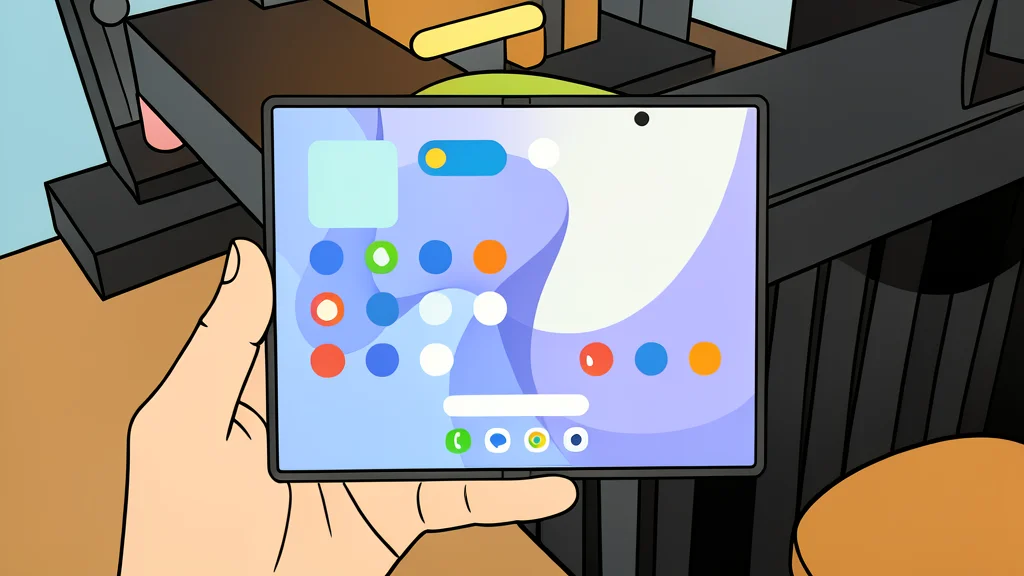
Foldable phones remain a niche segment with only 2% global share, even as Apple's new device aims to boost sales by 20%.
Key points
- Foldable smartphones currently represent only 2% of the global smartphone market share.
- Samsung controls the majority of the foldable market, with its Z Fold series leading usage.
- Apple's entry is predicted to increase total foldable sales by 20% in 2026.
Foldable smartphones have existed for seven years, yet they remain a rare sight in most pockets. According to recent data cited by Droid Life, these devices account for just 2% of the global smartphone market. This small slice of the industry highlights a significant gap between their technological novelty and their everyday adoption.
Samsung currently dominates this niche, holding the majority of the market share. However, the landscape is set to change in 2026. Analysts predict that the arrival of Apple's first foldable, the iPhone Duo, will drive a 20% increase in total foldable sales, potentially disrupting the status quo that has favored Samsung for years.
Samsung holds dominant market position
Samsung’s lead is substantial, with the brand occupying eight of the top ten spots in global foldable popularity rankings. The Galaxy Z Fold series is the clear leader, with the Z Fold 7 alone representing 24.2% of the total usage data. This dominance suggests that consumers still view Samsung as the primary option when considering a device that bends.
Even Samsung’s newer and more complex models have struggled to gain traction. The Galaxy Z TriFold, a three-panel device, accounts for only 0.5% of the market. This indicates that while consumers are interested in folding screens, they are largely sticking to the familiar two-panel design rather than experimenting with more intricate forms.
Apple entry expected to boost sales
The introduction of the iPhone Duo is expected to be a major catalyst for growth. Experts forecast that Apple will immediately capture nearly 28% of the foldable market once its device launches. This shift would mark the first time a major competitor has successfully challenged Samsung’s near-monopoly in this specific hardware category.
This potential surge in sales is largely attributed to Apple’s massive existing user base. Many iPhone users who have been curious about foldable technology may finally feel comfortable making the switch. The entry of a second major player is likely to increase overall visibility and consumer confidence in the durability of these devices.
High cost remains primary barrier
Despite the optimistic outlook, the main obstacle to mass adoption remains price. Foldable phones typically cost twice as much as standard smartphones, a premium that deters many average buyers. Until the cost of manufacturing these flexible screens drops significantly, they will likely remain a luxury item rather than a mainstream choice.
For the time being, the 2% market share reflects a reality where innovation has outpaced affordability. While the technology is impressive, the financial trade-off is too steep for the majority of consumers. The future of foldables depends not just on better screens, but on whether manufacturers can bring prices down to a level that appeals to the broader market.