Smartphone Lifespan Limited by Battery Wear and Software Support
Experts clarify that while some manufacturers use planned obsolescence, most phone decline stems from natural battery degradation and ending software updates.
Key points
- Apple supports iPhones for about six years, while most Android makers offer only three to four years.
- Lithium-ion batteries degrade after roughly 500 charge cycles, causing performance drops that can be fixed by replacement.
- Water resistance and slim designs use adhesives and tight packing, making self-repair difficult and encouraging new purchases.
Smartphones are essential tools for daily life, yet users often feel compelled to replace them just as they finish paying for the device. This frustration leads many to suspect that manufacturers intentionally build phones to fail shortly after purchase. While this perception is common, the reality is a mix of engineering limitations and business strategies rather than a single conspiratorial plot.
According to reports from Yahoo News Singapore, tech experts confirm that planned obsolescence is a real tactic used by some companies to drive sales. However, they also note that much of the perceived decline is simply the natural aging of components, particularly the battery. Understanding the difference between intentional design choices and physical wear can help consumers make more informed decisions about repair versus replacement.
Software support drives perceived obsolescence
One of the primary reasons phones feel obsolete is the cessation of software updates. Manufacturers stop providing security patches and feature updates for older models, which can make devices feel outdated even if the hardware still functions well. The duration of this support varies significantly between major brands, creating a clear divide in how long a phone remains useful to its owner.
Apple typically supports its iPhones for about six years, while most Android manufacturers offer only three to four years of support. This shorter window means that Android users often face the end of their phone's functional life sooner, regardless of battery health. Additionally, some companies have faced legal challenges for intentionally slowing down older models, a practice that further fuels consumer skepticism about device longevity.
Battery degradation is the main culprit
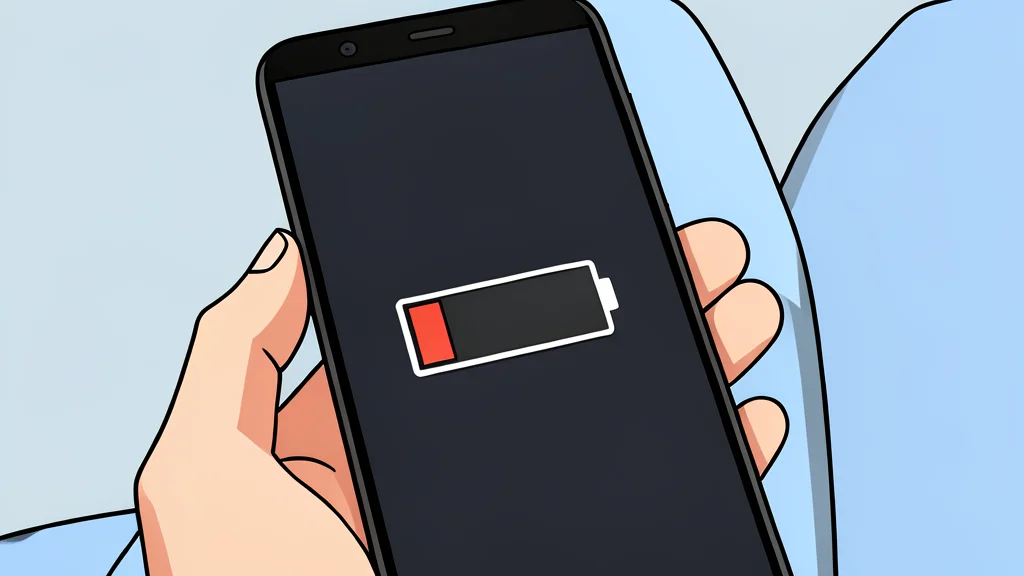
The lithium-ion battery is the component that degrades fastest, typically beginning to lose capacity after about 500 full charge cycles. This decline manifests as shorter usage times, unexpected shutdowns, or reduced processing speed as the phone throttles performance to prevent power loss. Many users mistake this specific hardware failure for the end of the entire device's lifespan.
Replacing the battery is often a cost-effective way to extend a phone's life, costing significantly less than buying a new device. Other common issues like broken screens or worn charging ports are also relatively cheap to fix. By addressing these specific parts, users can often keep their phones functional for years beyond the initial software support window.
Design choices hinder easy repair
Modern smartphones are designed with features like water resistance and slim profiles, which make them harder to repair. These design goals require the use of adhesives and tightly packed components, reducing the number of easily replaceable parts. While these features improve the user experience in terms of durability and aesthetics, they create a significant trade-off in maintainability.
This difficulty encourages users to replace devices rather than repair them, contributing to a cycle of frequent upgrades. The environmental impact of this churn is substantial, as manufacturing new phones requires intensive mining of lithium and rare earth elements. Extending the life of existing devices through proper maintenance and repair is a more sustainable approach than constant replacement.