Galaxy Z Fold 8 Outlasts Pixel 10 Pro in Real-World Battery Test

Samsung's new foldable offers superior endurance despite similar capacity, eliminating the need for portable chargers during heavy use.
Key points
- The Galaxy Z Fold 8 uses silicon-carbon battery technology to outperform the Pixel 10 Pro in endurance despite similar capacity.
- Real-world testing showed the Z Fold 8 retained 29% charge after nearly five hours of screen time, eliminating mid-day charging needs.
- While the Z Fold 8 offers better battery life, it trades off some camera quality and lacks exclusive Google software features like Now Playing.
Samsung's Galaxy Z Fold 8 is challenging the notion that foldable devices must sacrifice battery life for their form factor. A recent hands-on assessment by Android Police highlights that the phone’s endurance significantly outperforms the competing Google Pixel 10 Pro, even when the two devices carry nearly identical battery capacities. This shift suggests that hardware efficiency, rather than just cell size, is becoming the primary driver of mobile longevity.
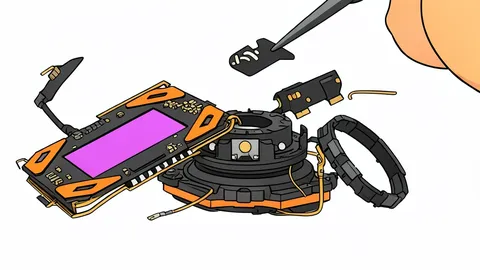
The core of this improvement lies in the move away from traditional lithium-ion chemistry. By utilizing a silicon-carbon battery, the Z Fold 8 manages to extract more usable energy from its 4,800mAh cell. For users who have grown accustomed to midday top-ups or carrying power banks, this technical adjustment translates into a tangible reduction in daily charging anxiety, offering a full day of heavy usage without the constant need to monitor the percentage.
Silicon-Carbon Chemistry Extends Daily Usage
The distinction between the two devices is not found in the raw milliwatt-hour count, which is nearly identical between the Z Fold 8 and the Pixel 10 Pro. Instead, the advantage comes from the internal battery composition. Silicon-carbon anodes allow for higher energy density compared to standard graphite anodes, meaning the phone can store and release power more efficiently. This results in a device that feels less constrained by its physical size, a common complaint in the foldable category.
In practical terms, this means the phone can sustain longer sessions of screen time before requiring a recharge. The reviewer noted that while the Pixel 10 Pro often required a mid-day charge on busy days, the Z Fold 8 maintained a comfortable reserve even after extended use. This efficiency gap is subtle in specification sheets but profound in daily experience, as it shifts the user's relationship with the device from one of management to one of trust.
Real-World Endurance Beats Competitor
Testing scenarios revealed a clear performance gap between the two flagship models. On a particularly demanding day involving nearly five hours of continuous screen time, the Galaxy Z Fold 8 still retained 29% of its charge at the end of the day. By contrast, the Pixel 10 Pro would have required a top-up before the day concluded. This margin of safety allows users to avoid enabling power-saving modes, which often degrade performance and battery health over time.
The ability to finish a heavy usage day with more than a quarter of the battery remaining is a significant milestone for foldable hardware. It suggests that the Z Fold 8 is no longer a compromise device but a capable primary smartphone. This level of endurance removes the psychological burden of tracking battery levels, allowing users to focus on the device's other strengths, such as its dual-screen productivity features.
Trade-Offs in Camera and Software
However, the superior battery life comes with trade-offs that potential buyers must weigh. The camera system on the Z Fold 8 is considered a step down from the Pixel 10 Pro, particularly for photography enthusiasts who value computational photography and color accuracy. Additionally, users migrating from Android's ecosystem may miss specific Google-exclusive features, such as the Now Playing audio recognition tool, which is not available on Samsung's interface.
Despite these shortcomings, the overall user experience is reported to be highly positive. The balance between battery longevity and daily usability appears to tip the scales in favor of the Samsung device for many users. The story illustrates a broader trend where manufacturers are prioritizing holistic device experience over individual spec-sheet victories, resulting in phones that feel more reliable and less demanding in their daily requirements.