iOS 27 Doubles Storage Needs for Top-Tier iPhones

The latest update to Apple Intelligence introduces a significant change in storage requirements for specific high-end iPhone models, demanding nearly double the free space compared to previous generations.
Apple has introduced a notable shift in how its artificial intelligence features consume device memory. With the release of iOS 27, the storage footprint for Apple Intelligence has expanded significantly for the most capable hardware. While the majority of users will see no change, owners of the newest flagship devices must now reserve up to 14GB of free storage to access the full suite of AI capabilities.
This increase represents a nearly double jump from the 8GB requirement that applied to previous versions. The change is not universal but is limited to specific models that support the most advanced on-device processing. For these users, the trade-off is a larger slice of their available storage dedicated to the operating system's AI components, which may impact how much space remains for photos, apps, and other data.
Higher storage demands for flagship models
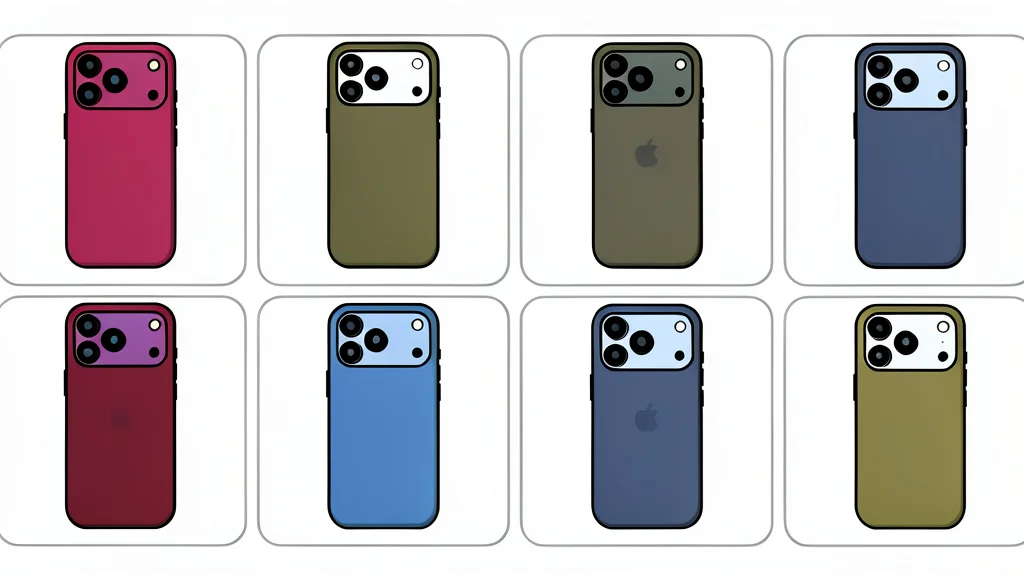
According to documentation reviewed by 9to5Mac, the increased requirement applies specifically to the iPhone 18 Pro and Pro Max, the iPhone Duo, the iPhone 17 Pro and Pro Max, and the iPhone Air. These devices are equipped with more powerful hardware that allows Apple to run larger, more complex AI models directly on the phone. Consequently, the software footprint is larger to accommodate these enhanced capabilities.
For all other iPhone models, the storage requirement remains at 8GB. This distinction highlights a tiered approach to AI implementation, where the most powerful features are reserved for hardware that can handle the additional computational load. Users with older or mid-range devices will not face this additional storage burden, but they also will not have access to the specific advanced features that drive the larger file size.
Advanced features drive the size increase
The extra storage is allocated for two key capabilities: Siri AI voice customization and improved dictation accuracy. These features rely on a more robust on-device model that processes voice patterns and speech recognition with greater precision. By running these models locally, Apple aims to improve privacy and responsiveness, but the cost is a larger initial download and permanent storage reservation.
The broader context of this update is an attempt to revitalize interest in Apple Intelligence. Since its initial launch, the feature set has faced criticism for being underwhelming. iOS 27 introduces a significantly upgraded version of Siri, capable of handling a wider range of tasks. The storage increase is the technical price of delivering these more sophisticated, on-device experiences without relying entirely on cloud servers.
Practical implications for device owners
For users considering a new iPhone or updating their current device, this change adds a new variable to the decision-making process. If you purchase a 128GB or 256GB model, the 14GB reservation for AI features becomes a more significant portion of your total available space. This may force users to manage their storage more aggressively or opt for higher capacity tiers than they might have considered otherwise.
The trade-off is clear: access to the most advanced AI tools comes with a higher cost in terms of device utility. While the performance gains in voice and dictation are substantial, users must weigh this against the reduced space for their personal data. It is a deliberate design choice by Apple to prioritize on-device intelligence, but it requires users to be more mindful of their storage management.