iPhone 18 Launch Sparks Debate over Spending Priorities
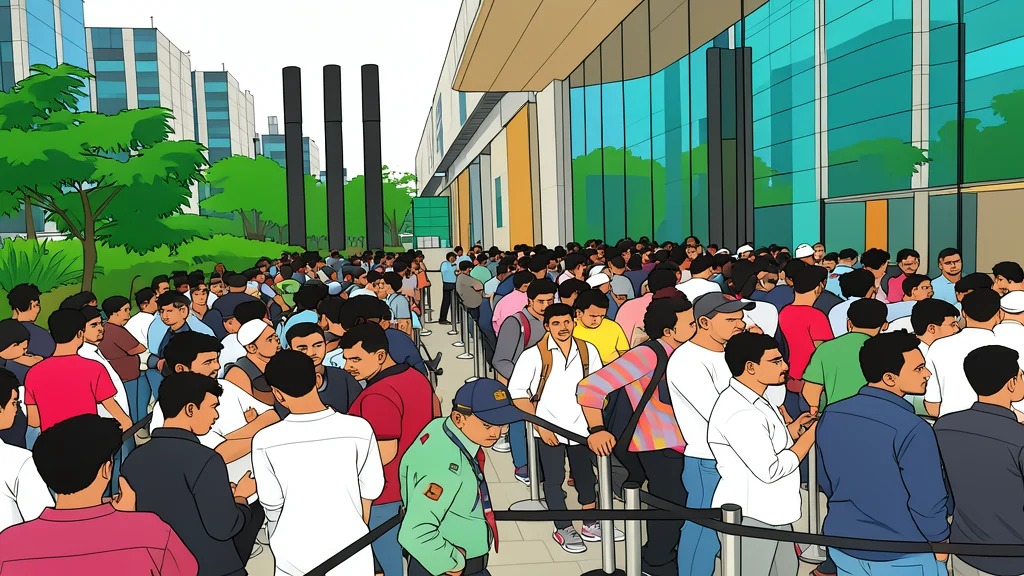
Long queues for the iPhone 18 in India have triggered a broader conversation about consumer habits and social responsibility, with public figures urging a shift in focus.
The release of the iPhone 18 Pro and Pro Max in India on September 18 drew significant attention, not just for the hardware itself, but for the scenes it created. Long lines of eager buyers formed outside Apple Stores in major cities, with some individuals waiting overnight to secure a device that would remain available for weeks. This display of enthusiasm quickly moved beyond tech circles, sparking a wider discussion about the cultural weight of smartphone launches.
The conversation took a pointed turn when social media personality Sonu Sood shared images of the crowds. His commentary challenged the prevailing narrative of upgrade culture, suggesting that the energy spent waiting in line might be better directed toward societal improvement. This reaction highlighted a growing friction between individual consumption desires and collective social responsibilities, turning a product launch into a case study for modern consumer behavior.
Queues reflect broader consumer trends
The willingness to wait ten to twelve hours for a smartphone, as reported in Mumbai and Noida, illustrates the intense status value attached to new technology. For many buyers, being among the first is a marker of prestige. However, this behavior also raises questions about value perception. When a product is widely available online and in stores shortly after launch, the urgency to stand in a physical queue often signals a desire for exclusivity rather than immediate utility.
Financial analysts note that the rise of easy installment plans, or EMIs, has made high-end gadgets more accessible but also more risky for household budgets. The convenience of spreading payments over time can lead to a cycle of continuous upgrading. This trend is particularly pronounced in markets like India, where smartphone penetration is high and competition is fierce, making the pressure to keep up with the latest model a persistent economic driver.
Public reaction highlights spending divides
Sonu Sood’s post on X resonated with a segment of the public that feels strained by the cost of living. His argument that a "better society" is a more valuable upgrade than a new phone struck a chord with those who prioritize social welfare over personal consumption. The response was not uniform, however. Many users defended their right to purchase what they can afford, arguing that personal spending choices do not negate their ability to contribute to society in other ways.
The debate also touched on the practicality of launch-day purchases. Critics of the queue culture pointed out that the iPhone 18 Pro is available through multiple online platforms, reducing the necessity of physical presence. This highlights a disconnect between the ritualistic aspect of buying tech and its practical availability. For many, the act of waiting is less about the device and more about the social experience of being part of a trend.
Trade-offs in upgrading technology
Every new smartphone launch presents a trade-off for consumers. While the iPhone 18 series offers improved camera systems and faster processing speeds, these upgrades often provide diminishing returns for average users. The financial outlay required for a top-tier device can be substantial, especially when factoring in accessories and potential trade-in values. For some, the cost of upgrading outweighs the benefits, leading to a more measured approach to technology adoption.
According to reports from GN auto tech/entertainment: smartphone launch, the industry continues to market new devices as essential upgrades, even when previous models remain highly capable. This strategy drives sales but also contributes to electronic waste. As the discussion around the iPhone 18 launch continues, it serves as a reminder that consumer choices have broader implications. Whether one chooses to buy immediately or wait, the decision reflects a balance between personal desire and financial prudence.