Ultrahuman Ring Pro Offers Deep Data but Sacrifices Comfort
Ultrahuman's latest smart ring trades the sleekness of its predecessors for a heavier build and a flood of metrics that may overwhelm casual users.
Ultrahuman has released the Ring Pro, its most ambitious smart ring to date, priced at $479. The device aims to compete directly with the established Oura Ring 5 by offering a broader range of health and recovery metrics. However, the company has made significant design changes that prioritize sensor depth over the lightweight feel that defined the category previously.
According to a detailed review from GN auto tech/wearables: fitness tracker, the Ring Pro is noticeably thicker and heavier than its predecessor. While it retains a premium titanium build and excellent battery life, the increased bulk is a clear trade-off for the expanded data capabilities. The device also comes without a mandatory subscription, a distinct advantage in a market where many competitors lock core features behind monthly fees.
Heavier build prioritizes sensor depth
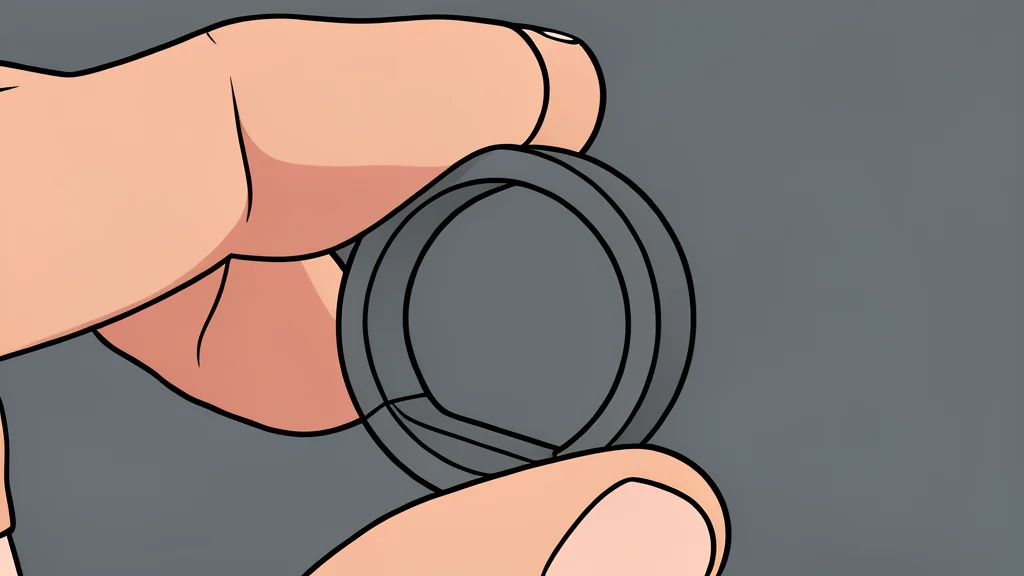
Smart rings have generally trended toward thinner, lighter designs in recent years, but the Ring Pro moves in the opposite direction. At 2.65mm thick and weighing between 3.3g and 4.8g, it is significantly more substantial than the 2.4mm, 2.4g Ring Air it replaces. This physical heft is a direct consequence of housing more advanced sensors to capture the expanded suite of health data.
The trade-off is immediate comfort. Users who are accustomed to the near-invisible feel of modern smart rings may find the Ring Pro intrusive, especially when compared to the slimmer Oura Ring 5. The device is well-made with a PVD coating, but the market direction in 2026 seems to favor minimalism, making Ultrahuman’s bulky approach a risky bet on user preference.
Data volume overcomes usability issues
The primary selling point of the Ring Pro is the sheer volume of health information it provides. The accompanying app tracks sleep stages, heart rate variability, resting heart rate, temperature, stress levels, and cardiovascular metrics. This creates a comprehensive trove of data for users who want to monitor every aspect of their physiological state.
However, this abundance comes with a catch: complexity. The app layout has recently been redesigned, which looks visually appealing but can feel overwhelming for users who do not actively seek out granular health statistics. While the data is accurate, the presentation requires a level of engagement that casual wearers may find exhausting, potentially leading to data fatigue.
Competitive gap remains in fitness tracking
Despite its improvements, the Ring Pro does not fully close the gap with its main rival. Fitness tracking, a core function for many wearables, still trails behind the Oura Ring 5. Additionally, while the base price is competitive, optional paid features can add up quickly, eroding the value proposition of the initial no-subscription model.
The smart ring market is becoming increasingly saturated, with new launches appearing frequently. Ultrahuman’s strategy hinges on quantity and depth of data rather than the refined simplicity of its competitors. For users who prioritize raw metric availability over comfort and streamlined usability, the Ring Pro offers a compelling, albeit heavy, alternative.