Optiemus Joins CMF to Build Full-Stack Smartphone R&D in India
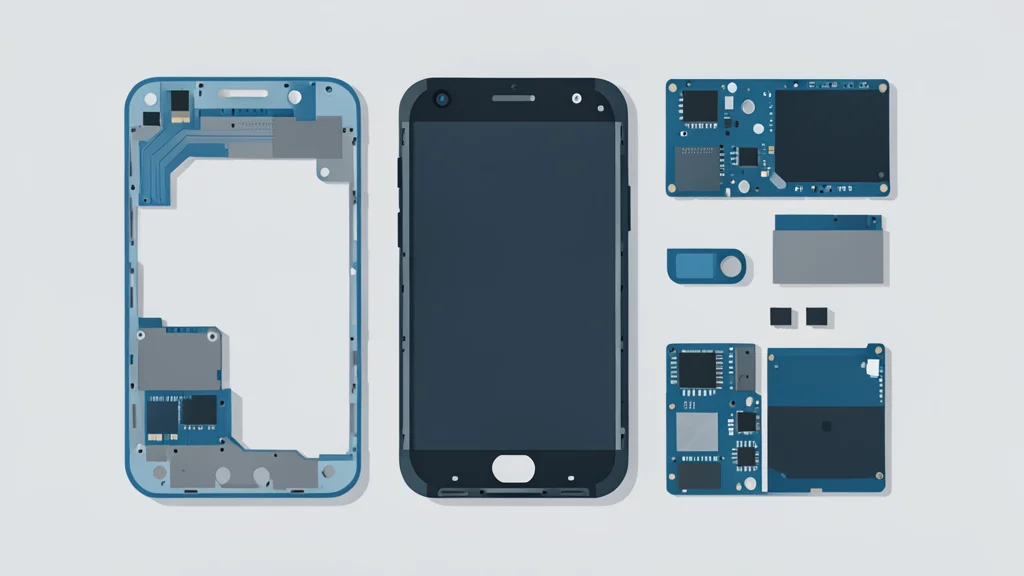
Noida-based Optiemus is investing in CMF to establish India's first complete in-house smartphone research and development center, moving beyond simple assembly.
Key points
- Optiemus Group will invest in CMF's Series A round to establish a full-stack R&D center in India.
- The deal expands a previous manufacturing joint venture to include design, software, and engineering development.
- The partnership aims to shift India's role from smartphone assembly to global technology development and exports.
Noida-based Optiemus Group has announced it will join the upcoming Series A investment round for CMF, the consumer electronics brand spun off from Nothing. This move follows a statement by Nothing CEO Carl Pei confirming that CMF will operate as a standalone Indian entity. The partnership aims to transform the brand's operations in the country significantly.
According to The Hindu, the collaboration is designed to go beyond standard ownership and manufacturing roles. The companies intend to build CMF into India’s first smartphone brand with full-stack, end-to-end research and development capabilities. This represents a strategic shift from being a production hub to a center for technological innovation.
Expanding the 2025 Manufacturing Joint Venture
This agreement builds on a manufacturing joint venture that Nothing and Optiemus announced in September 2025. Initially, that partnership focused on producing products for both brands. The new deal expands this framework into a deeper, comprehensive partnership. It consolidates manufacturing, ownership, and research under a single Indian entity.
By integrating these functions, the companies aim to streamline the development process. This structure allows for tighter coordination between design, engineering, and production. The goal is to create a self-sufficient ecosystem for smartphone creation within India.
Shifting India’s Role in the Value Chain
The investment in local engineering is intended to elevate India's position in the global smartphone industry. Currently, the country plays a major role in manufacturing but relies heavily on imported components and software. The new R&D center seeks to change this dynamic by developing technology domestically.
Carl Pei stated that this move allows India to take the next step toward becoming a global technology powerhouse. He cited the country's engineering talent and manufacturing capabilities as key assets. The plan is to use these resources to build a brand that ships products worldwide, not just locally.
The Trade-Off Between Control and Cost
While this strategy offers greater control over the product lifecycle, it comes with significant financial and operational risks. Building full-stack R&D capabilities requires substantial upfront investment in talent, laboratories, and time. This is a more expensive and slower path than simply outsourcing design to established global partners.
Ashok Gupta of Optiemus noted that Nothing has already proven this model works by building its own capabilities from scratch. However, replicating this success in a new market is not guaranteed. The partnership relies on a policy environment that continues to support innovation at scale. If the economic or regulatory landscape shifts, the high fixed costs of in-house R&D could become a burden rather than an asset.