Cloud Sovereignty Remains Elusive Due to Deep Supply Chain Ties
Recent disruptions in the Gulf and legal uncertainties have exposed the fragility of claims to digital independence for European enterprises.
Key points
- AWS data centers in Bahrain and the UAE suffered drone damage in March, causing outages that lasted until September.
- The US Cloud Act and interconnected global supply chains limit the ability of European firms to achieve full data independence.
- Lack of mature assessment tools forces IT leaders to rely on manual audits to track foreign dependencies and verify sovereignty claims.
The concept of cloud sovereignty is proving far more difficult to achieve than marketing brochures suggest. Recent incidents, including drone attacks on data centers in the Middle East and legal disputes over access to corporate email, have highlighted the vulnerabilities inherent in relying on global technology infrastructure. As geopolitical tensions rise, organizations are realizing that simply storing data locally is insufficient for true independence.
According to reporting by Computer Weekly, the current state of digital sovereignty is complicated by deep dependencies on foreign components and open-source code. Even major cloud providers operate on technology that is predominantly US-owned, making complete isolation nearly impossible for most enterprises. This reality forces IT leaders to confront the gap between regulatory ideals and technical reality.
Physical risks expose data center limits
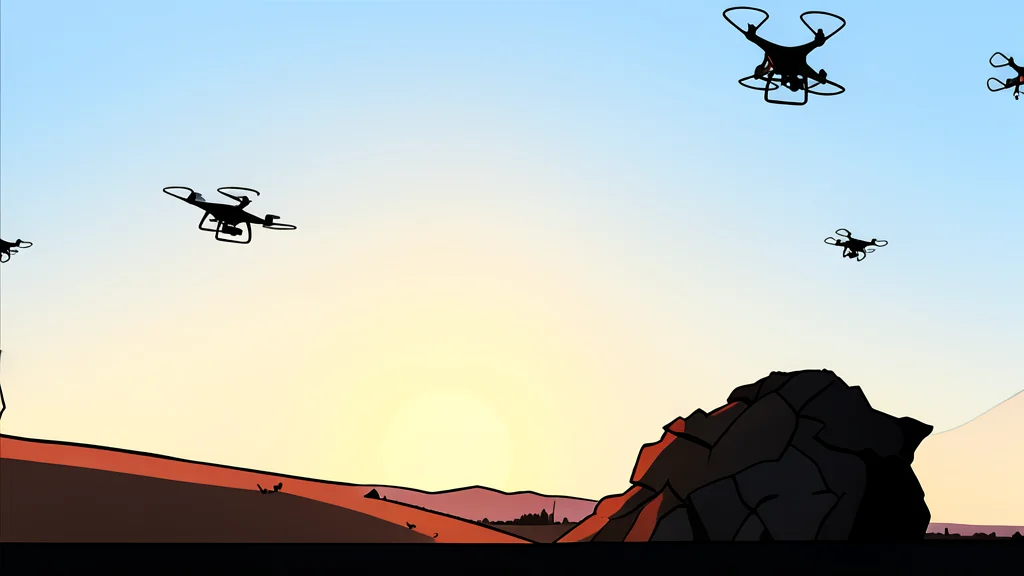
In March, Iranian drones damaged facilities in Bahrain and the UAE, causing prolonged outages for Amazon Web Services users. This event demonstrated that physical security is a critical component of sovereignty, yet many regions concentrate their cloud infrastructure in small geographical areas. Such concentration creates single points of failure that are vulnerable to physical attack, regardless of data residency laws.
The UAE is now planning to redesign a major data center project to distribute it across the country, acknowledging the risks of centralized infrastructure. This shift reflects a broader understanding that sovereignty requires resilience against physical disruption, not just compliance with local data storage rules. However, rebuilding distributed infrastructure is a costly and complex undertaking for any government or private entity.
Legal and supply chain complexities
Beyond physical security, legal frameworks create significant uncertainty. The US Cloud Act allows the US government to access data held by US companies, even if that data is stored abroad. This legal reach complicates efforts by European companies to protect their information from foreign jurisdiction. Additionally, the global IT supply chain is deeply interconnected, meaning that even systems designed for local control often rely on foreign hardware and software components.
Gartner analysts note that sovereignty is no longer just a regulatory checkbox for specific industries like banking or defense. It has become a strategic concern for the public and private sectors alike. However, few countries can build fully sovereign end-to-end infrastructure. Even the US and China, with their extensive tech ecosystems, have not achieved complete technological independence, highlighting the practical limits of sovereignty.
Manual audits replace automated tools
Tools to assess and monitor technology sovereignty remain immature, leaving CIOs to rely on manual audits and spreadsheets to understand their exposure. This lack of automated tooling makes it difficult to verify vendor claims and track dependencies on foreign elements. Organizations must invest significant resources in manual assessments to identify where their systems remain vulnerable to external control.
While the EU has introduced frameworks to support sovereign technology development, including a single framework to assess cloud and AI sovereignty, the practical implementation remains challenging. Testing exit strategies is often disruptive and rarely practiced, meaning many organizations do not know if they could actually leave their current cloud providers. Sovereignty must therefore be viewed as a risk hedge rather than a state of total independence.