Polls Show iPhone Duo Wins over Flip Rivals
Apple’s first foldable has secured strong consumer preference for its wide-screen design, though the high price tag and limited initial production may constrain its immediate market impact.
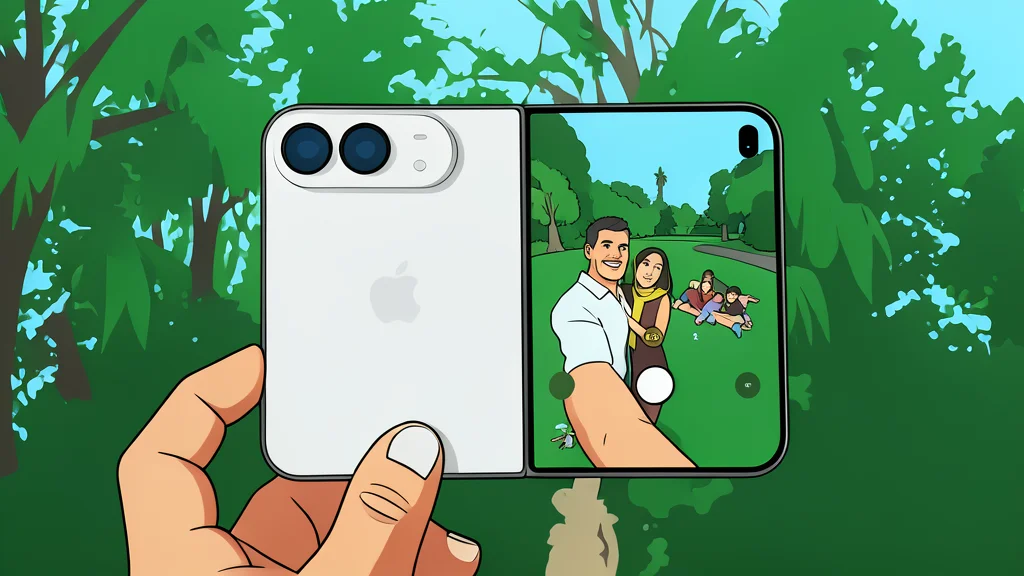
Apple’s entry into the foldable smartphone market has received a positive reception regarding its physical design, according to recent consumer feedback. The device, known as the iPhone Duo, favors a wide, book-like form factor that unfolds to a tablet-like display. This approach contrasts with the vertical flip phones or smaller book-style devices seen from other manufacturers. Early data suggests that this specific shape resonated well with buyers who were weighing their options for a new flagship.
However, enthusiasm is tempered by the device’s steep price point and limited initial availability. The iPhone Duo is priced at approximately $2,000, a figure that places it firmly in the ultra-premium segment. This cost significantly narrows the potential buyer pool to high-end consumers. Additionally, production targets are reportedly modest, which may mean that supply will not exceed demand in the early months, creating a scarcity rather than a widespread market shift.
Wide screen design prevails
The decision to use a wide, landscape-oriented foldable was a calculated risk for Apple. Alternative formats, such as the vertical flip phone, are common in the Android ecosystem but did not gain traction in this specific poll. The results indicate that users preferred the larger canvas of the Duo for multitasking and media consumption. This suggests that Apple’s strategy of prioritizing screen real estate over portability was the correct choice for its target audience.
Despite the design success, the device is not without criticism. Early handlers have noted that the camera hardware feels underwhelming compared to the company’s traditional flagships. Furthermore, the battery capacity is smaller than what is typically expected in a device of this size. These are areas where future iterations will likely need improvement to compete effectively with established Android rivals that offer more balanced hardware specifications.
Price limits early adoption
The $2,000 price tag is a significant barrier to mass adoption. While Apple has a history of commanding high prices for its top-tier products, the foldable category is still maturing. Consumers are generally more price-sensitive when adopting new form factors. The high cost means that the initial sales will be driven by early adopters and tech enthusiasts rather than the mainstream market. This could slow the overall growth of the foldable segment as a whole.
Production constraints further complicate the picture. Reports suggest that Apple is targeting around six million units for the initial run. If this figure is accurate, it implies that supply may be tight. While this could lead to strong sell-through rates, it also means that many interested buyers may not be able to secure a device immediately. This artificial scarcity might mask the true level of consumer interest in the long term.
Traditional phones remain popular
Despite the buzz around the new foldable, demand for traditional bar-style iPhones remains strong. The iPhone 18 Pro Max continues to outperform its smaller sibling, a trend that has persisted across recent generations. This indicates that for many users, the familiar form factor and proven reliability of the standard iPhone are still preferred over the novelty of a folding screen. The foldable is an addition to the lineup, not a replacement for it.
The iPhone 18 Pro and Pro Max launched before the Duo, with the latter arriving in late October. This staggered release allows the traditional models to capture early sales. Pre-order data suggests that interest in the 18 Pro series was moderate, with some analysts describing it as an incremental upgrade. This lukewarm reception may reflect a market that is waiting for more significant changes, possibly hoping for the next generation of hardware to offer more compelling reasons to switch.