New Mini PC and Laptop Options Hit the Market
Three new hardware releases are reshaping the desktop and laptop landscape this week, offering distinct approaches to portability and performance.
The tech market has received three significant updates this week, ranging from compact desktop units to innovative laptop designs. These releases highlight a growing trend toward specialized hardware that addresses specific user needs, such as virtual reality gaming, adaptive video conferencing, and high-efficiency computing.
According to a recent roundup by Liliputing, these devices represent a shift in how manufacturers are approaching mobile and stationary computing. While each product targets a different segment of the market, they all reflect a broader industry move toward integrating more advanced processors and unique form factors into everyday technology.
Valve Bridges Android Games to Linux
Valve has released Lepton, an open-source tool designed to allow developers to port Android-native games to Linux systems. This development is particularly relevant for users of the Steam Frame, a standalone virtual reality headset priced at $1,059. By enabling compatibility with Android-based VR titles, Valve aims to expand the library of available content for its hardware.
The tool specifically targets games designed for headsets like the Meta Quest. While this increases the variety of available titles, it relies on developer effort to ensure smooth performance on the new platform. Users should note that not all Android games will translate perfectly, and some may require optimization to function correctly on Linux.
Motorized Hinge Changes Laptop Interaction
Lenovo has launched the ThinkBook Plus Gen 7 Auto Twist in the United States, featuring a motorized swivel hinge that allows the screen to rotate automatically. This design lets the display face the user during video calls or fold down over the keyboard for tablet-style usage. The device also includes a 2.8K OLED display with a 120Hz refresh rate and 32GB of RAM.
Despite these premium features, the starting price exceeds $2,000 and is based on a Core Ultra 5 325 processor. Critics have noted that the high cost for mid-range processing power is a significant trade-off. Buyers seeking top-tier performance may need to look at higher-tier configurations, which will likely increase the price further.
Compact Power in a Small Case
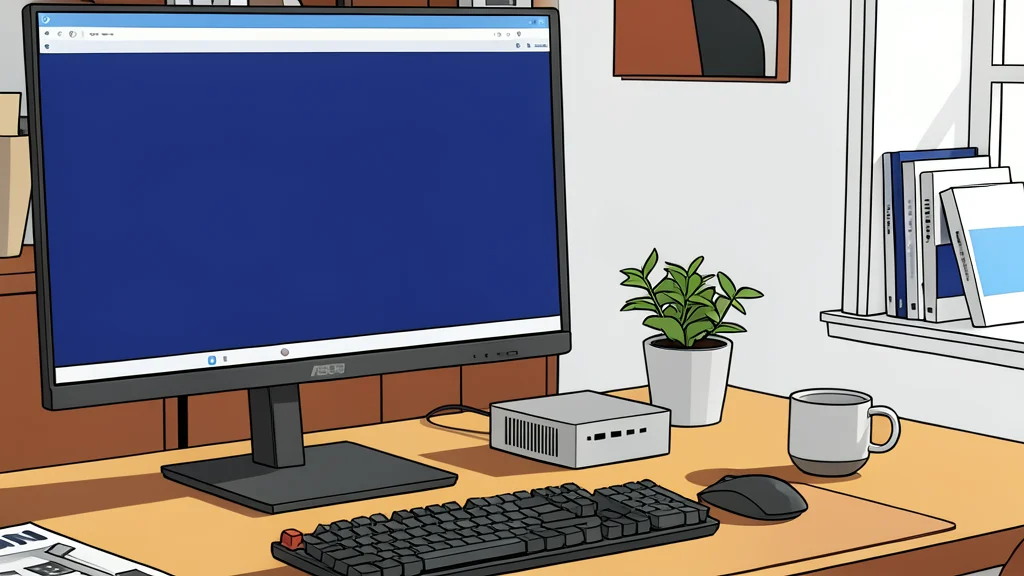
Asus has introduced the Ascent QN10, one of the first mini PCs to utilize the Qualcomm Snapdragon X2 Elite processor. This 18-core chip is paired with Adreno X2-90 graphics, offering a compact alternative to traditional desktop towers. The device occupies only 0.7 liters of space and is available in the US for $1,350 and up.
While the compact size and modern architecture are appealing, the price point places it in a competitive segment against larger desktops. Users must consider whether the efficiency and space savings justify the cost, especially if they require high-end graphical performance for intensive tasks. The limited availability of similar models in this size class makes it a notable option for those seeking a small footprint.