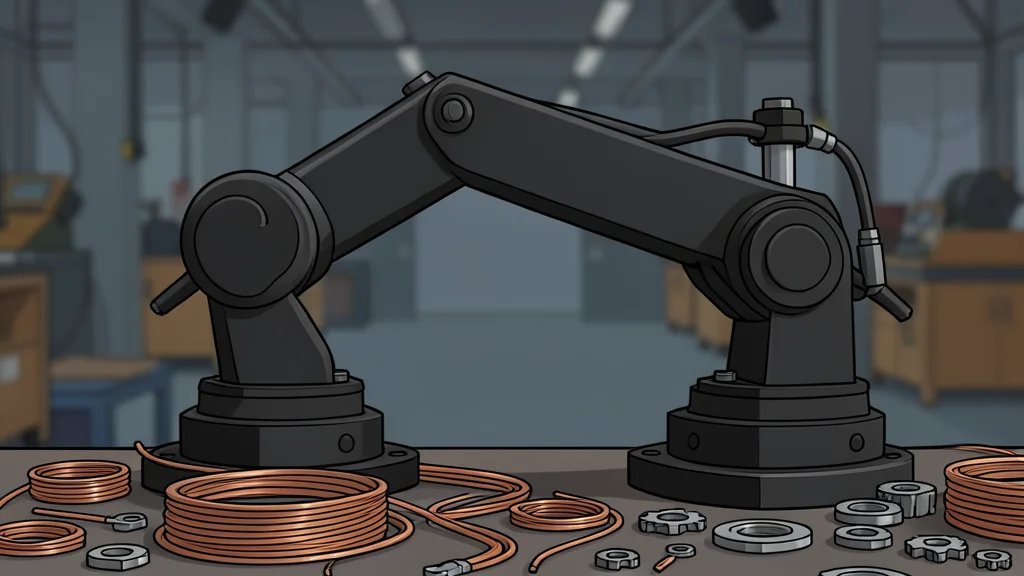
Dongfeng Plans Humanoid Robot Trial Production by Year-End
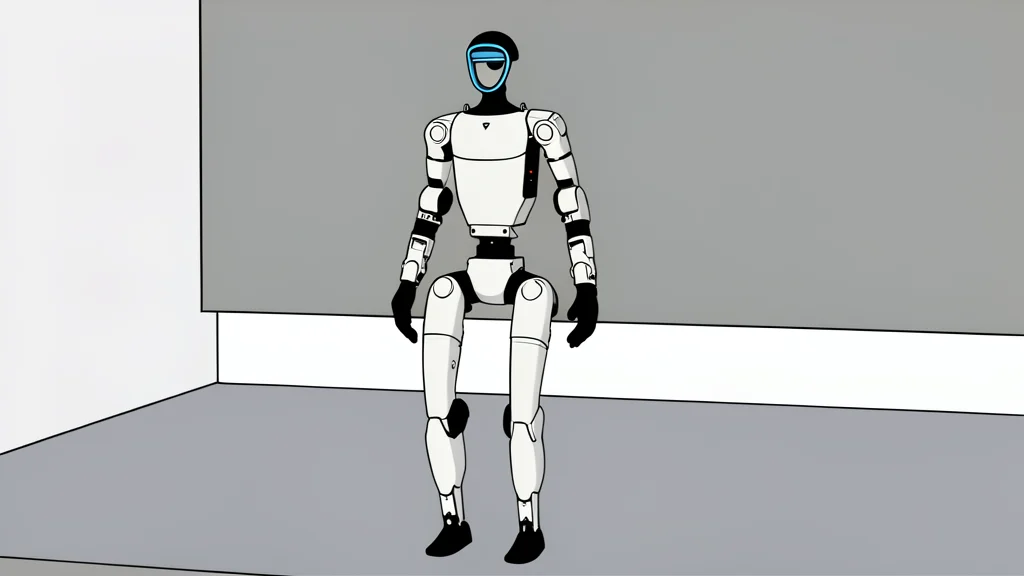
Dongfeng Motor aims to start small-batch production of its humanoid robot by late 2026, targeting capabilities comparable to human workers by 2027, while deploying its robot dog for commercial services earlier this year.
Dongfeng Motor is preparing to enter the humanoid robotics market with a concrete timeline that mirrors the broader rush by Chinese automakers into embodied intelligence. The company plans to begin small-batch trial production of its humanoid robot, named Xiaodong, by the end of this year. This move positions Dongfeng alongside competitors like Xpeng and Chery, who are also leveraging their automotive supply chains to accelerate robot development.
The primary goal is to deploy these machines in manufacturing settings, specifically for sorting and quality inspection tasks. According to Zhang Zhenlin, chief engineer of intelligent technology at Dongfeng, the company intends to match the working capabilities of human workers by the end of 2027. This aggressive schedule relies on the reuse of automotive AI models and manufacturing expertise, a strategy designed to speed up commercialization and reduce costs.
Robot Dogs Lead Commercial Deployment
While the humanoid robot is the headline act, Dongfeng’s quadruped robot, Yuanzai, will reach commercial use sooner. The robot dog is slated for immediate deployment in scenarios such as customer guidance at dealerships and campus patrols. This approach allows the company to generate real-world data and refine its autonomy algorithms in less complex environments before tackling the dexterity challenges of humanoid tasks.
Yuanzai features autonomous navigation and multimodal perception, making it suitable for smart services where interaction with humans is frequent. By starting with the simpler robot dog, Dongfeng can validate its core AI stack without the high risk and cost associated with bipedal locomotion. This staggered rollout strategy is a common trade-off, prioritizing early market entry and data collection over the immediate complexity of fully human-like robots.
Manufacturing Focus And Technical Goals
Xiaodong is specifically engineered for material sorting in automotive manufacturing. The robot is currently undergoing continuous validation in factory settings, with the aim of evolving from single repetitive actions to fully autonomous flexible operations. This focus on industrial utility rather than general-purpose consumer use reflects a pragmatic approach to initial deployment, where reliability and precision are more critical than broad adaptability.
The technical roadmap emphasizes the integration of large language models developed for vehicles. By applying these automotive AI models to robotics, Dongfeng seeks to streamline the development process. However, the catch is that automotive AI is often optimized for structured environments like roads, whereas factory floors require different precision in object manipulation. Bridging this gap will be the central engineering challenge for the next two years.
Industry Context And Market Trends
Dongfeng’s timeline is part of a wider trend where Chinese automakers view robotics as a natural extension of their core business. Xpeng, for instance, began operating a humanoid robot production line in September, with mass production targeted for late this year. Similarly, Chery’s incubated unit, Aimoga Robotics, has already delivered over 3,000 units globally, signaling that the sector is moving from prototype stages to commercial scale.
This competitive landscape suggests that the next two years will be defined by rapid iteration and cost reduction. Automakers believe their strengths in supply chain management and high-volume manufacturing give them an edge over pure-play robotics startups. The result is a market where vehicles and robots increasingly share the same technological DNA, blurring the lines between transportation and embodied AI.