Figure AI CEO Calls Humanoid Robots a New Species of Intelligence

Brett Adcock claims Figure is creating a new form of life, not just machines, despite current reliability limits in unstructured environments.
Key points
- Figure AI CEO Brett Adcock describes his company's robots as a new species of intelligence, not just machines.
- The Figure 03 robot recently sorted over 100,000 packages in a live event, highlighting industrial capability.
- Mass production is targeted for 2026-2027, but current models still struggle with reliability in unstructured home environments.
Brett Adcock, the founder and CEO of Figure AI, has described the company’s humanoid robots as a "new species" rather than traditional machines. Speaking at the Dreamforce event, Adcock embraced a provocative framing that suggests these devices are evolving into a distinct order of intelligence designed to replace manual labor.
The statement, highlighted by TechRadar, marks an aggressive shift in how robotics leaders present their technology. While the industry has long focused on utility and efficiency, Adcock’s language implies a more fundamental change in the role of physical AI within society, aiming to redefine the boundary between human work and automated assistance.
Redefining the nature of robotic intelligence
During a discussion with Salesforce CEO Marc Benioff, Adcock affirmed that the goal is not merely to build sophisticated tools, but to create a new category of entities. This perspective moves beyond the standard view of robots as software-controlled hardware, suggesting instead that the integration of AI and physical form creates something qualitatively different.
However, this ambitious vision conflicts with the current reality of the technology. Despite the grand rhetoric, today’s most advanced humanoid robots often struggle with basic tasks in uncontrolled environments. Failures in simple household chores or sporting demonstrations remind observers that the gap between promotional claims and consistent, real-world reliability remains significant.
Production timelines face real-world reliability tests
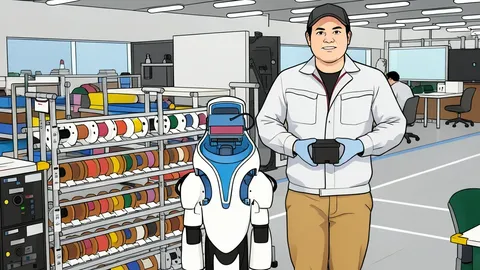
Figure AI has gained attention for polished videos showing its prototypes tidying bedrooms and loading dishwashers. More recently, the Figure 03 robot sorted over 100,000 packages in a live-streamed event without human help, demonstrating capability in structured industrial settings. Yet, manufacturers acknowledge that moving from controlled warehouses to unpredictable homes presents a far greater technical challenge.
The industry is preparing for mass production between 2026 and 2027, with initial deployments focused on industrial logistics. While companies insist they eventually want to target domestic use, the trade-off is clear: the current technology is optimized for repetitive, predictable tasks rather than the nuanced, variable demands of a household. The leap from a successful package-sorting demo to a reliable home assistant is not yet proven.
Audacious claims versus practical limitations
The push to label these machines as a "new species" serves a dual purpose: it elevates the brand’s stature and sets high expectations for investors and consumers. However, it also raises the stakes. If the technology fails to deliver the promised level of autonomous intelligence in daily life, the gap between the narrative and the product could lead to significant disappointment.
Ultimately, the coming years will determine whether this is a genuine evolution in physical AI or a marketing strategy to outpace the hardware’s actual capabilities. As production ramps up, the focus will shift from visionary statements to the hard metrics of reliability, safety, and utility in the real world.