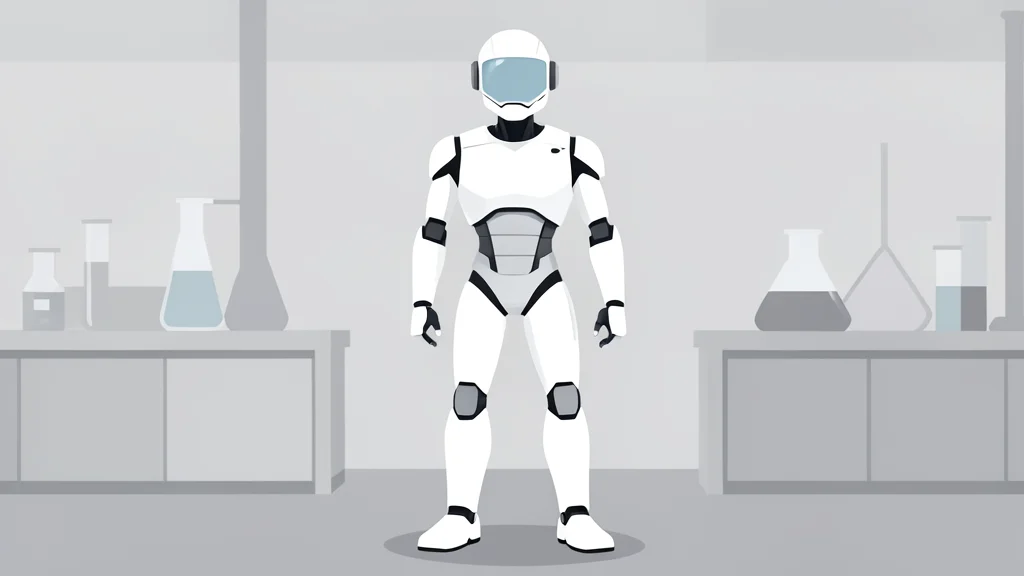
Humanoid Robots Are Mastering the Basics of Driving
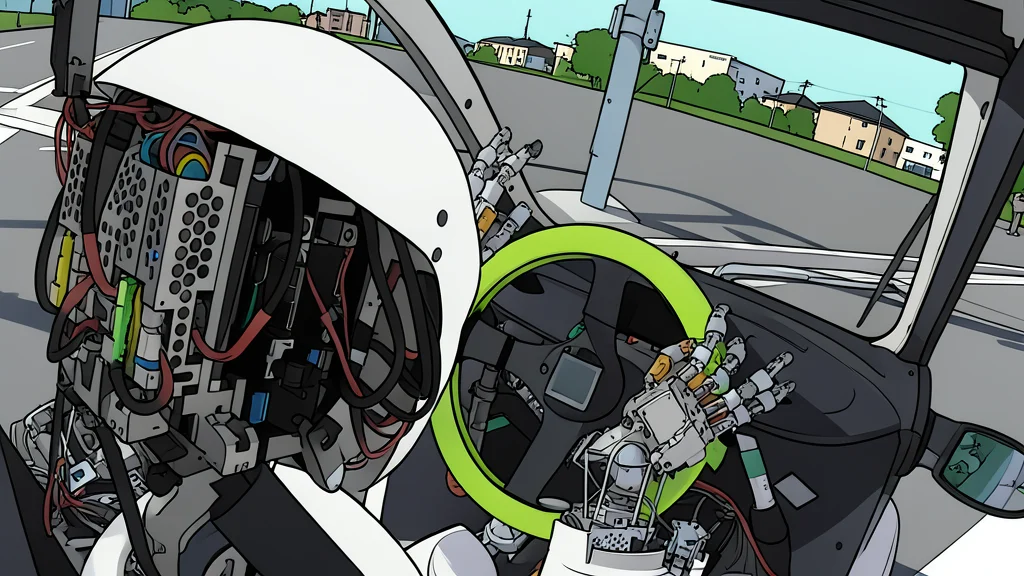
A University of Tokyo robot has moved beyond slow test speeds to handle real-world driving tasks. This progress suggests that physical robot drivers may arrive earlier than many predict.
Researchers at the University of Tokyo have demonstrated that a humanoid robot can successfully operate a standard passenger vehicle. The project, known as Musashi, has evolved from a low-speed prototype into a system that can interpret traffic signals and navigate intersections. While the initial 2024 version was limited to three miles per hour, recent technical papers indicate significant improvements in how the robot processes speed and controls the pedals.
The development is significant because it bridges the gap between autonomous software and physical hardware. Unlike traditional self-driving cars that rely on fixed sensors and proprietary dashboards, a humanoid driver uses a body schema similar to a human’s. This approach could allow existing vehicles to become autonomous without requiring a complete redesign of the interior or the installation of expensive, specialized computing units.
The robot uses human-like physical cues
Musashi is designed to interact with a car the way a person does. It turns a steering wheel, presses the accelerator and brake pedals, and activates turn signals. A recent study published in Advanced Intelligent Systems highlights that the robot uses a dynamic body schema, which means it adjusts its physical movements based on the vehicle's current speed. This allows for smoother control rather than rigid, robotic inputs.
The trade-off in this design is the complexity of the mechanical limbs. While a human driver can adapt their grip or pedal pressure intuitively, the robot must calculate these adjustments in real-time. If the hardware fails or the sensor input is delayed, the risk of error is higher than in a purely digital autonomous system that does not rely on moving parts for control.
Industry interest in physical drivers is growing
The progress in Tokyo is not happening in isolation. Other major players in the automotive and tech sectors are exploring similar concepts. Daimler Truck has filed patents for a humanoid robot capable of operating heavy-duty trucks, suggesting that the technology could scale to commercial logistics. Meanwhile, advancements in general robot control, such as those seen in recent models from Google DeepMind, show that controlling an entire robotic body from head to toe is becoming increasingly feasible.
This trend indicates a shift in how the industry views autonomy. Rather than building entirely new vehicles, companies are looking at retrofitting existing ones with robotic operators. This could lower the barrier to entry for autonomous transport, as it does not require the massive infrastructure changes needed for sensor-heavy self-driving cars. However, it does require robust manufacturing of humanoid figures, which remains a costly and technically challenging endeavor.
The path to widespread adoption is long
Despite the technical strides, widespread deployment is still years away. The current versions of these robots are expensive and require precise calibration. The jump from a controlled test environment to the chaotic reality of city streets is substantial. Regulatory frameworks for a humanoid driver are also non-existent, meaning there are no clear legal guidelines for liability or operation in public traffic.
The primary catch is reliability. A digital system can be updated remotely, but a physical robot with moving joints is susceptible to mechanical wear and failure. Until the cost of these units drops and their reliability matches that of current autonomous software, they will likely remain a niche solution. For now, the robot driver is a promising proof of concept, but not yet a practical replacement for human or standard autonomous vehicles.