Toronto Lung Trials Begin Next Year to Reduce Organ Rejection
Human trials in Toronto will test gene and stem cell edits on donor lungs to lower rejection rates.
Key points
- Trials in Toronto will test gene and stem cell edits to reduce lung rejection.
- 80% of donor lungs are currently unsuitable, and patients face lifelong drug risks.
- The goal is to create organs the body recognizes as its own.
Human trials are set to begin in Toronto next year to test a new approach for lung transplants. The procedure aims to use gene and stem cell therapies to make donor organs less likely to be rejected by the patient's immune system.
Dr. Shaf Keshavjee, the surgeon leading the effort, describes this as a critical first step. The ultimate goal is to create an organ that the body recognizes as its own, eliminating the need for lifelong immunosuppressant drugs.
Repairing lungs outside the body
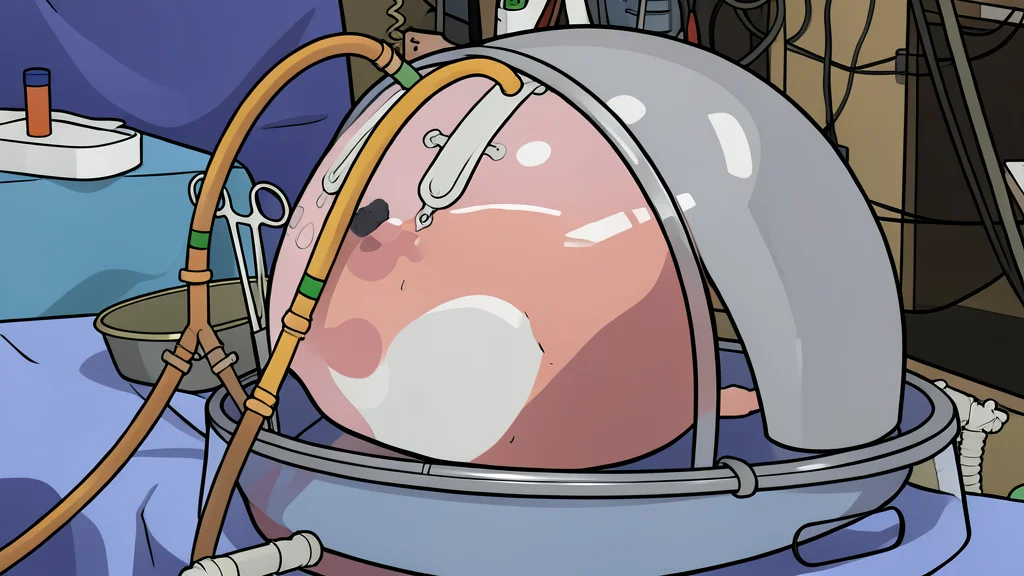
The technique builds on Ex Vivo Lung Perfusion, a process that allows donor lungs to breathe outside the body for up to 12 hours. During this window, doctors can assess the tissue and apply treatments to repair damage before the organ is transplanted.
According to CTV News, Keshavjee explains that this external repair is a foundation for future in vivo treatments. He envisions a future where damaged lungs can be fixed directly inside the patient, removing the need for a donor organ entirely.
High rejection rates remain a barrier
Lung transplants face significant hurdles, with about 80 percent of donor lungs deemed unsuitable for use. Patients who do receive a transplant have a median survival of roughly six and a half years, often battling the body's natural attempt to reject the new organ.
Keshavjee acknowledges that transplantation is not a normal solution to a difficult problem. He plans to explain to trial participants that the new therapies are designed to help their bodies accept the donor lung more readily.
Future options for organ sources
Beyond improving existing donor lungs, the team is exploring alternative sources for organ tissue. This includes growing new organs from stem cells or using artificial and animal-derived lungs lined with human cells.
These diverse approaches aim to address the chronic shortage of viable donor lungs. The long-term vision is a system where patients can receive functional lungs that require no immunosuppression, fundamentally changing the landscape of transplant medicine.