California Signs Six Bills to Speed up EV Charger Rollout
Governor Newsom signed legislation to streamline permitting and cut costs for electric vehicle infrastructure across the state.
Key points
- Governor Newsom signed six bills to streamline EV charger permitting and cut costs for apartment buildings.
- New laws require transparency in zero-emission truck incentives and allow solar canopies to reduce grid strain.
- Industry leaders say the measures are critical to building over 400 new chargers daily through 2030.
Governor Gavin Newsom has signed a package of six bills designed to accelerate the expansion of electric vehicle (EV) infrastructure in California. The legislation aims to reduce administrative barriers that have slowed the installation of public and private charging stations. By streamlining the permitting process, the state intends to make clean transportation more accessible for residents and businesses alike.
The new laws target specific friction points in the current system, including redundant fees for apartment buildings and lack of transparency in truck charging incentives. Industry leaders and lawmakers argue that these changes are necessary to meet aggressive climate goals. The measures also prioritize the integration of renewable energy sources, such as solar canopies, directly into charging site designs to reduce reliance on the grid.
Streamlining permits for residential charging
A central focus of the new legislation is removing unnecessary costs associated with installing chargers in multi-unit dwellings. Assemblymember Pilar Schiavo, who authored AB 1820, noted that previous regulations imposed extra fees on apartment buildings, which are critical sites for EV adoption among renters. The new law ensures that permit costs remain consistent, preventing developers from passing inflated expenses onto residents or delaying installations.
This change is particularly significant in urban areas where many Californians do not have access to home driveways. By standardizing the process, the state hopes to encourage property managers to install chargers more readily. Advocates emphasize that this step is vital for making EVs a practical option for the majority of households, not just those with single-family homes.
Enhancing grid resilience and transparency
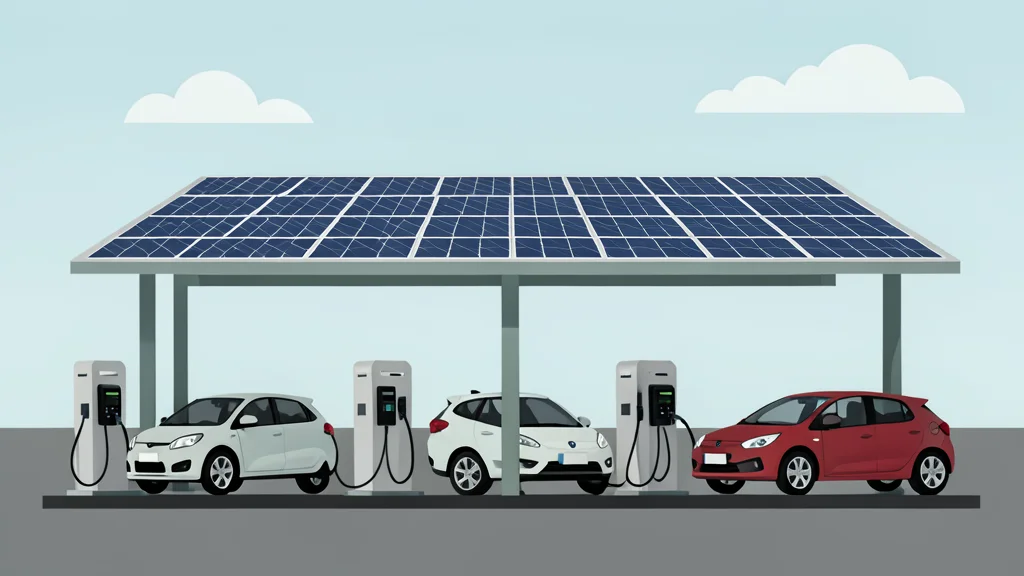
Senate Majority Leader Angelique Ashby highlighted SB 1283, which allows charging stations to incorporate renewable energy storage components like solar canopies and on-site batteries. This provision is designed to reduce the strain on the local power grid during peak charging hours. It also extends the reach of EV infrastructure to rural areas where grid capacity may be limited, ensuring that clean energy solutions are viable statewide.
Additionally, Senator Eloise Gómez Reyes pointed to SB 969 and SB 1213, which introduce greater accountability for zero-emission truck operators. These bills require clearer pricing structures and incentive reporting, ensuring that public funds are used efficiently. By demanding transparency, the state aims to prevent cost-shifting and ensure that taxpayers receive tangible value from their investments in clean transportation infrastructure.
Industry response to regulatory shifts
Matthew Chen of the Electric Vehicle Charging Association stated that meeting California’s goals requires building over 400 new chargers daily through 2030. With federal support receding, state-level efficiency becomes critical. Chen praised the Governor and Legislature for addressing permitting delays and cutting unnecessary costs, which he described as essential for maintaining the pace of deployment in a challenging budget environment.
Senator Ben Allen emphasized the proactive nature of SB 1267 and SB 615, which establish frameworks to support the growing infrastructure needs of the EV market. He noted that setting these standards now will help the state manage the industry's expansion effectively. The collective view among stakeholders is that these regulatory adjustments provide the clarity and stability needed to sustain long-term growth in the electric vehicle sector.