Cartels Tap Hydro Power for Secret Crypto Farms
Mexican police seized a hidden cryptocurrency farm in the Puebla mountains, revealing how organized crime groups are using stolen electricity to launder funds and mine digital assets.
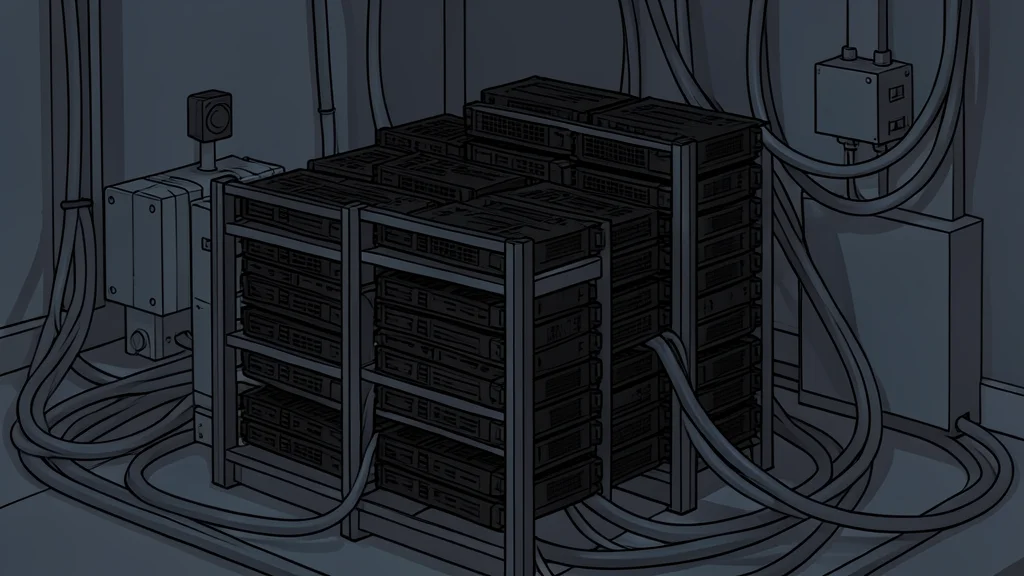
Law enforcement officials in Mexico have uncovered a clandestine cryptocurrency mining facility hidden in the mountainous region of Puebla. The site, located in the town of Tlaola, contained approximately 300 graphics processing units, industrial transformers, and satellite communication equipment. This discovery marks the fourth such facility found in the area in recent months, signaling a shift in how local drug cartels manage their finances.
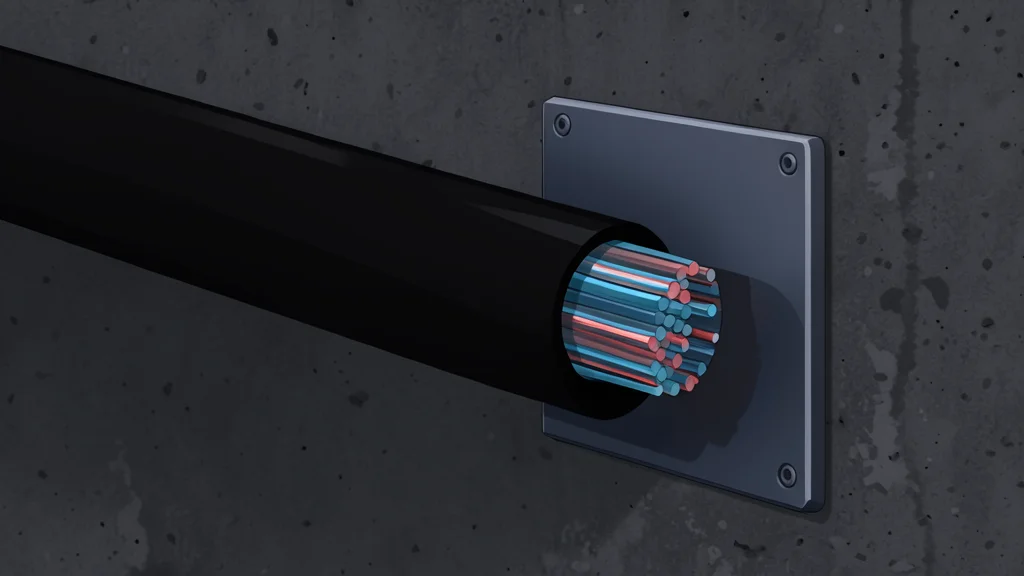
The operation likely drew significant power by secretly tapping into the grid of the nearby Presa de Necaxa hydroelectric dam. While consumer-level mining has largely declined, organized crime groups have stepped in to exploit cheap, stolen electricity for large-scale digital asset production. As reported by Tom's Hardware, this trend reflects a broader diversification of cartel income streams beyond traditional drug trafficking.
Stolen Power Fuels Digital Laundering
Cryptocurrency mining is energy-intensive, making it an attractive target for groups that can bypass utility billing. By connecting directly to industrial infrastructure, these operations avoid the costs that shut down legitimate miners. The seized equipment included medium-voltage terminations and heavy-duty transformers, indicating a setup designed for high throughput rather than casual use.
Security analysts note that this method allows cartels to convert illicit cash into digital assets, which are then used for global transactions and further laundering. The integration of mining into criminal portfolios creates a complex web of financial flows that is difficult for regulators to track. This economic diversification reduces the immediate pressure on drug trade profits while expanding the group's financial reach.
Remote Locations Offer Operational Cover
The choice of location is strategic. Tlaola is a small community where the noise from cooling systems and transformers can be heard from a kilometer away, yet the facility went undetected for a significant period. Remote areas with weak local governance and strong cartel presence provide the necessary protection and access to cheap power sources. Neighbors reported the unusual sounds, suggesting that local awareness may have eventually led to the raid.
The proximity to the hydroelectric dam is a critical factor. Access to abundant, low-cost renewable energy makes these sites viable for large-scale mining operations. However, the reliance on stolen power creates a vulnerability. Grid anomalies and excessive draw can alert utility companies or authorities, especially in isolated regions where power usage patterns are less variable and easier to monitor.
Global Rise in Illicit Mining
This incident is part of a wider global trend. Similar raids have occurred in Brazil, the United States, and Thailand, indicating that illicit mining is not confined to one region. Blockchain analytics firms report a sharp increase in illicit crypto transactions, driven by sanctions evasion and money laundering. The sophistication of these operations is growing, with cartels employing specialized hardware and secure communication links.
The trade-off for these groups is significant risk. While the financial gains from mining can be substantial, the infrastructure required is bulky, noisy, and energy-hungry. These factors make the sites difficult to hide and easy to detect if authorities are looking. The seizure of such equipment disrupts the operation and provides evidence for broader investigations into the financial networks of organized crime.