Apple's New Square Smart Display Arrives with Limited Screen Size
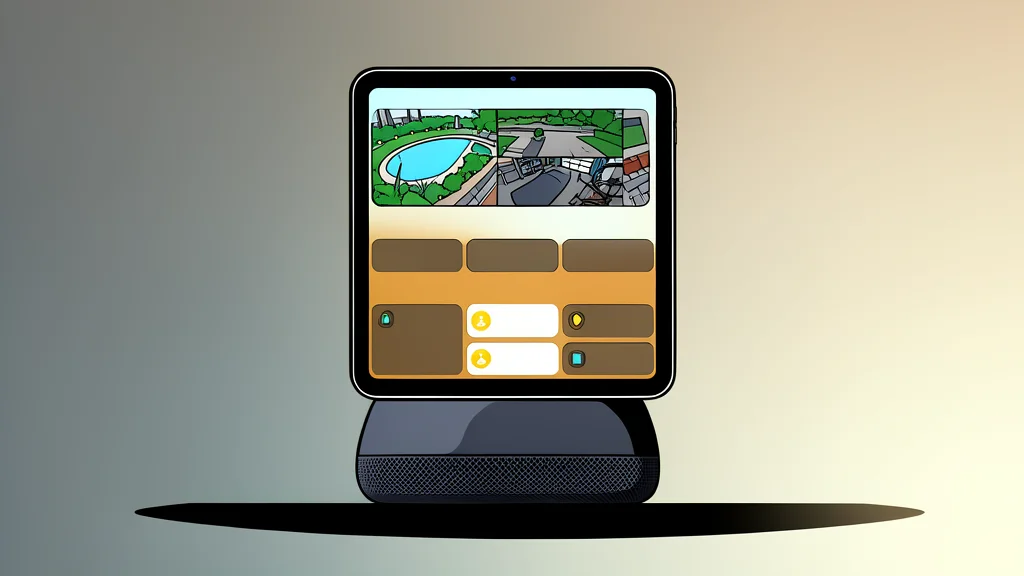
Apple is set to reveal a compact smart home hub this October. The device uses a smaller screen than rivals and requires an iPhone for full setup.
Key points
- Apple's new smart home display is expected to launch this October with a square screen smaller than Amazon Echo models.
- The device uses a custom Siri AI operating system that integrates features from iOS, tvOS, and watchOS for home management.
- Full functionality and initial setup require a paired iPhone, limiting its use as a completely standalone appliance.
Apple is preparing to launch its long-awaited smart home display, with a reveal expected this October. The device, currently undergoing internal testing, is designed to serve as a central hub for managing household accessories, handling video calls, and accessing Apple services. It represents a significant shift in how the company approaches the living room, moving beyond the traditional speaker model.
According to reports from freeyork.org, the product will feature a distinct, square-shaped screen. This design choice results in a display that is noticeably smaller than the screens found on competing devices like the Amazon Echo Show. While this compact form factor may suit tight spaces, it limits the visual real estate available for watching media or viewing detailed app interfaces.
Compact screen offers limited visual space
The physical design prioritizes a minimal footprint over a large canvas. Users should expect a device that is less suited for immersive video streaming compared to larger competitors. The square shape is consistent across the rumored tabletop and wall-mounted variants, suggesting a unified aesthetic strategy for the home ecosystem.
This sizing decision creates a trade-off. While the device will be less obtrusive on a shelf or counter, the reduced screen area may feel cramped for users who rely on their smart display for extended media consumption. The focus remains on utility and control rather than entertainment scale.
Siri powers the new interface
The device runs on a custom operating system built around Siri AI. This system integrates visual elements from iOS, tvOS, and watchOS, providing a familiar interface for existing Apple users. The AI is designed to handle complex tasks, such as searching across multiple devices and executing in-app actions without requiring physical interaction.
A key feature is the ability to recognize household members during video calls. Unlike Face ID on iPhones, this recognition does not rely on depth-sensing technology. Instead, it uses standard camera data to personalize content, showing relevant appointments or media preferences to the person on screen.
iPhone dependency limits standalone use
One of the primary catches for potential buyers is the device's reliance on an iPhone for initial setup and certain connected functionalities. It is not fully standalone; without a paired iPhone, users will miss out on key features that integrate with the broader Apple ecosystem. This dependency means the device is best suited for households already invested in Apple hardware.
The display acts as a home-centric hub alongside the Apple TV and HomePod. It handles intercom communication and smart home management, but it does not replace the smartphone for complex personal tasks. Users should view it as a complementary tool rather than a complete replacement for mobile devices.