HYPERTUNE Automates PC Overclocking to Offset Rising Hardware Costs
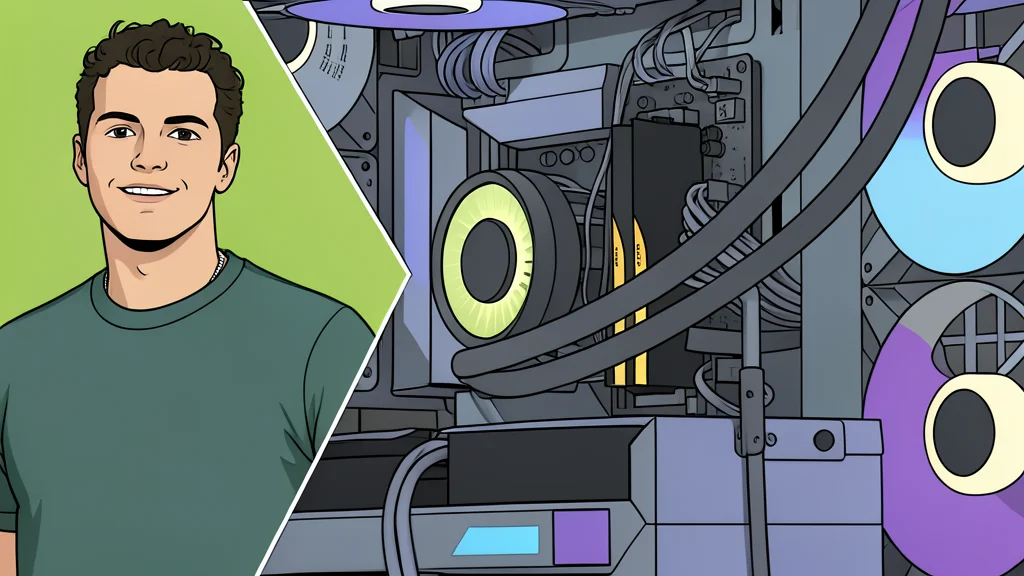
A new tool aims to squeeze more performance out of existing processors, offering a potential solution for gamers facing skyrocketing component prices.
As the cost of building or upgrading a PC continues to climb, a new software tool is attempting to help users extract maximum performance from the hardware they already own. HYPERTUNE, developed by Austin Copeland, a former esports coach turned CEO, automates the complex process of overclocking. This approach targets gamers who cannot afford to buy new, faster components but still need competitive frame rates.
Copeland’s background involves manually optimizing thousands of systems for professional players and organizations like TSM and FaZe Clan. He identified a recurring issue: even high-end setups often failed to sustain stable frame rates due to conservative factory settings. HYPERTUNE seeks to bridge the gap between professional-grade tuning and the average user, using algorithms that adjust processor speeds and voltages based on specific system limits rather than generic presets.
Automating complex manual tuning processes
Traditional overclocking requires deep technical knowledge to adjust core multipliers and voltage safely. HYPERTUNE simplifies this by first profiling the user’s system, including the CPU model, cooling capacity, and motherboard constraints. It then applies adjustments specifically tailored to that individual chip. According to reports from GN technics/hardware (en-US), the software supports both Intel and AMD platforms, aiming to find the highest stable performance without requiring the user to monitor temperatures manually.
The core value proposition is affordability. Copeland noted that hardware prices are rising, making it difficult for aspiring gamers to keep up with top-tier specs. By optimizing existing hardware, the tool provides a cost-effective alternative to purchasing new components. This is particularly relevant for competitive gamers who need consistent frame rates to match their monitor refresh rates, a standard that stock settings often fail to meet.
Balancing performance gains with stability
While increased performance is the goal, stability remains a critical trade-off. Overclocking pushes processors beyond their factory limits, which can lead to crashes or data corruption if not managed correctly. HYPERTUNE addresses this by running stability tests before and during operation. The software monitors temperatures and clock speeds in real-time, ensuring that the system does not exceed safe operating parameters. If instability is detected, the tool is designed to revert to previous settings.
However, no automated tool can guarantee perfect stability in every scenario. A system that passes initial stress tests may still encounter issues in specific games due to unique software interactions. Copeland acknowledges this limitation, emphasizing that the software includes crash detection and restore points to mitigate risk. The catch is that while the tool reduces the barrier to entry, it does not eliminate the inherent risks of pushing silicon beyond its rated specifications.
Addressing rising hardware costs
The rising cost of PC components is a significant driver for tools like HYPERTUNE. As prices for CPUs, GPUs, and RAM continue to rise, many users are reluctant to upgrade their entire systems. By offering a way to gain performance from existing hardware, the software provides a practical solution for those on a budget. This approach aligns with a broader trend in the gaming community to maximize value from current equipment rather than chasing the latest releases.
For the average user, the benefit is clear: better performance without the financial burden of a full system upgrade. For professionals and competitive gamers, it ensures that their hardware performs consistently under pressure. While the tool does not remove the need for quality cooling and a stable power supply, it removes the guesswork from the tuning process. This makes high-level optimization accessible to a wider audience, potentially extending the useful life of many current PC builds.