The Hidden Costs of Smart Ring Health Tracking

Smart rings promise effortless health monitoring without the distraction of a screen, but the full picture involves significant ongoing costs and technical limitations.
The appeal of a smart ring is its simplicity. It sits on your finger, tracks your sleep and heart rate automatically, and stays out of the way. Unlike a smartphone, it has no screen to pull you into social media or endless notifications. For people who want to monitor their health without feeling glued to a device, this form factor offers a genuine advantage. It reduces the cognitive load of managing a gadget while still collecting useful biometric data.
However, the initial purchase is only the beginning of the financial commitment. As reported by GN auto tech/wearables, many leading models require a separate monthly or annual subscription to unlock their most important features. This means that even after paying hundreds of dollars for the hardware, you may still need to pay recurring fees to access basic health insights like blood oxygen levels or detailed sleep analysis. The true cost of ownership is significantly higher than the sticker price suggests.
Subscription Fees Limit Core Functionality
Take the Oura Ring, one of the most popular options on the market. The latest version starts at $399, with premium colors costing even more. But that is not the end of the expense. To use key features such as blood oxygen sensing, advanced sleep tracking, and personalized health insights, users must pay for a membership. The annual cost is roughly $70, or about $6 per month. Without this subscription, the ring becomes a limited device, unable to provide the full picture of your health that users expect.
There are alternatives that do not require a subscription, such as the Samsung Galaxy Ring or the Circular Ring 2. These models cost between $349 and $399 upfront. While they avoid recurring fees, they still represent a significant investment. Cheaper options, like the Amazfit Helio Ring at $150, exist but often compromise on battery life and sensor accuracy. The trade-off is clear: you either pay for premium hardware and software, or you accept a reduced feature set.
Data Access Requires a Smartphone
One of the main selling points of a smart ring is that it is screen-free and distraction-free. It allows you to monitor your health without the temptation of scrolling through apps. But there is a catch. To actually see the data the ring collects, you need to use a smartphone app. The ring itself cannot display any information. This means that while you are not looking at a screen on your finger, you are still relying on your phone to retrieve the insights. The goal of reducing screen time is partially undermined by the need to check your device regularly.
Accuracy and Fit Are Key Concerns
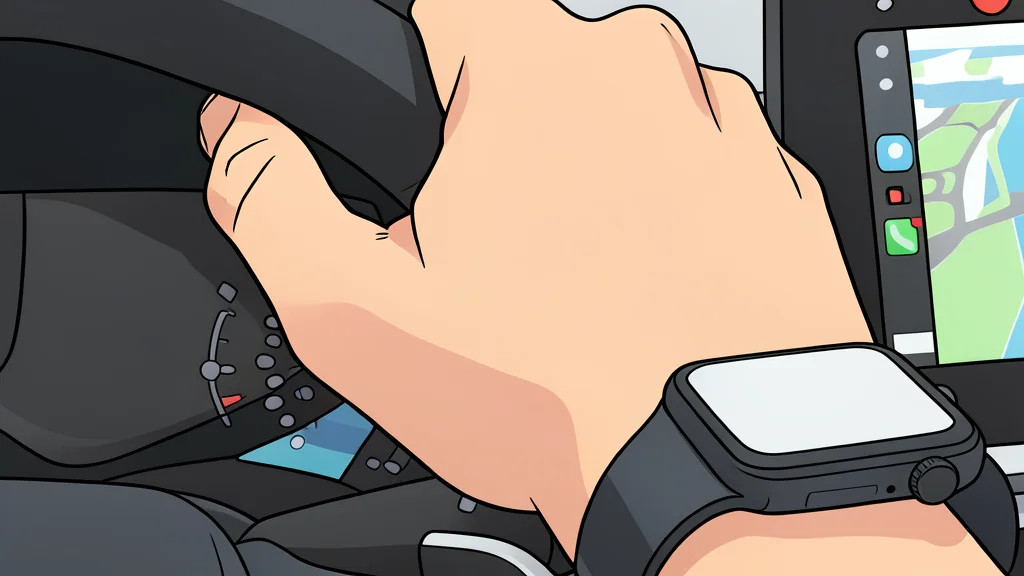
Another limitation is the accuracy of the sensors. Because the ring sits loosely on your finger, it may not track heart rate as precisely as a wrist-worn watch or a chest strap. Wrist-worn devices can be tightened against the skin, ensuring a stronger signal. A ring, by design, cannot be tightened. This can lead to gaps in data or less reliable readings, especially during intense physical activity. For many users, this trade-off between comfort and precision is a significant factor to consider before buying.
Ultimately, a smart ring is a niche product. It works best for people who prioritize discretion and simplicity over detailed, real-time data. If you are willing to pay for the hardware and potentially a subscription, and if you do not mind checking your phone for results, it can be a useful tool. But for those looking for a comprehensive, low-maintenance health tracker, the costs and limitations may outweigh the benefits. It is worth thinking carefully about what you actually need from a wearable before making the purchase.