Local-First Photo Tools Replace Cloud Subscriptions

Rising cloud costs and privacy concerns drive users toward self-hosted photo management tools that offer greater control over data.
Key points
- Local-first photo management consolidates scattered files into a single centralized archive to reduce digital chaos.
- Modern software uses AI and metadata to automate organization, replacing time-consuming manual folder structures.
- Self-hosted solutions eliminate subscription fees but require users to manage their own hardware and server maintenance.
For many digital users, the promise of effortless cloud storage has begun to fade. Rising subscription fees, intrusive advertisements, and strict plan limits are pushing people to reconsider their reliance on services like Google Photos and Apple iCloud. Instead, a growing segment of the tech community is turning to local-first solutions. This shift represents a fundamental change in how personal archives are managed, prioritizing direct control over convenience.
The core of this movement is the rejection of fragmented storage. Rather than scattering gigabytes of media across smartphones, laptops, and external drives, users are consolidating their libraries onto a single, centralized source of truth. As reported by nerdbot.com, this approach combines the security of owning your own hardware with the automation features of modern software. The result is a system that reduces digital chaos while eliminating monthly recurring costs.
Consolidating storage avoids digital chaos
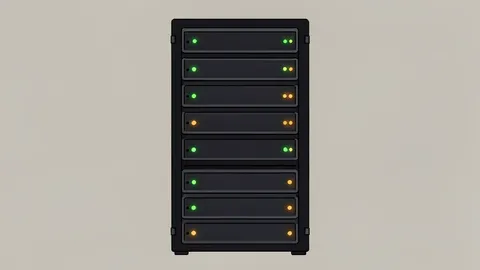
Fragmentation is the primary enemy of an organized photo library. When files are split across multiple devices, locating a specific memory becomes a tedious search. The local-first model addresses this by establishing a single primary archive, often on a Network-Attached Storage device or a dedicated PC. To safeguard against hardware failure, experts recommend the 3-2-1 backup rule: keeping three copies of data on two different types of media, with one copy stored off-site. This method ensures redundancy without the complexity of managing multiple cloud accounts.
This centralized approach also simplifies the workflow. Instead of manually sorting thousands of files into rigid folder hierarchies, the system relies on a single entry point for all media. This reduces the cognitive load on the user, who no longer needs to remember which device holds which specific vacation photo. The trade-off is the initial setup effort required to configure the local server and ensure all devices can communicate with it seamlessly.
Automation replaces manual folder sorting
Traditional photo management often involved creating complex directory structures, such as year, month, and event type. This manual process is time-consuming and prone to error. Modern local-first software replaces these rigid folders with metadata indexing and artificial intelligence. The software automatically groups photos by date, location, and facial recognition. Users can browse their archive through an interactive map or by selecting a specific person, without ever needing to move a file into a subfolder.
A critical component of this automation is the automatic filtering of low-quality content. Smartphones capture hundreds of blurry shots, accidental screenshots, and duplicate images daily. Local AI tools can detect and flag these files for deletion or archiving before they clutter the main library. This entry-point filter ensures that the archive remains lean and relevant. However, users must still make final decisions on what to keep, as the software cannot always perfectly distinguish between a blurry artistic shot and a failed photo.
Self-hosted tools demand technical skill
The market offers various options for implementing this local-first strategy, ranging from user-friendly desktop applications to complex self-hosted servers. Tools like Mylio Photos offer peer-to-peer synchronization between devices, while open-source options like digiKam provide powerful metadata handling without a subscription fee. For those seeking a full replacement for cloud services, platforms like Immich and PhotoPrism offer self-hosted alternatives that mimic the interface of major cloud providers. These solutions are free to use but require significant administrative effort to install and maintain.
The choice of software depends heavily on the user's technical comfort and budget. One-time purchase licenses provide long-term savings compared to annual subscriptions, but they may lack the continuous updates and customer support of paid cloud services. Self-hosted solutions offer the highest level of control and privacy, as no data leaves the user's home network. The catch, however, is that the user becomes their own IT department, responsible for server uptime, security patches, and data recovery. For many, this trade-off is worth the independence from corporate subscription models.