CIPRA.ai and Murata Partner on AI Wearables for Chronic Care
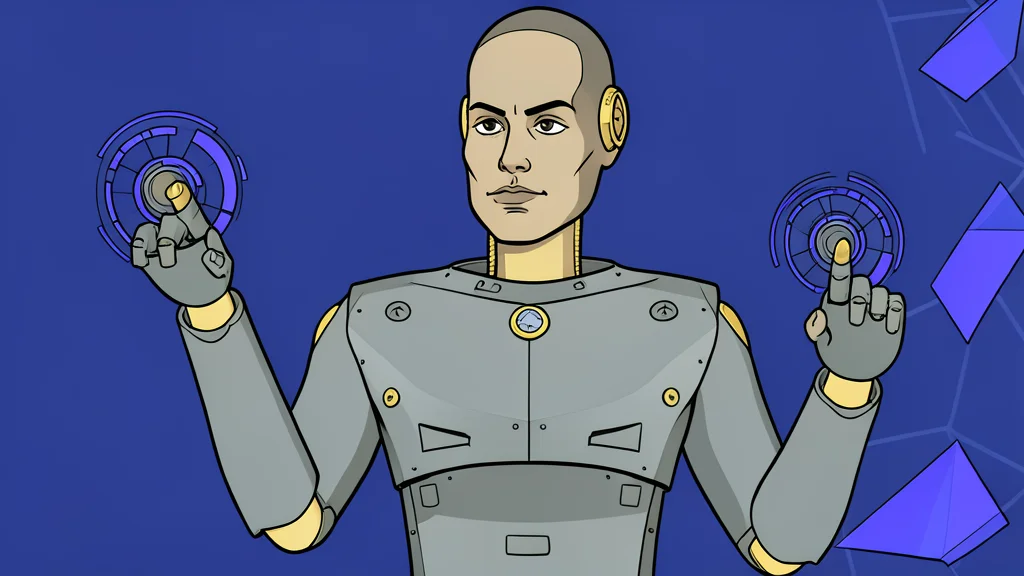
The collaboration aims to shift chronic disease management from reactive treatment to continuous, predictive monitoring using digital twins.
Key points
- CIPRA.ai and Murata are collaborating to develop AI-powered wearables for chronic disease management.
- The system uses digital twins to provide personalized, predictive insights rather than reactive alerts.
- The partnership aims to reduce hospitalizations and lower total healthcare costs through proactive monitoring.
CIPRA.ai has joined forces with Murata, a major supplier of electronic components, to develop next-generation wearable devices for managing chronic illnesses. The partnership focuses on integrating advanced sensor technology with CIPRA.ai’s digital twin platform to create a more proactive approach to patient care.
As reported by AiThority, the initiative seeks to move healthcare away from traditional reactive models where treatment occurs only after symptoms appear. Instead, the goal is to use continuous data streams to predict potential health issues before they become critical, thereby improving long-term outcomes for patients.
Shifting From Reactive To Predictive Care
Traditional wearables often provide raw data that requires manual interpretation or offer generic alerts. This new system aims to address that limitation by using artificial intelligence to analyze real-time physiological data continuously. The platform is designed to adapt to each individual’s unique health profile, generating personalized insights rather than one-size-fits-all recommendations.
Sujit Dey, founder of CIPRA.ai, stated that the integration of Murata’s sensing technologies allows for earlier intervention in chronic conditions. By monitoring patients more effectively, the system aims to reduce avoidable hospitalizations and improve disease control, marking a significant step toward value-based healthcare models.
Technical Integration And System Goals
The collaboration combines Murata’s expertise in advanced electronic components with CIPRA.ai’s software architecture. This hardware-software synergy is intended to unlock new possibilities in personalized healthcare by transforming raw sensor data into meaningful clinical insights. The system is built to help health plans lower total costs of care while accelerating the adoption of preventive strategies.
Mehul Udani, Vice President at Murata, emphasized the shared vision of leveraging technology to support patient engagement. The goal is to provide healthcare organizations with tools that not only monitor health but also drive better outcomes through intelligent, data-driven decision-making processes.
Trade-Offs In Continuous Monitoring
While the promise of continuous, AI-driven monitoring is significant, it introduces complexities in data privacy and system reliability. The transition to such sophisticated wearables requires robust infrastructure to handle constant data streams without compromising patient security. Additionally, the effectiveness of these devices depends heavily on the accuracy of the underlying sensors and the adaptability of the AI models.
For now, this remains a collaborative exploration rather than a finished product available to the general public. The success of this venture will hinge on its ability to deliver tangible improvements in rural and urban healthcare settings while maintaining affordability and ease of use for patients.