Garmin CIRQA Tracker Costs $200 with Legacy Sensors
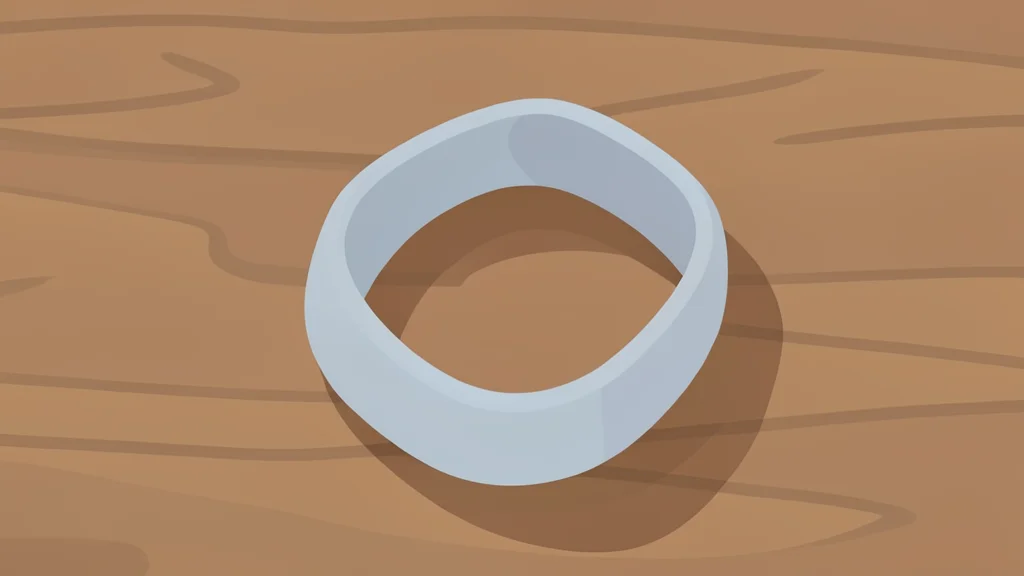
The new Garmin CIRQA offers basic health metrics at a premium price but relies on older sensor tech and requires a smartphone for GPS.
Key points
- The Garmin CIRQA costs $200 and uses older Gen 4 sensors, offering less precision than newer models.
- Lack of built-in GPS means users must pair the device with a smartphone for outdoor activity tracking.
- Battery life averages 7-8 days in real-world use, falling short of the advertised 10-day claim.
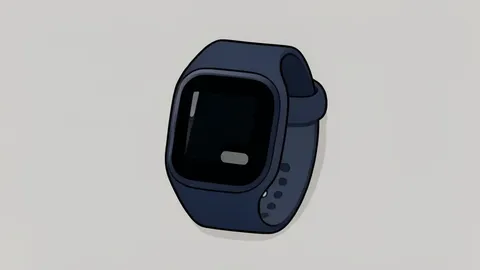
Garmin has introduced the CIRQA, a $200 health tracker that prioritizes comfort and simplicity over high-end functionality. The device targets users who want a lightweight option for daily wear, relying on a soft, quick-drying band and a minimalist design to blend into casual and active lifestyles. However, the high price tag sits awkwardly with the internal hardware, which uses older generation components rather than the latest technology available in the company's lineup.
As reported by Geeky Gadgets, the CIRQA is positioned as a bridge between basic fitness bands and full smartwatches. It delivers essential data such as heart rate and temperature, but it lacks the precision of newer sensor arrays. For many buyers, this combination of premium pricing and dated internals raises questions about value, particularly when compared to cheaper alternatives that offer similar core features.
Older Sensors Limit Precision
The core tracking functions are powered by Garmin’s Gen 4 sensors, a technology that has been superseded by the newer Gen 5 array in premium devices. While the Gen 4 hardware remains reliable for general monitoring, it does not deliver the advanced accuracy or detailed insights found in modern systems. Users seeking the most granular health data will find this a significant limitation, as the device cannot match the performance of top-tier competitors.
This technological gap is the primary trade-off for the device's lightweight form factor. The hardware is sufficient for tracking sleep and basic daily activity, but it falls short for users who demand high-fidelity metrics. The reliance on established, older technology means the CIRQA offers a safe, predictable experience rather than cutting-edge innovation.
Smartphone Dependency for Outdoor Use
A major functional gap is the absence of a built-in GPS chip. To track outdoor activities with location data, users must pair the CIRQA with a smartphone. This requirement adds a layer of inconvenience for runners or cyclists who prefer a standalone device. The dependency on a phone for GPS signals limits the tracker's utility for those who want to leave their device at home during workouts.
Additionally, the device features a single programmable button that allows for quick workout initiation. However, the customization options are limited, lacking advanced inputs like double-press commands. This simplicity aids in ease of use but reduces versatility for users who want to map multiple functions to the interface. The catch is clear: convenience is gained, but flexibility is lost.
Battery Life Falls Short of Claims
Garmin advertises a 10-day battery life for the CIRQA, but real-world usage averages closer to seven or eight days. This discrepancy, while not drastic, is noteworthy for users who rely on the device for extended trips without charging. The battery performance is adequate for daily use but does not quite meet the manufacturer's stated promise, potentially leading to frustration during long weekends or travel.
The physical design also presents a trade-off. The band uses a traditional pin-style mechanism, which feels outdated compared to modern quick-fit systems. Furthermore, the device's size, while accommodating a larger display, may be too bulky for users with smaller wrists. These design choices prioritize a certain aesthetic and display size over universal comfort and ease of strap changes.