Beijing Courts African Security Partners as US Maintains Regional Focus
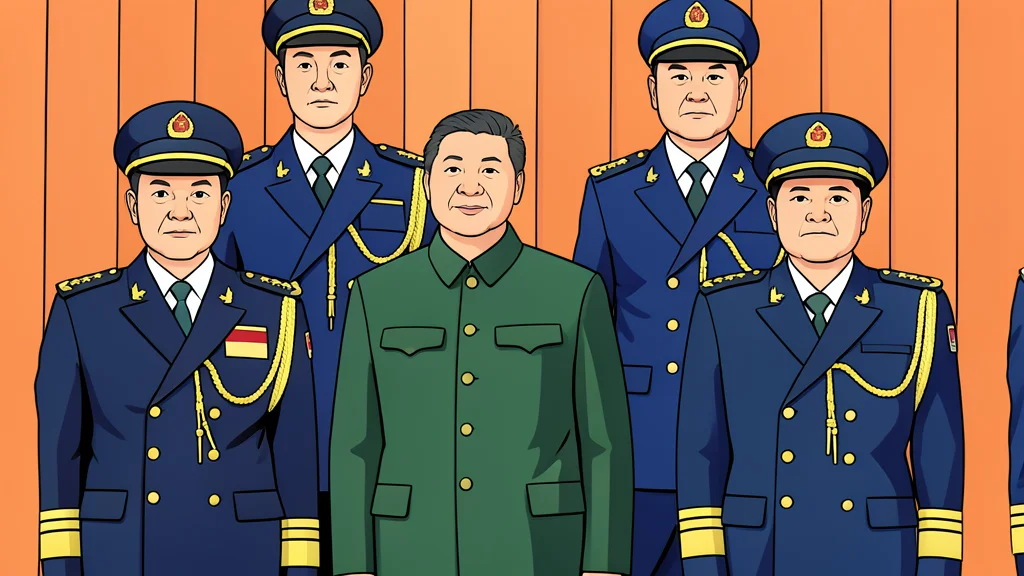
China has proposed a new framework for defense collaboration with 41 African nations, positioning itself as a key partner in combating terrorism and maritime instability.
Beijing has moved to formalize a broadened security partnership with 41 African countries, signaling a strategic shift in how the world’s third-largest military engages with the continent. According to reports from GN auto geopolitics/terrorism: counter terrorism, Chinese Defense Minister Dong Jun presented this initiative during a recent forum in Beijing, emphasizing that the relationship is rooted in mutual benefit and long-term cooperation. The proposal aims to create a structured platform for addressing persistent threats, including violent extremism and maritime insecurity that affect vital trade routes.
This diplomatic push occurs against a backdrop of continued American military activity in the region. While China focuses on building institutional frameworks for defense collaboration, the United States remains engaged in direct counter-terrorism operations and joint naval exercises. Both powers are responding to similar challenges, yet their approaches differ in emphasis, with Beijing highlighting sovereign development and Washington prioritizing immediate threat mitigation and regional stability.
Beijing Proposes Structured Defense Framework
During the fourth China-Africa Peace and Security Forum, Minister Dong Jun addressed military representatives and diplomats from the African Union. He stated that China is ready to work with African nations to safeguard high-quality development through enhanced security. The initiative goes beyond traditional diplomatic ties by offering targeted assistance to combat violent extremists and maritime threats. Analysts note that this structured approach allows Beijing to present itself as a reliable partner for long-term capacity building, appealing to nations that seek to diversify their security partnerships.
The proposed cooperation targets specific regional hurdles, including piracy, illegal fishing, and cyber risks to shipping. By framing these issues as shared challenges, Beijing positions its military support as a tool for fostering regional stability. This strategy aligns with broader Chinese foreign policy goals that link economic development with security assurance, offering an alternative to Western-led security architectures.
Washington Continues Active Counter-Terrorism Operations
In parallel, U.S. Africa Command has conducted targeted operations against insurgent groups in Somalia. Recent airstrikes near Quumbi were carried out to degrade the capabilities of al-Shabaab, a group that poses threats to regional stability and international forces. U.S. officials affirmed that these actions are part of a sustained effort to protect citizens and maintain order in volatile areas. These operations reflect a direct interventionist strategy focused on immediate threat reduction.
Beyond land-based counter-terrorism, the United States is deepening maritime security cooperation in North Africa. U.S. naval forces recently conducted joint exercises with Libyan special forces in Tunisia under the Phoenix Express program. Hosted by the Tunisian Navy, these drills focused on securing Mediterranean sea lanes against piracy and illegal activities. This collaborative approach underscores the U.S. commitment to maintaining open trade routes and enhancing the defensive capabilities of partner nations.
African Nations Seek Diverse Security Partners
African states are navigating complex security landscapes that include armed militant groups, terrorism, and maritime crime. Consequently, many nations are open to engaging with multiple global powers to secure their borders and trade interests. The competition between the U.S. and China for influence in African security is not zero-sum; rather, it reflects a continent that values strategic autonomy and seeks the most effective tools for addressing local threats.
As both superpowers intensify their engagements, the focus remains on how these partnerships evolve. The coming months will likely see further diplomatic exchanges and potential military deployments as Beijing and Washington refine their strategies. Observers will watch closely to see if the Chinese framework leads to tangible institutional changes or if U.S. operational support remains the primary driver of security outcomes in the region.