Slovak PM Blames West for Escalating Russia Conflict
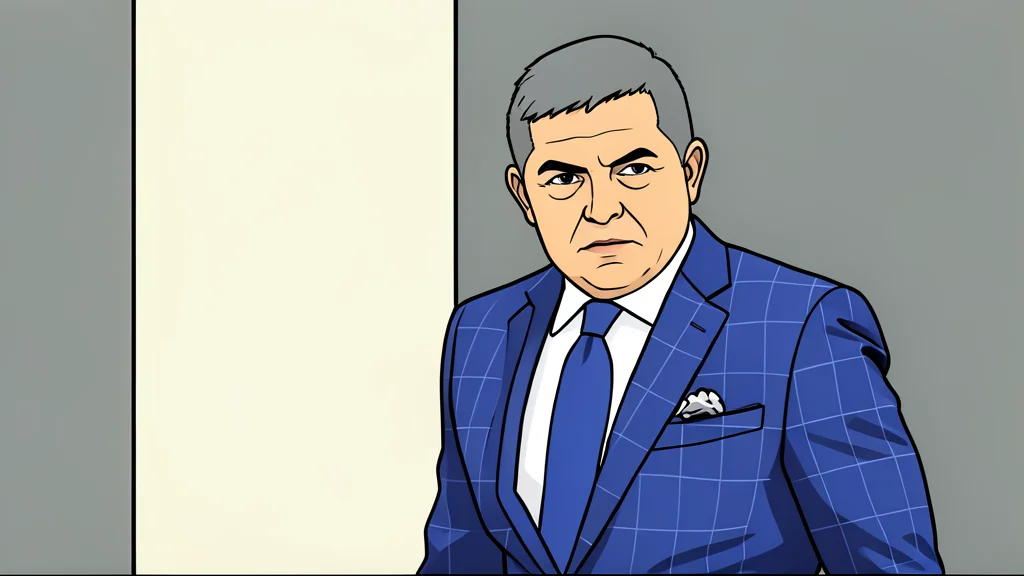
Prime Minister Robert Fico argues that Western support for Ukraine has prolonged the war and risks drawing NATO into a direct confrontation with Moscow, stating that Slovakia will not participate in such a conflict.
Slovak Prime Minister Robert Fico has issued a sharp critique of Western foreign policy, arguing that the sustained support for Ukraine has unnecessarily extended the conflict with Russia. In a recent video address, he asserted that Western politicians have "needlessly added fuel to the fire" for over four years, thereby creating conditions that could provoke a direct clash between Russia and NATO.
According to reports from GN geopolitics/nato, Fico contends that some Western leaders are now seeking to escalate tensions because their initial strategy of defeating Russia through Ukrainian forces has failed. He warns that this shift in approach poses a significant risk to European security, suggesting that the current trajectory may lead to a broader military engagement that neither side desires.
Accusations of Strategic Provocation
The Slovak leader expressed the view that if Ukraine cannot defeat Russia on the battlefield, there is a growing incentive among certain Western politicians to provoke a direct conflict. He stated that the failure to achieve a conventional victory through Ukrainian forces has led some to consider provocative measures. Fico emphasized that any such actions would be driven by national interests rather than a genuine desire for peace.
He further argued that those who seek to instigate a military conflict between NATO and Russia must bear full responsibility for their decisions. Fico insisted that these actions should not be shifted onto other NATO member states, highlighting the complex diplomatic dynamics within the alliance. His remarks reflect a deep skepticism about the intentions of Western policymakers regarding the war's trajectory.
Slovakia’s Stance on Military Involvement
Despite being a NATO member, Fico has clearly stated that Slovakia will not participate in a direct military conflict with Russia. He stressed that under his government, no Slovak soldiers will be sent abroad to fight against Russia or any other country under what he described as a fabricated pretext. This position stands in contrast to the collective defense principles outlined in NATO’s Article 5.
Fico acknowledged that Russia initiated the war by invading Ukraine but maintained that Russia cannot be defeated in a conventional war except through nuclear means. He warned against overestimating the potential for a conventional victory, suggesting that the risks of escalation are too great to ignore. This perspective underscores the cautious approach he is taking toward the ongoing conflict.
Context of Recent Diplomatic Moves
These comments come shortly after Fico cancelled a planned visit to Ukraine to attend the Carpathian Initiative summit, citing illness. Prior to the cancellation, he had expressed reluctance to allow the war to spill over into Slovakia, specifically referencing concerns about NATO’s Article 5. His recent statements reinforce his position that Slovakia should remain on the sidelines of any direct military engagement.
The prime minister also referenced figures cited by Polish Prime Minister Donald Tusk regarding Ukrainian military losses, suggesting that exaggerated casualty numbers might be used to justify increased Western aid. While he did not dispute the figures, he implied that the narrative around the war’s human cost could be manipulated to influence international support. This adds another layer to the complex discourse surrounding the conflict.