Djibouti Secures Control of Key Regional Logistics Hub
Djibouti has formally assumed management of a major humanitarian logistics base, marking a significant shift in regional food security architecture and the nation's strategic autonomy.
The government of Djibouti has officially taken over full management of a major humanitarian logistics base previously operated by the United Nations World Food Programme. This formal handover represents a pivotal transition, converting a decade-long international platform into a permanently nationally owned asset. According to reports from GN auto geopolitics/africa: Horn of Africa, the move reinforces Djibouti’s status as a premier logistics gateway for the region.
The facility, which has served as an operational anchor since 2016, is now under the oversight of the Ministry of Foreign Affairs and International Cooperation. Authorities state that this change will allow national bodies to streamline food stocks and enhance emergency response coordination. The base is positioned to establish a robust national food reserve, a development cited as critical for long-term sovereignty in the face of regional instability.
Strategic Shift Toward National Sovereignty
Abdoulkader Houssein Omar, the Minister of Foreign Affairs and International Cooperation, noted that the takeover directly supports the country’s long-term food sovereignty. He emphasized that amid escalating climate vulnerabilities, El Niño extremes, and chronic droughts, the platform will bolster national capacities to anticipate crises. The minister argued that controlling this infrastructure is essential for safeguarding strategic supply chains amidst ongoing regional population displacements.
Infrastructure Serving Regional Needs
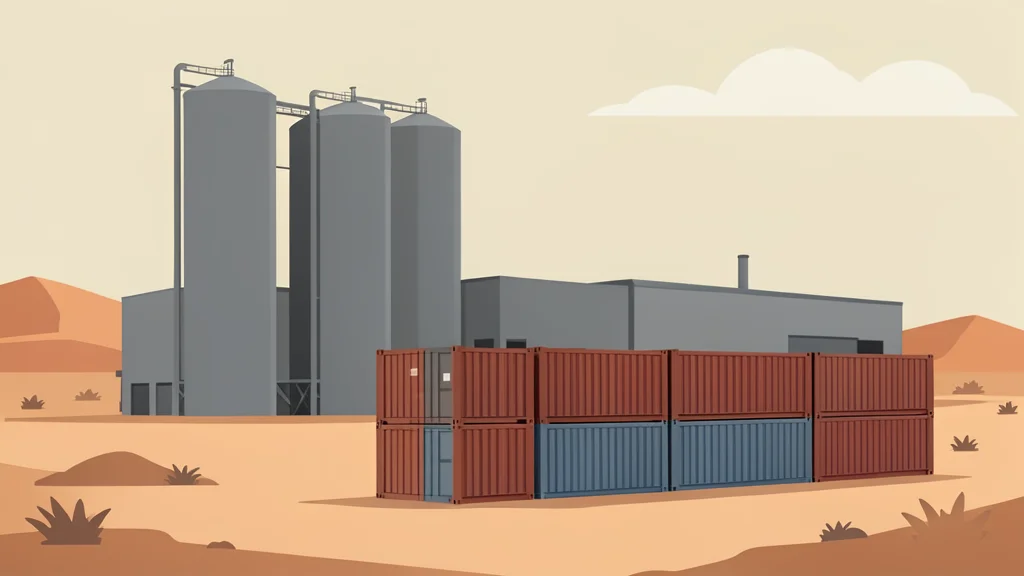
The logistics hub spans a massive 65,000-metric-ton capacity, featuring specialized bulk-grain silos, general warehouses, and secure container storage yards. During the severe 2022–2024 Horn of Africa drought, the facility acted as a central lifeline, storing and dispatching critical commodities that reached millions of affected individuals. Historically, the site has supported twelve distinct humanitarian organizations operating across Djibouti and Yemen, underscoring its role as a critical node in the regional aid network.
Transition Period and International Support
To guarantee a seamless operational transition, the WFP will provide six months of intensive technical assistance and specialized training in humanitarian facility management. The establishment and development of the base were made possible through backing from key international donors, including Canada, the United States, Norway, Finland, Japan, Saudi Arabia, and the European Union. This continued collaboration highlights the complex interplay between national control and international humanitarian support in the Horn of Africa.