Geneva Talks Test Rwanda and DRC Peace Implementation
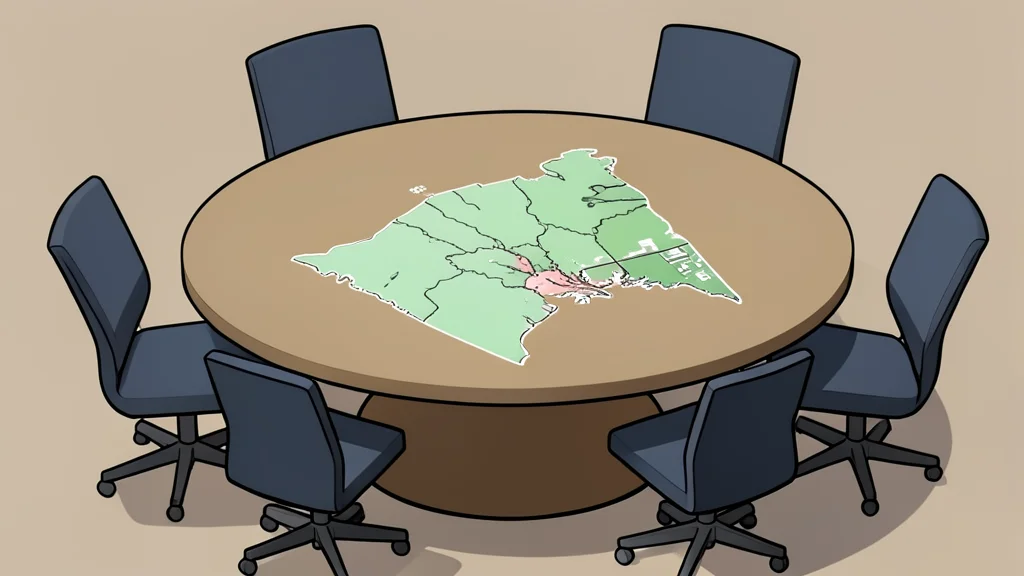
Officials from the Democratic Republic of the Congo and Rwanda are set to reconvene in Geneva to address stalled security commitments amid ongoing conflict in the east.
Diplomatic officials from the Democratic Republic of the Congo and Rwanda are scheduled to meet in Geneva on September 16 and 17 to review the progress of the 2025 Washington Accords. According to Al Jazeera English, the two-day session of the Joint Security Coordination Mechanism will be mediated by representatives from the United States, Qatar, Togo, and the African Union Commission. The primary objective is to assess whether the parties can make tangible progress on unresolved security issues that have persisted since the agreement was signed in late 2025.
The talks occur against a backdrop of continued armed conflict in eastern Congo, where key obligations under the peace process remain disputed. The agreement, which was reaffirmed in December, requires the DRC to neutralize the Democratic Forces for the Liberation of Rwanda (FDLR) and obliges Rwanda to disengage its forces and lift defensive measures. However, recent reports indicate that these central commitments have not yet been declared complete, leaving a significant gap between diplomatic intent and field reality.
Persistent violence in eastern Congo
Despite the diplomatic framework, fighting has continued in North and South Kivu, provinces bordering Rwanda, Uganda, and Burundi. A recent forecast by the Security Council Report notes that clashes between the Congolese Armed Forces and the M23 armed group remain active. The M23, which is not a direct party to the Washington Accords, has made significant territorial gains in 2025, including the capture of Goma and Bukavu. This escalation underscores the complexity of the region, where armed groups and state forces are deeply intertwined in a decades-long conflict.
Mutual accusations continue to drive the tension between Kinshasa and Kigali. Rwanda has long argued that the FDLR, a group with roots in the 1994 genocide, poses an existential security threat by operating from Congolese soil. Conversely, the DRC government has accused Rwanda of supporting M23 in its bid to seize territory and influence. These opposing narratives have stalled implementation, as each side questions the other’s compliance with the core security provisions of the accord.
Multilateral mediation efforts
The Geneva meeting is the latest installment in a broader diplomatic effort involving multiple international actors. The US State Department has emphasized that the Washington Accords aim to create a roadmap for peace, security, and economic growth through regional integration. In parallel, a Qatar-led dialogue between the DRC and M23 produced the Doha Framework for Peace, signed in November 2025. This dual-track approach seeks to address both the bilateral security issues between the two states and the wider insurgent threat in the region.
The Joint Security Coordination Mechanism, established to monitor and coordinate these commitments, has met several times since the accord’s signing. The August meeting saw the two sides agree to advance specific implementation steps, yet the underlying disputes remain unresolved. The involvement of mediators from diverse geopolitical backgrounds, including the African Union and Gulf states, reflects the high stakes involved in stabilizing a region critical to continental security.
Forward looking diplomatic milestones
As the September talks approach, observers will watch closely for any concrete declarations regarding the status of FDLR neutralization and the withdrawal of Rwandan defensive measures. The success of these negotiations will likely depend on the willingness of both parties to verify compliance independently and to engage in the parallel M23 dialogue. Ultimately, the outcome will test the durability of the Washington Accords and the effectiveness of the international mediation strategy in ending a conflict that has plagued the Great Lakes region for decades.