France Withdraws Criticism of U.S. After Diplomatic Standoff
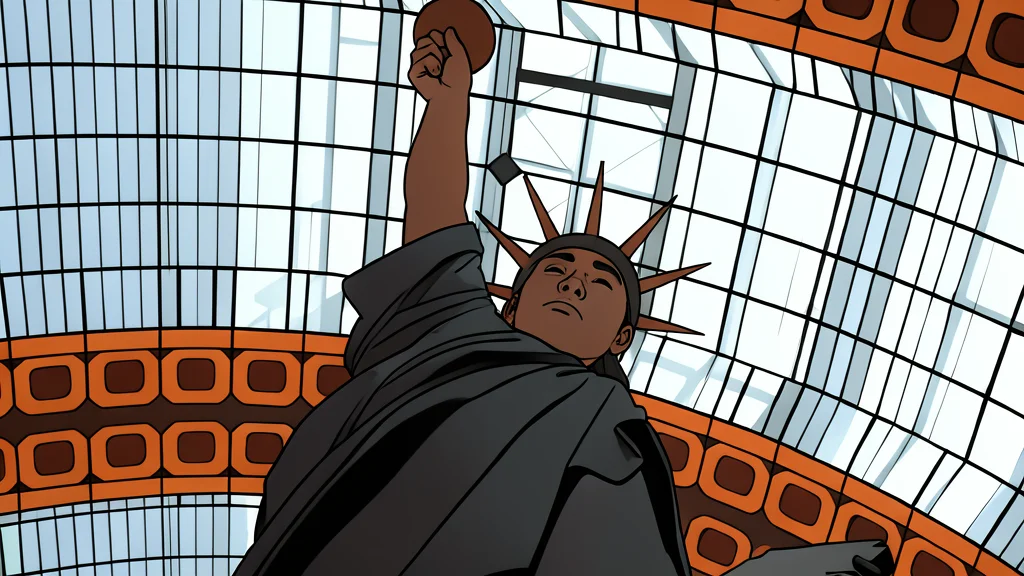
Paris has formally apologized for social media posts comparing the United States to North Korea, a move expected to unblock the stalled nomination of its next ambassador to Washington.
Paris has formally apologized for a social media post that drew sharp criticism from the United States, a concession that appears to resolve a seven-week diplomatic standoff. According to a senior U.S. official and a former French official familiar with the matter, the apology allows the nomination of Aurélien Lechevallier as the next French ambassador to Washington to proceed. The dispute began in late July after France compared the United States to North Korea and Russia in response to a vote on the United Nations human rights commission, a move that prompted the Trump administration to freeze the approval of the new envoy.
The incident highlights the growing tensions between Europe and the United States during the current administration, with both sides diverging on issues ranging from the future of Greenland to the postwar international order. The friction escalated after the U.S. mission to the United Nations criticized the reappointment of Volker Türk as high commissioner, leading France to post that the U.S. was isolated and no longer a beacon of human rights. The State Department subsequently lodged a formal protest and indicated that the ambassadorial appointment would not be approved until the matter was addressed.
Diplomatic tensions rise over human rights vote
The controversy erupted following a United Nations General Assembly vote that granted a second four-year term to Volker Türk, an Austrian lawyer, as head of the U.N. human rights commission. The United States opposed the decision, citing Türk’s criticism of Washington and Israel and what the U.S. viewed as a reluctance to condemn repressive governments. In response, the French mission in Geneva posted a message suggesting the U.S. had lost its moral standing, a statement that was later deleted by the Foreign Ministry. The U.S. delegation walked out of a session when a French diplomat addressed the chamber, and Ambassador Charles Kushner reportedly contacted President Emmanuel Macron to urge a defusing gesture.
Apology clears path for new ambassador
Lechevallier, a close adviser to President Macron, had been scheduled to replace outgoing ambassador Laurent Bili this month. U.S. officials made it clear that the host government would not approve the appointment until the offending post was addressed. While the State Department and the French Foreign Ministry declined to provide specific details on the apology, both sides indicated that the statement would swiftly resolve the impasse. A spokesperson for the French Foreign Ministry emphasized a commitment to moving the bilateral relationship forward, while a State Department official noted appreciation for the statement and a desire to work together on shared values.
Risk of digital diplomacy in strained relations
Since President Donald Trump’s return to the White House, the French Foreign Ministry has used social media to push back against critics, often with a humorous tone. The ministry maintains a popular account on X, which officials describe as a geopolitical tool for real-time reframing rather than mere trolling. However, this episode illustrates the risks of such an edgy approach when dealing with the current U.S. administration. According to GN geopolitics/rights (en-US), the situation underscores how digital communications can quickly escalate into serious diplomatic crises, requiring careful management to prevent lasting damage to bilateral ties.