Eritrea's Persistent Human Rights Crisis and the Search for Accountability
The UN Special Rapporteur has declared that crimes against humanity are ongoing in Eritrea, citing systemic repression and indefinite national service as core features of the state's governance.
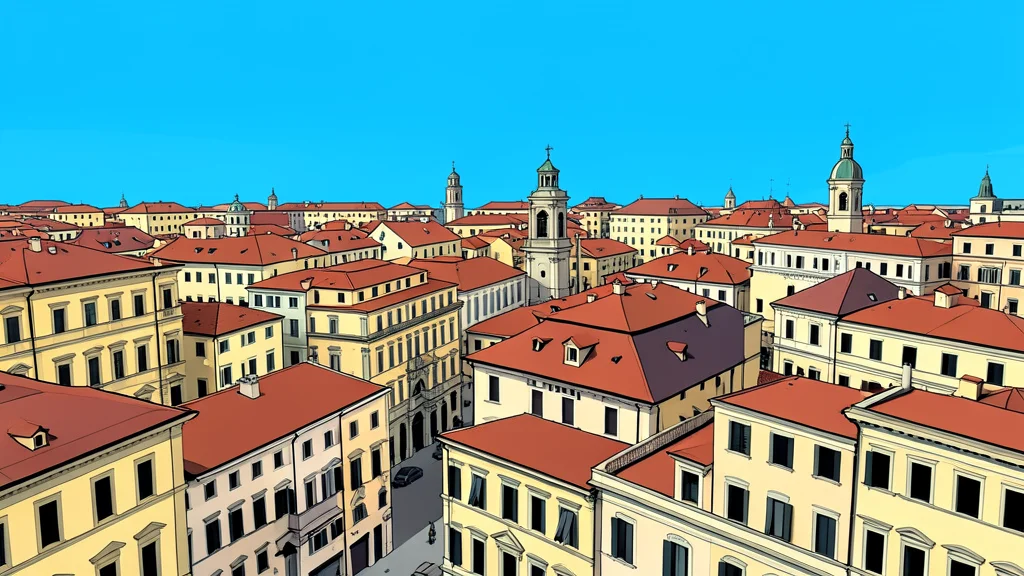
Three decades after gaining independence, Eritrea remains characterized by a rigid political structure that has not transitioned to democratic governance. While the country was once heralded by international observers for its potential and distinct high-altitude landscape, that optimism has been replaced by reports of severe institutional constraints. The nation lacks a functioning parliament, independent judiciary, or free press, leaving civil society with minimal space to operate or challenge the status quo.
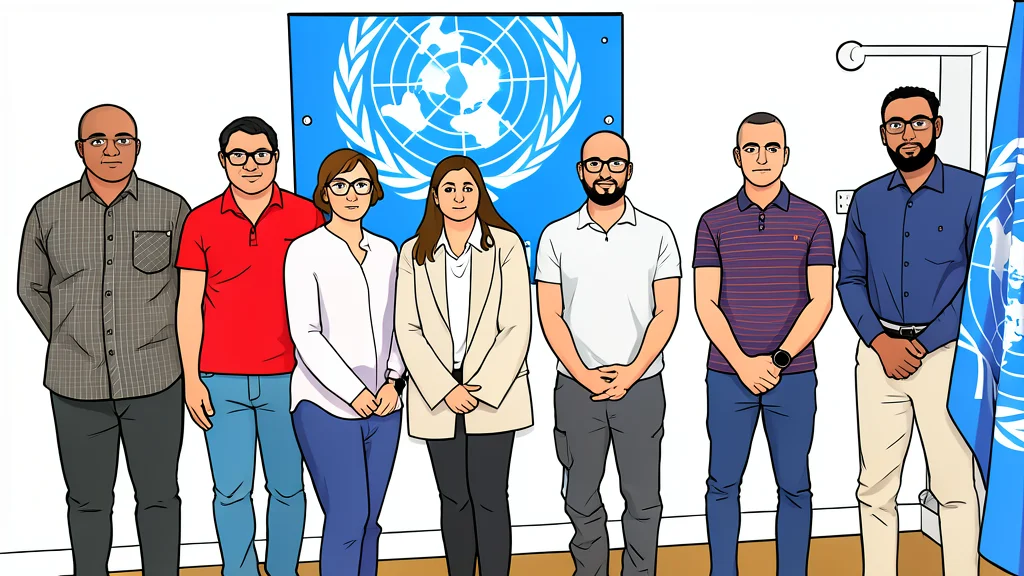
According to recent assessments by the United Nations, the human rights situation in the Horn of Africa state remains critical. Mohamed Abdelsalam Babiker, the UN Special Rapporteur, has stated that there are reasonable grounds to believe crimes against humanity are currently occurring. His findings highlight a pattern of systemic violations that include arbitrary detention, enforced disappearances, and the absence of rule of law, all of which sustain a cycle of impunity and state control.
Systemic Repression and Indefinite Service
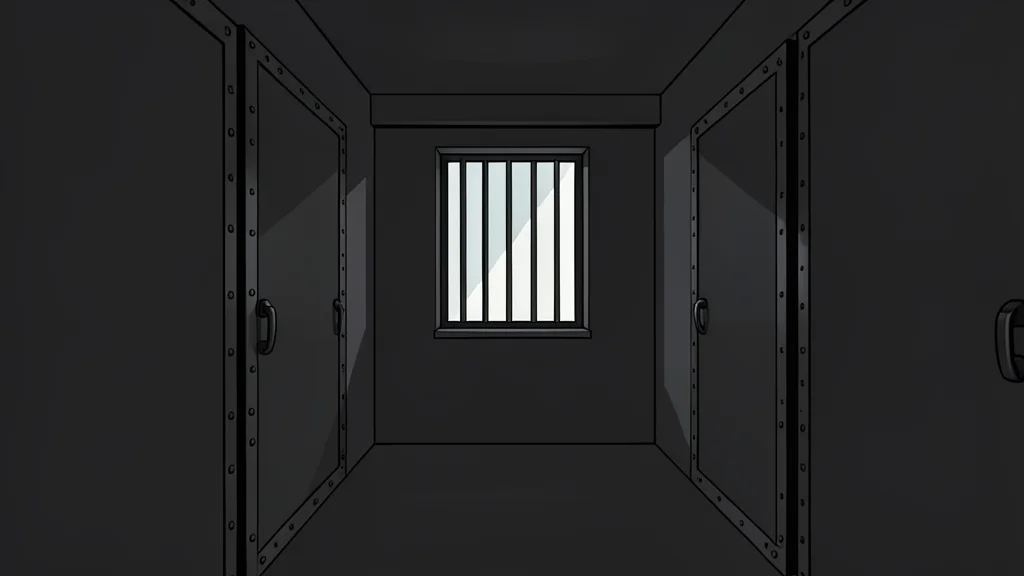
A central pillar of the current governance model is the requirement for indefinite national military service. This policy effectively deprives generations of young Eritreans of control over their education, employment, and family lives. Human rights advocates describe this as a mechanism that prevents the development of a stable civilian infrastructure and economic growth. The system compels citizens into long-term detention under the guise of service, with military prisons reportedly present in every part of the country.
Tadese Teklebrhan, co-founder of the Eritrean Human Rights Defenders NGO, has described the environment as one where the government controls all aspects of daily life. He noted that the economic situation is dire, with a lack of basic transportation and infrastructure. Many young people have fled the country through dangerous routes across Ethiopia, Sudan, and Libya to escape this system, often paying significant sums to traffickers in the process.
Enforced Disappearances and International Isolation
The UN Rapporteur has specifically identified enforced disappearance as a widespread and systematic practice in Eritrea. This includes the detention of religious leaders, politicians, and journalists, often without acknowledgment from the state. Authorities frequently deny the existence of these detainees and refuse to provide information on their whereabouts. Babiker emphasized that this concealment is a defining characteristic of the crimes being documented, with victims held incommunicado for decades.
Despite multiple requests, Babiker has never been granted permission to visit Eritrea to conduct his investigations on the ground. Consequently, his work relies on a remote network of families, refugees, and recent arrivals who provide testimonies under strict confidentiality. These accounts are described as harrowing, driven by the persistent fear of reprisals from the regime against those who speak out or are connected to the missing.
The Path Toward Justice
The prospect of justice for victims of these abuses remains uncertain given the current political landscape. With no independent legal framework to hold officials accountable, the international community continues to monitor the situation through diplomatic channels and human rights reports. The ongoing ban on international media and the lack of civil society space limit the ability to verify facts and advocate for change from within the country.
Looking ahead, the focus remains on whether international pressure can lead to any tangible reforms or increased accountability. Observers will be watching for any changes in the government's stance on national service or its willingness to engage with UN investigators. As noted in reporting by GN geopolitics/rights, the challenge lies in breaking the cycle of impunity that has defined Eritrea's post-independence era.