Iran Rebuilds Taleghan 2 Nuclear Site Amid Diplomatic Stalemate
Satellite imagery reveals rapid reconstruction efforts at the Parchin complex, prompting new concerns about Iran's nuclear ambitions and US strategic options.
Iran is actively reconstructing the Taleghan 2 facility within the Parchin military complex, a site with a long history of nuclear research, according to a recent assessment by the Institute for Science and International Security. The rebuilding effort, which began in June 2026, follows a second series of strikes in early March that damaged the hardened buried structure. Analysts note that the speed and scale of the repair work suggest a priority to restore the site’s defensive capabilities against aerial threats.
The facility has been struck twice in recent years, first in October 2024 and again in March 2026. The latest attacks utilized bunker-buster weapons that reportedly compromised the internal structure and caused surrounding buildings to collapse. Despite these significant damages, the site is now undergoing intensive rehabilitation, including the capping of penetration holes with concrete and the installation of new protective aprons. This rapid response underscores the strategic importance Tehran places on maintaining the integrity of this specific nuclear-linked infrastructure.
Obscuring Reconstruction Activities
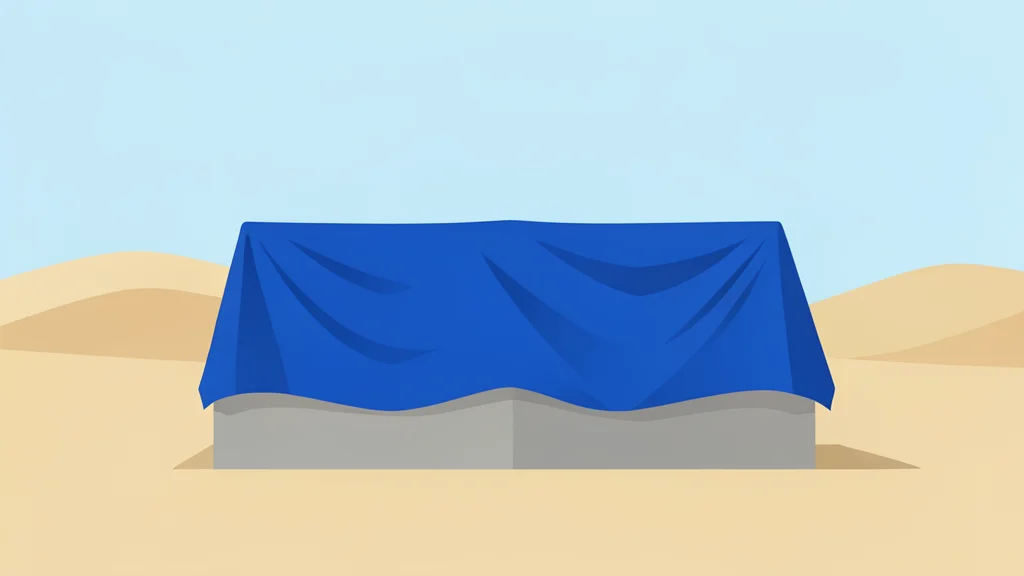
Satellite imagery from Vantor Technologies dated September 13 shows that a large industrial tarp has been erected over the construction zone. According to the monitoring institute, this cover is intended to obscure the activity from satellite and aerial observation. Heavy machinery, including dump trucks, bulldozers, and concrete mixers, is visible working beneath the tarp, indicating that significant construction is underway despite the visual screening.
The use of such coverings is a common tactic to limit the clarity of intelligence gathered by remote sensing. The institute noted that while the tarp hides the immediate work, the presence of heavy equipment and the scale of the concrete work remain evident. This method allows for continued reconstruction while complicating the assessment of the facility's current status and potential capabilities by external observers.
Parallel Activity at Pickaxe Mountain
In a separate development, the institute reported that Iran has added new soil coverage over tunnel entrances at Pickaxe Mountain, near the Natanz nuclear complex. This site has been a focal point of recent US warnings, with President Trump stating that the United States is aware of activity there and has the capability to strike it. The addition of soil and the maintenance of earthen roadblocks suggest that the facility is not in normal use but remains protected against aerial bombardment.
The strategic implications of these parallel developments are significant. While Taleghan 2 is being rebuilt above ground with visible infrastructure, Pickaxe Mountain is being further buried and concealed. This dual approach may reflect a strategy to maintain both visible deterrent capabilities and hidden, deeper underground facilities that are more resistant to conventional weapons. The continued investment in these sites raises questions about Iran's long-term nuclear posture and its response to external pressure.
Strategic Implications and Next Steps
The rapid reconstruction of Taleghan 2 and the fortification of Pickaxe Mountain highlight the ongoing tension between Iran and the United States over nuclear capabilities. According to the reporting from the GN auto geopolitics/middle-east: Iran nuclear desk, these actions are viewed as deeply concerning given the historical context of the sites. The window for straightforward military strikes may be narrowing as facilities become more deeply buried and better protected, according to some analysts.
The forward question remains how the international community will respond to these continued reconstruction efforts. With diplomatic channels strained and military options becoming more complex due to the depth and protection of the facilities, the next steps will likely involve a mix of increased surveillance, diplomatic pressure, and potential economic sanctions. The situation remains fluid, with the balance of power and the scope of Iran's nuclear program under close scrutiny.