Lula and Trump Prepare for UN Confrontation Ahead of Brazil Vote
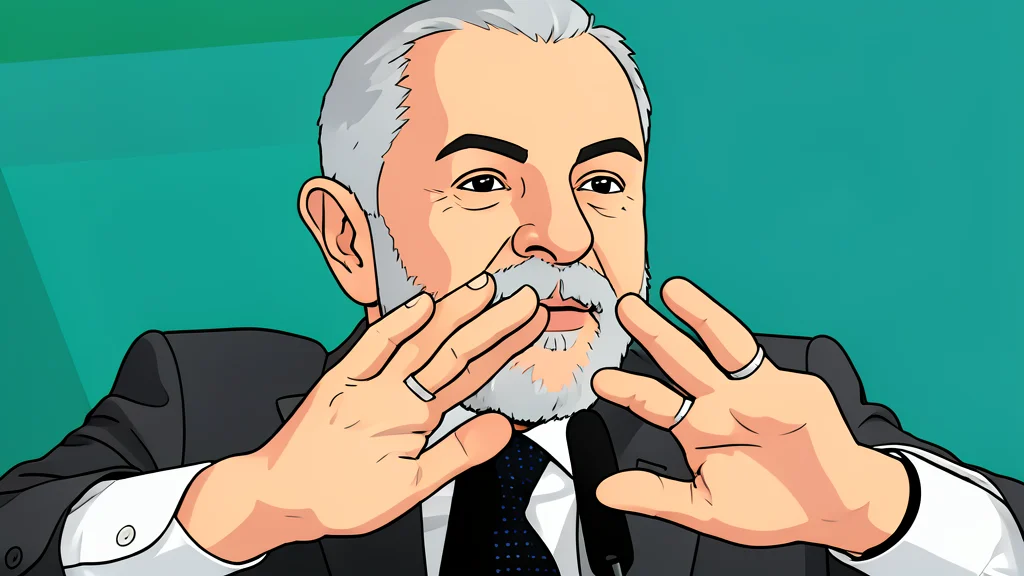
Brazil’s president has issued a direct warning to Washington regarding electoral sovereignty, setting the stage for a high-stakes diplomatic encounter at the United Nations just days before a tightly contested national election.
Brazilian President Luiz Inácio Lula da Silva has positioned himself for a direct diplomatic confrontation with U.S. President Donald Trump during the upcoming United Nations General Assembly. Speaking from a political rally in the Federal District, Lula indicated that he intends to use his address in New York to reiterate that Brazil’s electoral process is a matter of sovereign independence, off-limits to external influence. This statement marks a significant escalation in the already strained relations between Brasília and Washington, occurring just two weeks before Brazil heads to the polls on October 4.
The tension stems from a series of trade measures introduced by the White House, which Brazilian officials characterize as politically motivated retaliation. According to reports from the GN auto geopolitics/global desk, these tariffs were imposed in connection with the judicial proceedings against former President Jair Bolsonaro. As the leaders prepare to meet on the global stage, the dispute highlights deepening divisions over the role of economic pressure in influencing democratic outcomes in South America.
Escalating Trade Pressures
The diplomatic crisis has intensified following a steady increase in trade barriers. In 2025, the U.S. administration introduced initial tariffs on Brazilian goods, a move that Brasília linked to the legal challenges facing Bolsonaro, who was convicted in an attempted coup case. The situation worsened in July 2026 when additional substantial tariffs were applied to key Brazilian exports. Brazilian officials have denounced these measures as an attempt to alter the political landscape ahead of the election, specifically aiming to boost the standing of right-wing candidate Flávio Bolsonaro.
This economic friction has transformed what was traditionally a multilateral gathering into a potential bilateral showdown. While Brazilian diplomat Carlos Bicalho Cozendey stated that no specific bilateral meeting is currently scheduled, the likelihood of an informal encounter in the UN corridors remains high. The presence of both leaders in New York ensures that the trade dispute will be a central topic, with Lula expected to defend Brazil’s economic autonomy against what he views as coercive tactics.
A Razor-Thin Electoral Race
The upcoming vote is shaping up to be one of the closest in recent Brazilian history. With over 156 million voters expected to participate, the race between Lula and Flávio Bolsonaro is described by major polling firms as a virtual tie or a contest decided by razor-thin margins. This stands in contrast to the 2022 runoff, where Lula defeated Jair Bolsonaro by a narrow 1.8 percentage point margin. The current tightness of the race amplifies the sensitivity of any perceived external interference, as even minor shifts in public opinion could determine the outcome for South America’s largest economy.
Political analysts note that the confrontation reflects a broader historical pattern of external influence in the region. The current dispute underscores the impact of U.S. strategic decisions on the daily economic realities of workers across Latin America. Lula’s rhetoric is designed to resonate with a population that is increasingly weary of feeling like a pawn in the geopolitical struggles of superpowers, framing the election as a defense of democratic integrity against outside pressure.
Watch the UN General Assembly
The coming weeks will be critical in determining whether the trade dispute remains a background issue or becomes the defining feature of the campaign. Observers should watch for any direct exchanges between Lula and Trump during the General Assembly, as well as any further announcements from Brasília regarding retaliatory trade measures. The reaction of the Brazilian public to these diplomatic developments will likely influence voter sentiment in the final days before the October 4 election.