Ethiopia Weighs Strategic Shift on Somaliland Recognition
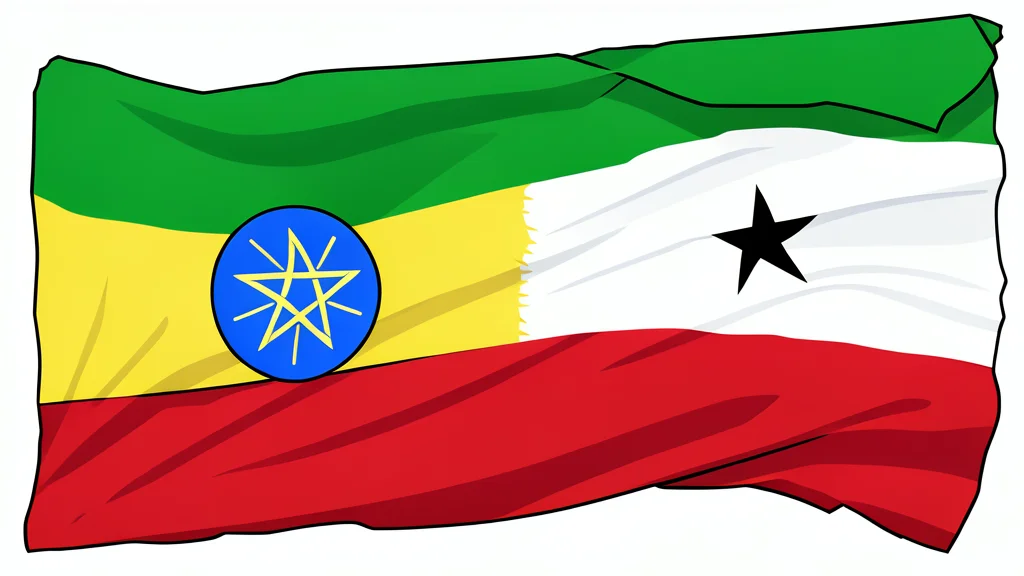
As regional dynamics evolve, Addis Ababa faces a critical decision regarding its diplomatic stance toward the self-declared state of Somaliland.
Ethiopia is currently navigating a complex diplomatic landscape concerning its relationship with Somaliland. While the two entities have shared deep historical and geographic ties for generations, Addis Ababa has maintained a cautious approach to the issue of international recognition. Recent developments in the Horn of Africa, however, are challenging this traditional restraint and prompting a re-evaluation of Ethiopia's strategic posture.
According to analysis from GN auto geopolitics/africa: Horn of Africa, the window for Ethiopian leadership in this matter is shifting. With other global actors moving to formalize their relationships with the territory, there is a growing sense that the strategic circumstances are changing rapidly. This creates a distinct fork in the road for Ethiopian policymakers who must decide whether to continue waiting or to assert their influence on the region's future.
Historical Diplomatic Precedents
Diplomatic circles often reference a position attributed to former Prime Minister Meles Zenawi. According to accounts from that era, Zenawi indicated that Ethiopia would not be the first to recognize Somaliland but would follow closely behind. This stance was likely a strategic calculation aimed at avoiding the regional repercussions of taking the initial step. However, observers note that the geopolitical environment has shifted significantly since then.
The recent decision by Israel to recognize Somaliland has altered the calculus for many nations. Whether one agrees with the political implications of that move, it signals a changing international environment. For Ethiopia, this raises the question of whether the conditions have now aligned to fulfill the strategic logic of that earlier historical promise, effectively making the 'second mover' strategy more viable than before.
Economic Necessity for Landlocked Ethiopia
Beyond diplomatic symbolism, the relationship carries profound economic weight. As one of Africa's most populous landlocked nations, Ethiopia relies heavily on reliable access to maritime trade routes. The port of Berbera and its associated infrastructure offer a vital alternative corridor to international markets. The development of this corridor has already strengthened economic links, making stability with Somaliland a matter of direct national interest rather than merely a diplomatic preference.
A stable and cooperative partner in Somaliland could provide Ethiopia with a resilient maritime lifeline. Conversely, hesitation risks weakening a relationship that is essential for economic development. This interdependence suggests that the benefits of deepening ties far outweigh the risks of maintaining the status quo, particularly as regional dynamics continue to evolve.
Regional Strategic Implications
The decision ultimately rests with Prime Minister Abiy Ahmed. The choice involves determining whether Ethiopia will remain a passive observer or become a leading actor in shaping the Horn of Africa's trajectory. This is not simply a matter of Somali internal politics; it is a broader strategic issue that impacts Ethiopia's security and economic sovereignty.
Looking ahead, the international community will be watching closely to see if Ethiopia moves to strengthen this partnership. The coming months may reveal whether Addis Ababa chooses to capitalize on this historic opportunity or continues to wait, potentially ceding influence to other nations already engaging with the region.