Brics Delhi Summit Balances Unity Against Deepening Divisions
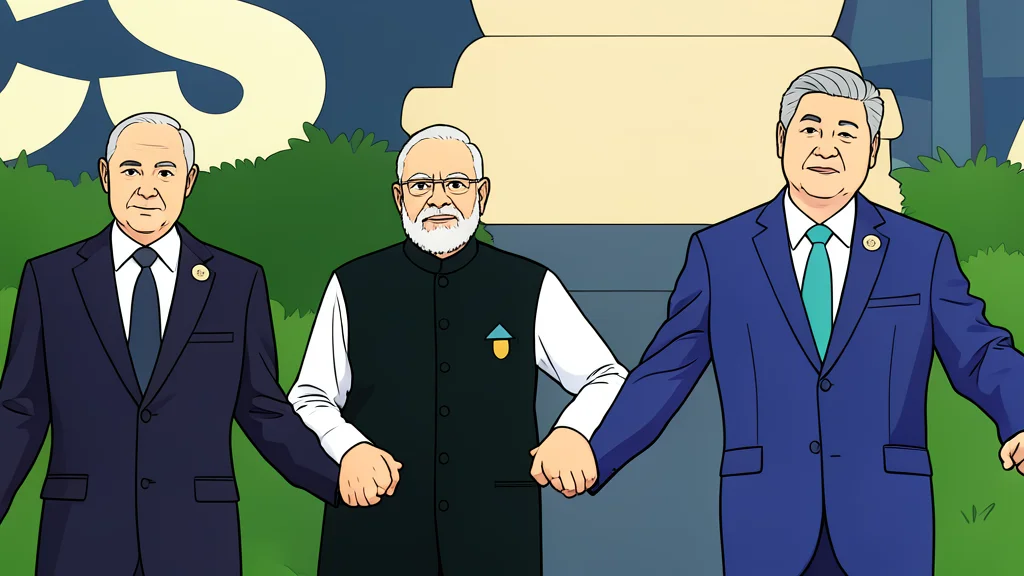
Leaders in Delhi navigated complex geopolitical rifts to issue a cautious joint declaration, prioritizing strategic autonomy over a unified front against Western powers.
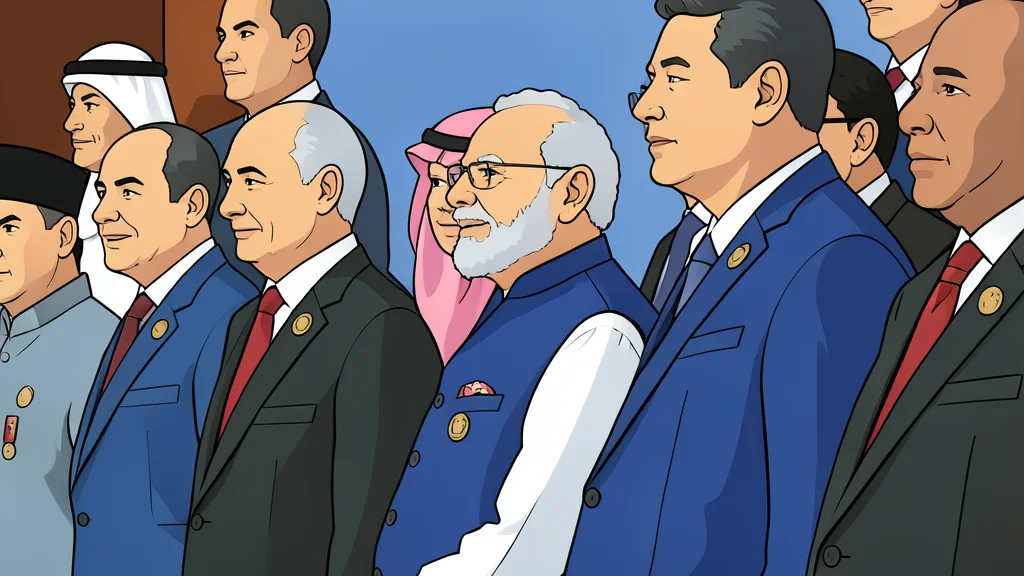
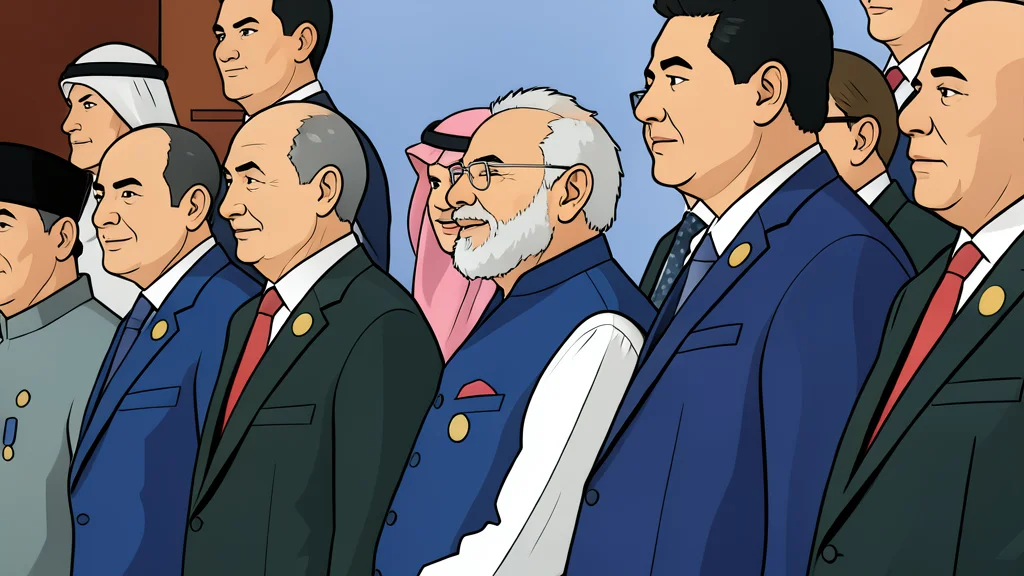
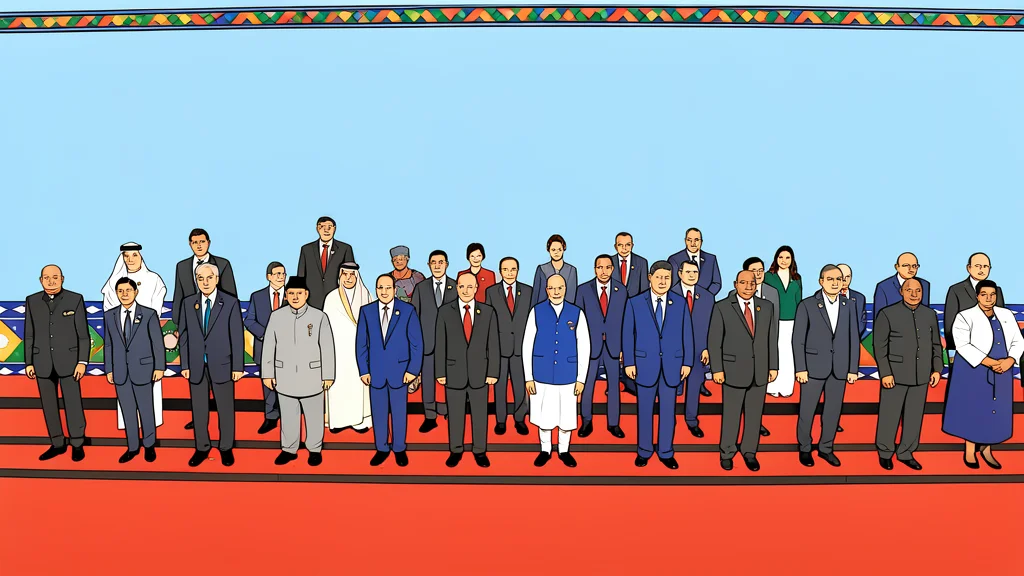
In a rare assembly of global powers, leaders from the Brics grouping convened in Delhi this weekend to navigate the shifting tectonic plates of international relations. The gathering, hosted by Indian Prime Minister Narendra Modi, brought together figures who are not natural allies, including Chinese President Xi Jinping, Russian President Vladimir Putin, and Iran's President Masoud Pezeshkian. The central theme of the summit was a call for these nations to transition from passive participants in global rules to active shapers of the international order, a stance designed to assert greater autonomy in an era defined by conflict.
However, the unity displayed at the table masked significant underlying fractures. The recent war in the Middle East has placed Iran and the United Arab Emirates on opposing sides, with Tehran launching attacks against its fellow Brics member. Additionally, India and China remain sensitive to past border clashes. According to reports from GN geopolitics/border, the fact that India could facilitate face-to-face dialogue among these disparate leaders stands as a testament to its diplomatic reach, even as the group struggles to define a coherent collective identity.
India's Strategic Autonomy Approach
New Delhi has consistently resisted the framing of Brics as an anti-Western bloc, a distinction that has been crucial in maintaining its broad diplomatic relationships. Prime Minister Modi emphasized that the group is not against any specific nation, a position supported by veteran Indian diplomat Anil Trigunayat. He described the summit's outcome as a push for strategic autonomy rather than a confrontation with the United States or Europe. This careful positioning allows India to engage with both Western and non-Western powers without committing to a rigid geopolitical alignment that could jeopardize its economic interests.
This approach reflects a broader strategy of preserving flexibility. By avoiding explicit opposition to Western policies, India aims to keep channels of dialogue open while simultaneously deepening cooperation with other Brics members on issues where consensus is easier to achieve. The goal is to enhance collaboration among member states without forcing them into a confrontational posture that might isolate them from key trading partners and security alliances. This nuanced stance has been a defining feature of India's foreign policy in recent years, allowing it to act as a bridge between different global power centers.
Cautious Language in Joint Declaration
The adoption of the New Delhi Declaration marked a significant diplomatic achievement, as earlier ministerial meetings this year had failed to produce a joint statement. However, the document's content reveals the limits of consensus. While it condemns attacks on civilian infrastructure and peaceful nuclear facilities in the Middle East, it assigns no specific blame and urges maximum restraint. The declaration also reiterates support for a two-state solution in the Palestinian conflict, carefully framing its language around existing United Nations resolutions to avoid alienating any party.
Notably, the declaration makes no mention of Russia's war in Ukraine, a stark departure from previous Brics documents. This omission highlights the divergent interests within the group, as some members are deeply involved in the conflict while others maintain diplomatic ties with all parties involved. Praveen Donthi, a senior analyst at the International Crisis Group, noted that the careful phrasing, which avoids naming specific countries in its condemnation of conflicts, bears the hallmark of India's diplomatic style. This approach allows the group to issue a statement without triggering immediate backlash from any single major power.
Trade Tensions and Sanctions
The summit also addressed economic issues, specifically regarding trade and sanctions. The New Delhi Declaration lists concerns over indiscriminate rising tariffs and condemns unilateral sanctions, though it stops short of naming the United States directly. This cautious language is likely a deliberate attempt to avoid provoking Washington, which has previously criticized Brics proposals, including the potential linkage of central-bank digital currencies for cross-border trade, as anti-American. Several Brics members are keen to avoid drawing the ire of President Donald Trump, whose trade policies have already created significant friction in global markets.
Despite the cautious tone, the inclusion of strong references to tariffs was seen by some analysts as a signal of India's displeasure with current trade practices. The group is looking for ways to enhance its own economic collaboration and reduce dependence on Western financial systems, but it is doing so in a manner that minimizes the risk of immediate retaliation. This balance between asserting economic independence and maintaining diplomatic relations with the West remains a central challenge for the Brics grouping as it moves forward.