Modi and Xi Seek Pragmatic Stability Amid Lingering Border Tensions
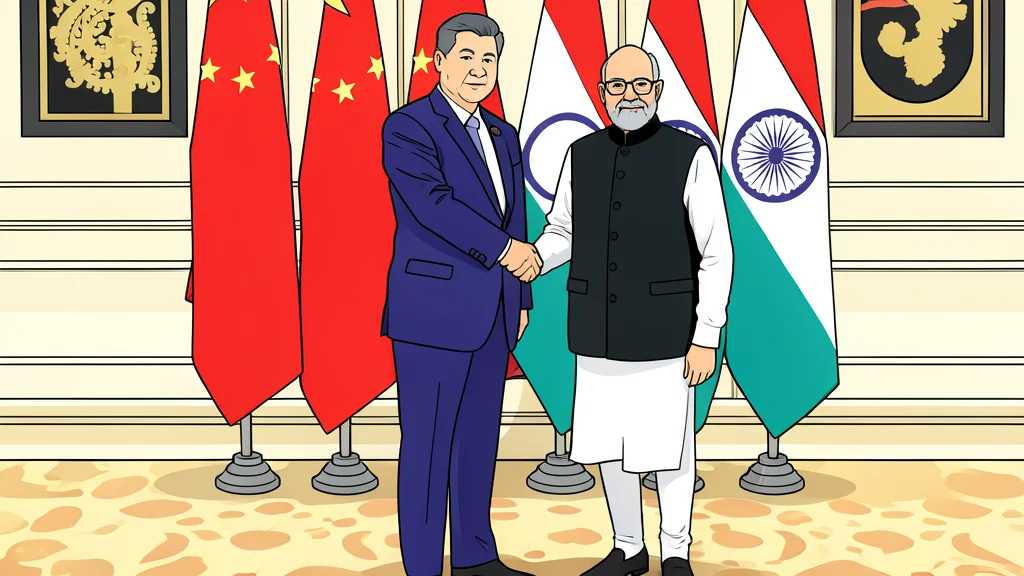
A brief handshake in New Delhi signals a cautious thaw, yet deep-seated mistrust and ongoing territorial disputes continue to define the complex dynamic between India and China.
The twenty-second handshake between Prime Minister Narendra Modi and President Xi Jinping in New Delhi has become a focal point of geopolitical analysis, symbolizing a tentative shift in a relationship long defined by caution. As reported by GN geopolitics/border, this physical gesture accompanied a bilateral meeting that both governments have characterized as a step toward a more strategic and long-term perspective on their ties. The encounter marked Xi’s first visit to India in nearly seven years, offering a rare moment of visible warmth in a diplomatic landscape that has remained largely frosty since 2020.
While the public statements from both New Delhi and Beijing emphasize the need to cherish the current détente, the underlying structural challenges remain unresolved. The summit concluded with commitments to resume border talks and enhance people-to-people connectivity, yet analysts note that these diplomatic gestures exist alongside persistent friction points. The relationship is currently navigating a delicate balance between pragmatic economic engagement and deep-seated security concerns that have lingered since the brief conflict in 1962.
Diplomatic gestures meet persistent friction
Since 2024, both nations have attempted to rebuild the institutional framework of their relationship after the fatal border clash in the Himalayas sent ties into a deep freeze. According to official readouts, the leaders agreed that peace and tranquility in border areas are essential for the continued development of bilateral relations. India has eased some restrictions on Chinese investment, and direct flights have resumed, signaling a desire to restore economic and social links.
However, this effort at a reset is fraught with contradictions. Recent reports indicate that India declined to approve a proposal by Alipay to integrate with its digital payment system, citing national security concerns. Simultaneously, satellite imagery reviewed by media outlets suggested continued Chinese activity in contested territory in Arunachal Pradesh. These incidents demonstrate that while the political will for dialogue exists, the operational reality on the ground and in digital infrastructure remains contentious.
Expert views on sustained dialogue
Scholars argue that the primary function of recent high-level meetings is to prevent the relationship from flaring up again, rather than to resolve fundamental disagreements. Alka Acharya, director of the Institute of Chinese Studies in Delhi, noted that leadership commitment is crucial for conveying to lower levels of government that the relationship is important to both sides. This top-down approach aims to manage rivalry while exploring economic opportunities that may benefit the wider developing world.
Dylan Loh, an associate professor at Nanyang Technological University, characterized the meetings as a step toward pragmatic stability. The consensus among experts is that institutionalized cooperation is necessary to manage the complex interplay of trade concerns and security imperatives. By maintaining a channel of communication, both sides hope to avoid miscalculations that could derail the cautious progress made during the summit.
Watch for border and trade signals
The coming months will likely test the durability of the optimism generated in New Delhi. Observers should monitor the progress of resumed border talks and any further adjustments in investment policies. Additionally, the extent to which digital and economic connectivity expands without significant security pushback will serve as a key indicator of whether this diplomatic thaw translates into substantive cooperation or remains a temporary pause in a long-standing rivalry.