Former Gambian Death Squad Leader Faces Military Trial

Sanna Manjang, the former head of the Junglers, appeared in court in Banjul to face desertion charges following the collapse of his murder case.
Key points
- Sanna Manjang, former leader of the Junglers, faces desertion charges in a military court in Banjul.
- Four murder counts against Manjang were dropped in July due to difficulties in summoning witnesses.
- The Truth, Reconciliation and Reparations Commission found that 240 to 250 people were killed under Jammeh's rule.
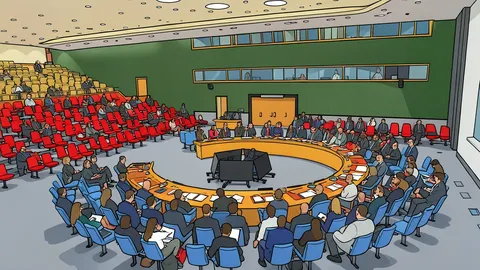
Sanna Manjang, the former commander of the Gambian paramilitary unit known as the "Junglers," has appeared in a military court in the capital, Banjul. According to Al Jazeera English, he faces charges of desertion after fleeing the country in 2017 following the end of Yahya Jammeh’s two-decade rule.
Manjang is accused of leaving the armed forces for a continuous period of nine years with the specific intent to desert. He was arrested in Senegal last November and repatriated to The Gambia in December. This legal proceeding marks a renewed official effort to pursue accountability for abuses committed during Jammeh’s tenure, coming shortly after significant hurdles in a separate criminal case.
Challenges in Prosecuting Historical Abuses
The current trial follows the dismissal of four murder counts against Manjang in July. Prosecutors reportedly struggled to secure testimony from witnesses, some of whom were alleged members of the death squad itself. The dropped charges included the 2004 killing of journalist Deyda Hydara and the decapitation of another victim.
Despite the collapse of the murder case, Manjang remains in custody for other proceedings. He is currently facing separate charges for the assault of two men, a trial that is ongoing. The shift from high-profile homicide accusations to desertion and assault reflects the practical difficulties authorities face in constructing viable cases for events that occurred more than a decade ago.
Context of the Junglers Unit
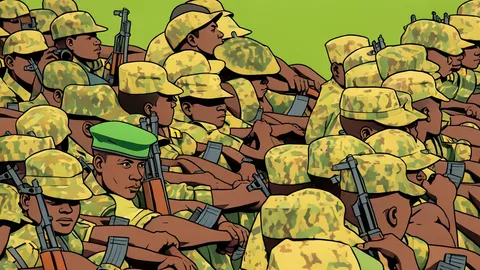
The Junglers operated as a paramilitary force largely independent from the regular Gambian army. According to United Nations findings, the group was responsible for widespread extrajudicial killings, torture, and kidnappings. The Truth, Reconciliation and Reparations Commission later determined that the state was responsible for the deaths of between 240 and 250 individuals during Jammeh’s rule.
Following Adama Barrow’s victory in the 2016 election, Jammeh was forced into exile. Since then, several of his associates have faced justice in various jurisdictions, including Germany, Switzerland, and the United States. Manjang’s case thus fits into a broader, though fragmented, pattern of international and domestic attempts to address the legacy of the previous regime.
Outlook for Future Accountability Measures
Observers will now watch how the military court proceeds with the desertion charge and the concurrent assault trial. These proceedings test the capacity of The Gambia’s judicial system to handle complex cases involving former security officials. The outcome may influence strategies for pursuing remaining suspects in similar historical cases.
The situation raises questions about the sustainability of accountability efforts in a post-conflict environment. As the legal process continues, the focus remains on whether these trials can deliver meaningful justice for victims and their families, or if they will remain limited by evidentiary and logistical constraints.